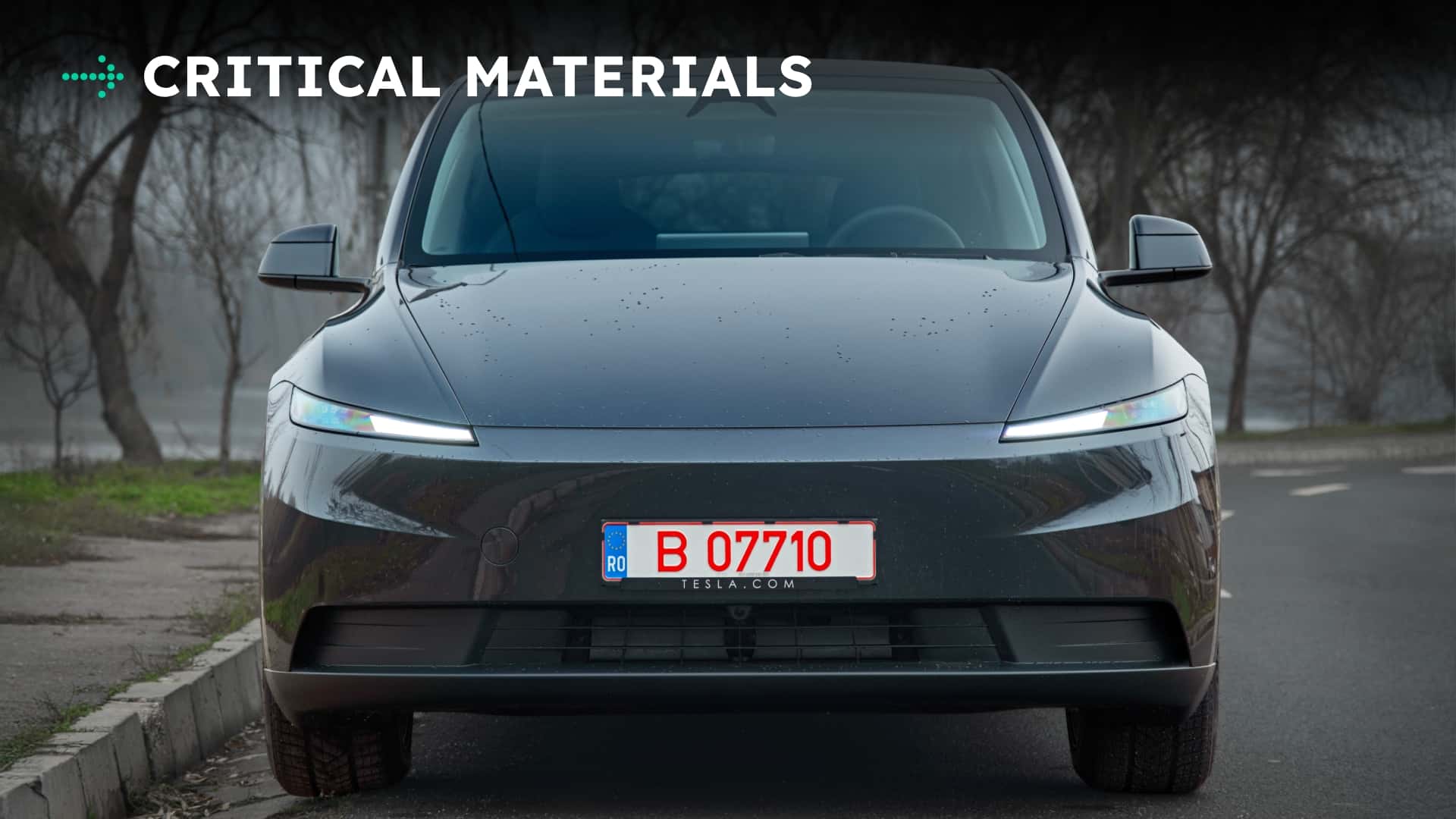
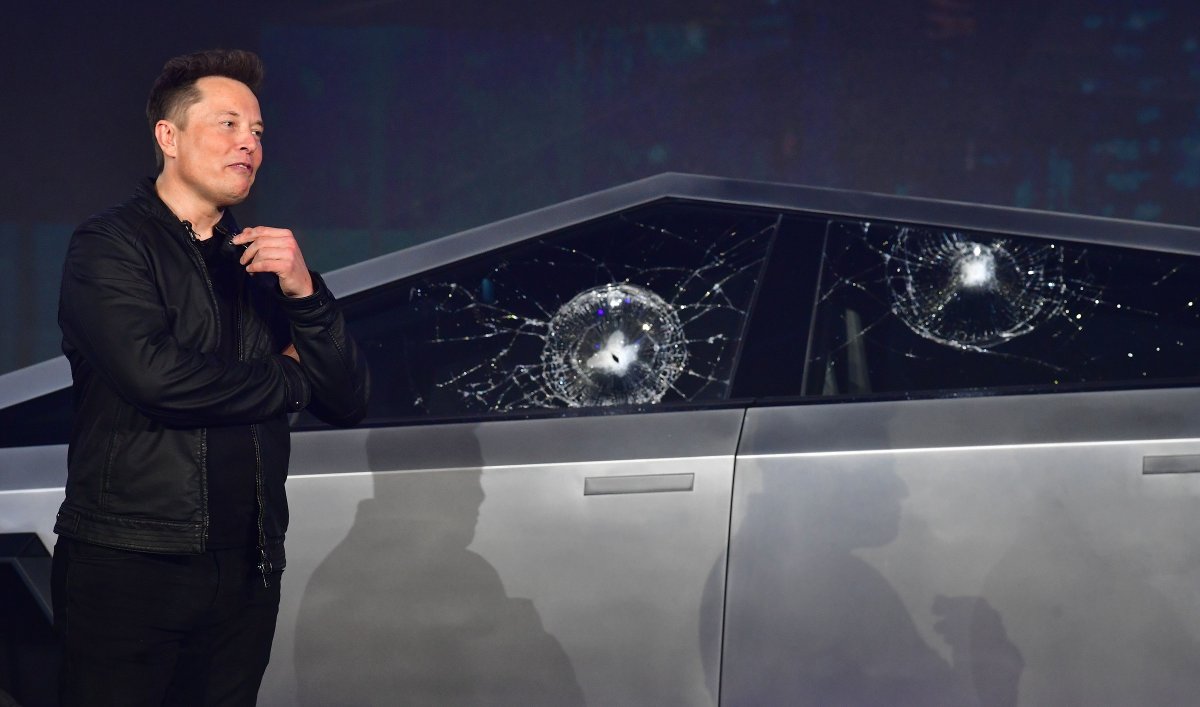
For many automakers selling electric vehicles in the U.S. this year, the fourth quarter was not a reason for celebration. Tesla's vehicle deliveries were down 16% compared to the fourth quarter of 2024. Rivian's overall sales for the year were also down compared to 2024. For the U.S. market, it isn't hard to find a culprit for this: the Trump administration's decision to end the federal tax credits for EVs.
Rivian delivered 42,247 vehicles in 2025, a drop from 51,579 the year prior. The startup automaker took a sharp hit in the fourth quarter, as electric-vehicle tax credits came to an end. Rivian is now hanging its future on the more affordable R2, due out this year, as well as improvements to its autonomous driving platform and a technical partnership with Volkswagen.
Both J.D. Power and S&P Global Mobility estimate that October's EV market share plummeted to around 5% in the U.S., from a record high of over 12% in September. The battery-powered share of sales also dropped significantly on a year-over-year basis, from over 8% in October 2024. The last time EVs made up 5% of U.S. vehicle sales was in early 2022. According to S&P Global Mobility, some 64,000 new electric vehicles were sold in October.