Environment
fromTruthout
1 day agoTrump's Loyalty to Fossil Fuel Companies Is Driving Up Inflation
Transitioning off fossil fuels would improve health and reduce costs for people and wallets.
Obviously, President Trump's two moves ahead of his critics as always, nothing short of aspiration for peace in the Middle East. I mean, who on a Saturday afternoon over a holiday weekend can pull together all the world leaders from the Gulf State allies but also Egypt, Pakistan, Turkey get 'em all in a phone call, and paint a vision, which again, is peace and prosperity in the Middle East, which some people thought never could be achieved. But he's put all the conditions in place for this to come together, and this is gonna be great for not just for the United States but for the world economy and for peace and prosperity around the world.
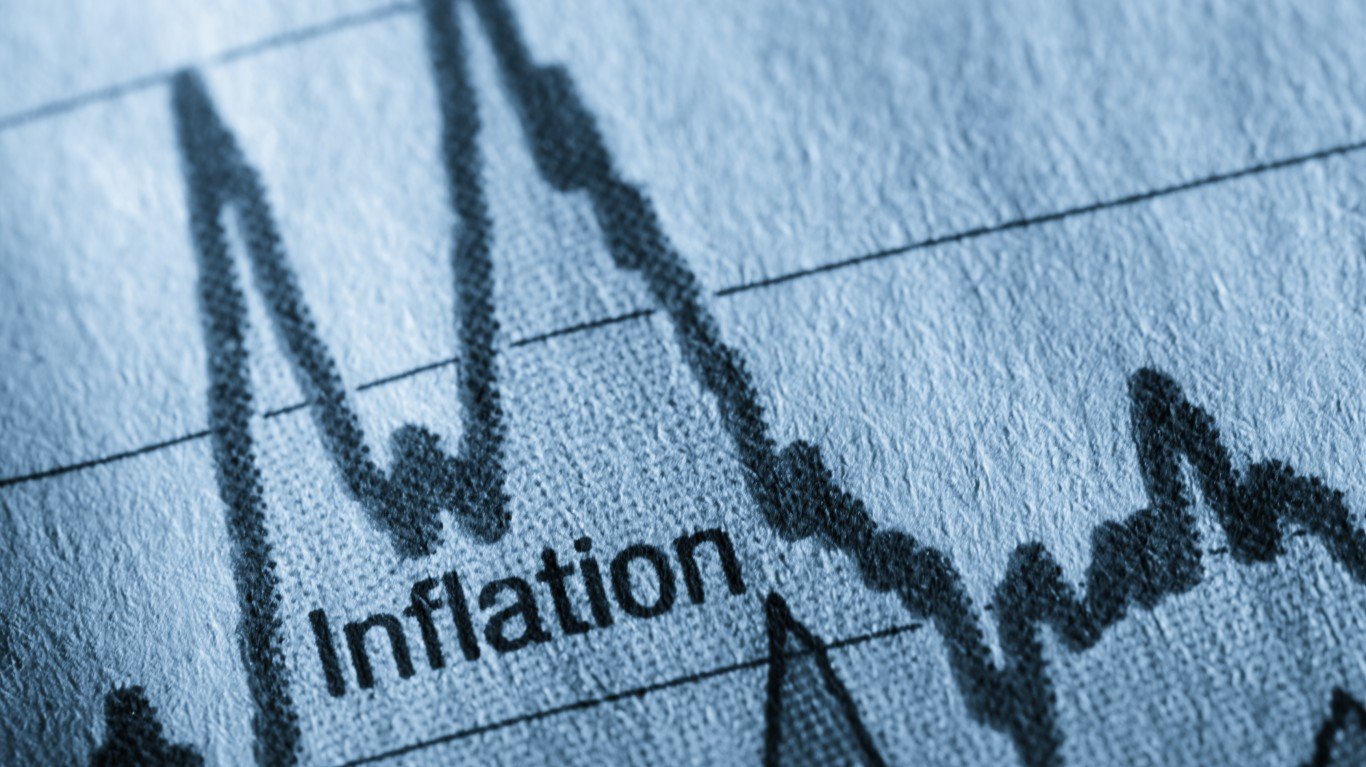
In addition to the overall index falling for the third straight month to a fresh record low-even undercutting the levels seen during the 1970s oil crisis-inflation expectations rose as the Iran war and the continued closure of the Strait of Hormuz keep energy prices high.
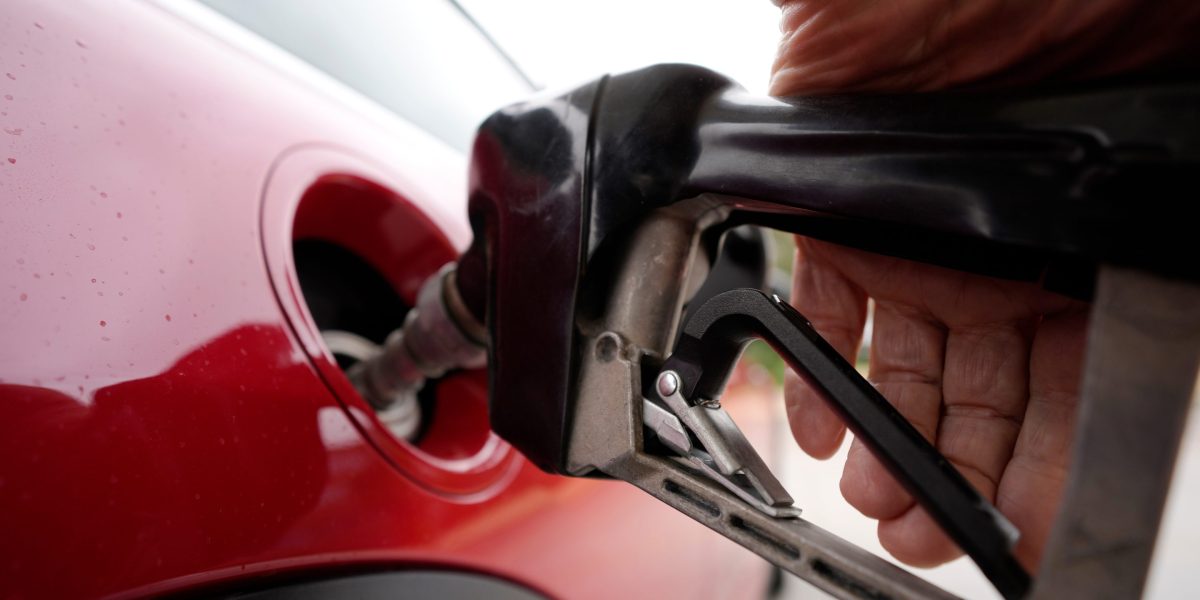
Canada's annual inflation rate rose to 2.8 per cent in April, Statistics Canada said on Tuesday, due to high energy prices especially gasoline. The rise comes after high energy prices drove the inflation rate to 2.4 per cent in March.
“Your request that 'the federal government should give a $5,000 tax rebate for all new electric car purchases' means that the federal government must take that money out of the pockets of hardworking people who may not have the means to buy an electric vehicle in the first place,” Foxx seethed in the letter, posted on social media by the boy's mother.
“I cannot charge truck drivers and laborers more per plate,” Verma told DW, wiping down steel tables after the lunch rush. “If prices go up too much, they stop eating here. So, I absorb the loss. 'till I can't.”
Fianna Fáil has an "exciting fut­ure" ahead of it, but only if the party realises "that we're not there for ourselves", Micheál Martin has said, days out from marking its centenary.
America's employers a delivered a surprising 115,000 new jobs last month despite an economic shock from the Iran war. Hiring was better than the 65,000 forecasters had expected, though it decelerated from the 185,000 jobs created in March. The unemployment rate remained at a low 4.3%.
Consumers are singing the blues. They aren't happy with high prices for gas, housing, electricity and many other items. It's clear consumers aren't going to feel much better until there's an end to the Middle East conflict.