Picture this: a lamp that literally grows before your eyes, expanding and glowing brighter as you pump air into it like you're inflating a bicycle tire. It sounds like something out of a science fiction movie, but it's very real, and it's called Blow. Designer Jung Kiryeon has created something that makes you rethink what a lamp can be, and honestly, it's kind of mesmerizing.
Emotional design isn't just about making something look pretty but about crafting an experience that elicits a specific emotional response. Think about products you love, perhaps a sleek coffee maker that brings joy to your morning ritual, or a comfortable chair that offers a sense of calm after a long day. This isn't accidental but is the deliberate result of designers considering how the product will make you feel.
If you haven't seen them yet, OpenAI's launched new ad campaign of short 30 seconds videos that embed AI into an idealised, warmly analog, version of the past. They're quite visually pleasing, to be honest, with a slight VHS grain and muted colours, and depict very relatable everyday scenarios like wanting to impress a girl or getting fitter. They lean hard on 80s soundtracks and cheesy movie vibes.
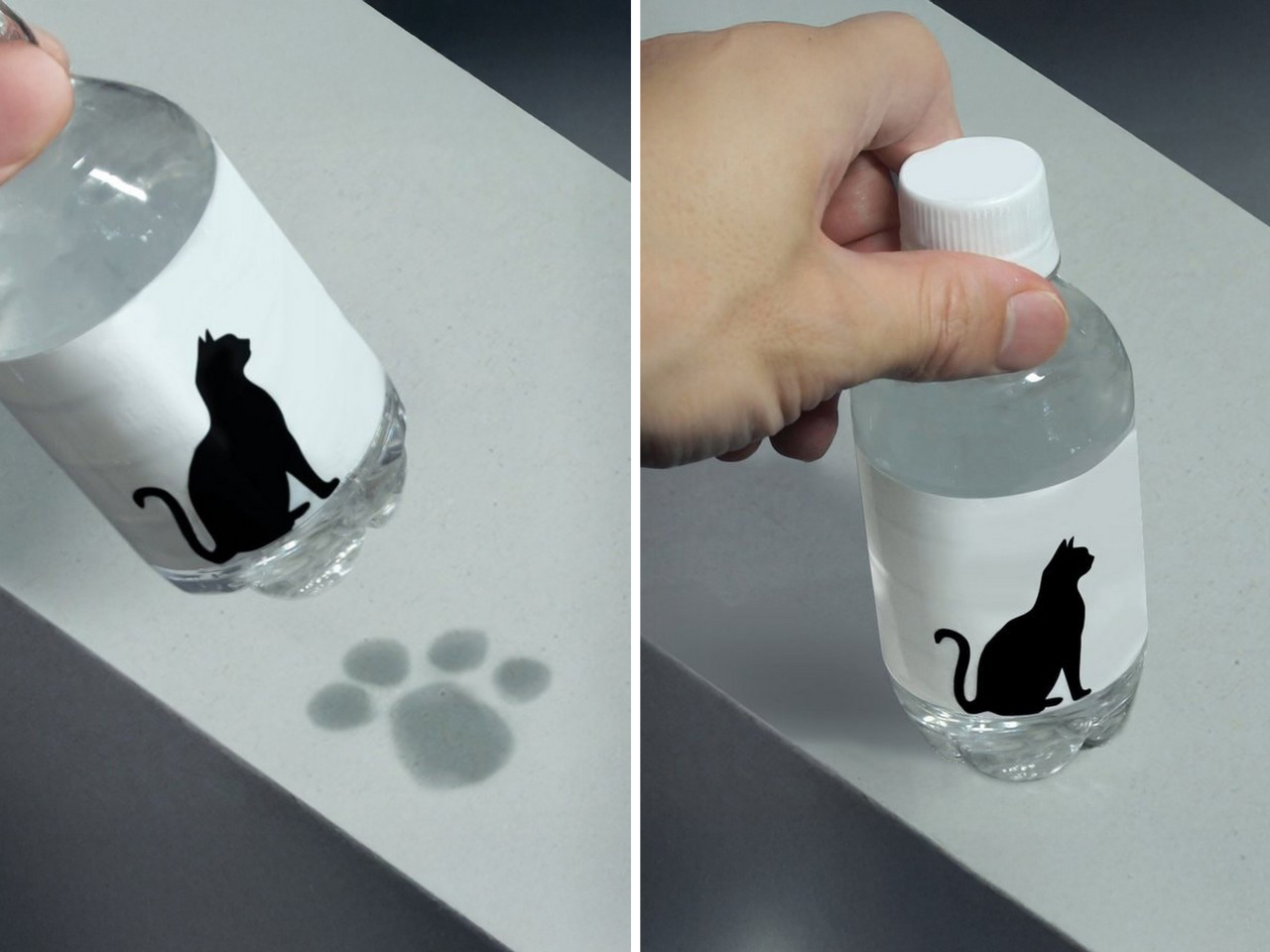
Most bottles, cups, glasses, or mugs have a tendency to leave a ring of water/liquid condensate if kept on a surface. It's why we use coasters or table mats, so these rings don't destroy our furniture or leave stains. Except, Michiru's bottle was designed to make those 'stains' desirable. Unlike most bottles that leave rings of water or florets (especially the carbonated bottles), Michiru's Pet Paw Bottle leaves pawprints.
The shift from performance to presence is a design challenge, and solving it will be key to building emotional trust with AI. This means designing intuitive interfaces that interpret emotional cues.
The "Hug Me" Chair embodies three decades of Steel-Land’s journey, transforming resilient storytelling into design, while inviting emotional and physical comfort through its embrace-like form.