E-Commerce
fromEntrepreneur
1 week agoWhy Discounts Are No Longer Optional For Your Business
Discounts have become essential in the LLC services market, influencing customer decisions and competitive strategies.
For many Chipotle connoisseurs, hacking the system is as much a part of the appeal as any of the specific toppings and flavors. The hacks come and go, but one old standby is pretty simple: ask for your protein on the side instead of directly on the burrito, bowl, or salad. Fans claim the side portion can end up weighing more than a standard scoop dropped onto rice and beans, meaning more meat for the same price.
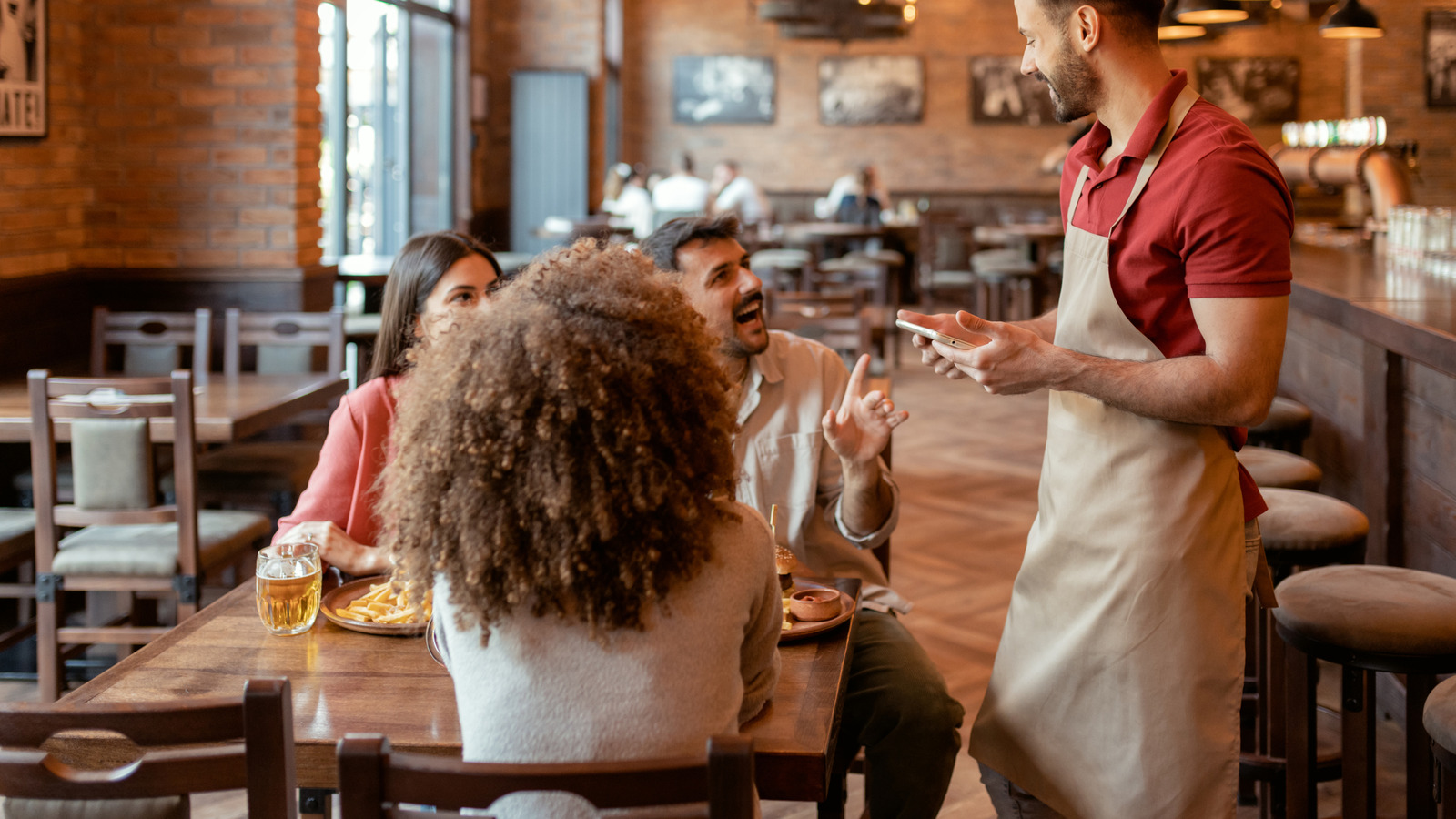
Picture this: a couple walks into a restaurant on a Friday night. They glance around, choose their table, and settle into their seats. Before they've even opened their menus, their server already has a pretty good idea whether they'll leave 10% or 25%. It sounds like mind reading, but after talking with dozens of servers over the years, I've learned it's more like pattern recognition honed by thousands of interactions.
There are a variety of reasons why companies take the rebrand plunge, but one thing is certain - they feel the action is worth the risk. The consumer market is so highly competitive that brands often need to take drastic measures to stay relevant. For many companies it can take a massive overhaul to fuel a brand enough to push through the masses and stay top of mind for consumers.
Marketers frequently champion the idea of "customer loyalty." However, much of what is labeled as "loyalty" may not be authentic. For years, brands have patted themselves on the back for retention numbers that look impressive on dashboards. But the truth is far more uncomfortable. A large portion of what we call "loyalty" is simply inertia disguised as affection. Customers aren't staying because they love us. Many are staying because leaving feels like a chore.
In-N-Out has reportedly kicked 67 out of its order system. According to a report from People Magazine, it removed the number because of the viral 6-7 trend. The fast food chain says kids and teenagers would wait around just to hear it called, and then jump into unruly 6-7 celebrations. Employees confirmed the number hasn't been used for orders for about a month. So now, the order system jumps from 66 straight to 68.
Within hours of opening, the wheels started coming off the wagon. The kitchen couldn't handle the volume of hundreds of guests being seated all at once. Aggrieved parties stormed out in the middle of their meals after waiting 45 minutes in between courses. Babies cried. Managers were summoned. Most guests left feeling cheated - like we'd ruined their holiday. I suspect that none of them realized (or cared), but they had also ruined mine.
Olive Garden, which has traditionally seen success from its annual unlimited pasta promotion, recently noticed the opposite trend: Some customers actually wanted less food. Last quarter, the restaurant chain tested a new menu section at a little less than half of its locations: smaller portions, along with reduced prices, for seven of its dinner entrees. The trial was designed to appeal to cash-conscious customers, who've been cutting eating out from their budgets, hurting restaurants' profits.
We're here to talk about a dreaded four-letter word in the industry: Yelp. You don't need me to tell us how annoying, cruel, and occasionally inaccurate that review platform can be, but you also can't deny that Yelp's influence is everywhere today, echoed in platforms like Resy, Beli, or Google Maps. This year, Eater has been celebrating its 20th birthday by looking back on the last two decades, and we'd be remiss to talk about them without mentioning the app, born a year before Eater, that you love to hate.
Agencies are being rocked by the rise of AI. The solution? Bring on more humans. No, seriously. On Tuesday, digital agency Incubeta announced its acquisition of RocketSource, a consultancy that helps advertisers understand what drives customer behavior using data science and predictive analytics. The price of the deal was not disclosed. The traditional agency business model is falling apart, according to Alex Langshur, CEO of Incubeta in the Americas, because its cost structure is being "obliterated" by AI.
"I was a sous chef for 17 years. My last job was in a popular area in the Alps where we had a lunch buffet every afternoon. Once a week, it was themed, and I usually stood at the buffet and made either fresh waffles or pancakes. I had a huge setup with toppings and ice cream at one end. I was in the middle, and at the other end were the items I needed to make the food, like batter."