#cornelia-kapocs
#cornelia-kapocs
[ follow ]
#hungary #peter-magyar #viktor-orban #elections #orban #political-change #election #democracy #politics
#hungary


Europe politics
fromThe Art Newspaper - International art news and events
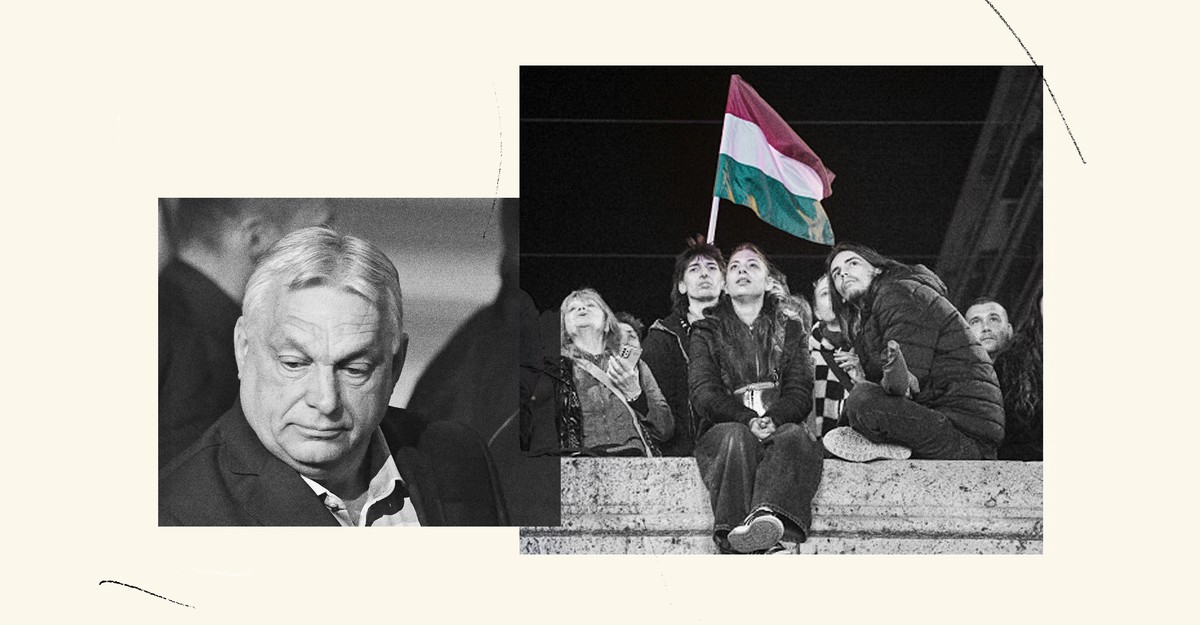
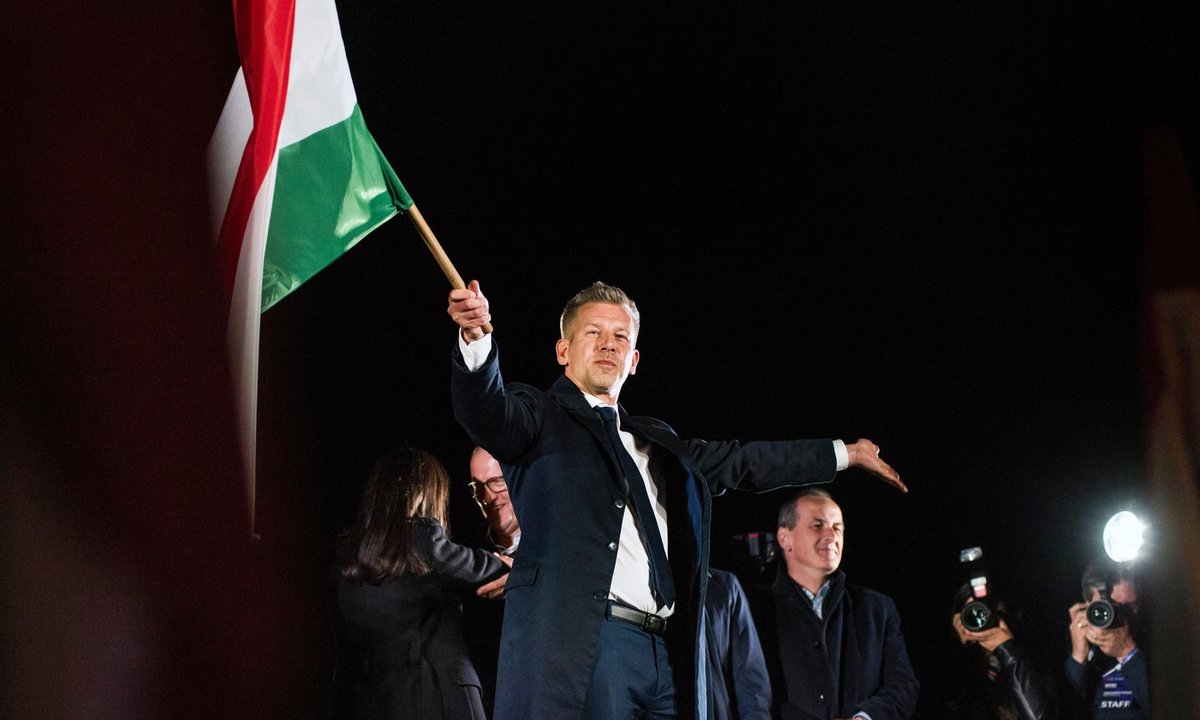
4 days ago'The extremely happy part of the crowd': Hungarian arts figures hope for change after 16 years of Orban rule
Viktor Orbán was ousted in Hungary's parliamentary election, marking a significant political shift with Péter Magyar's Tisza Party winning decisively.
fromwww.theguardian.com
3 weeks agoLazar by Nelio Biedermann review a Hungarian epic from a 22-year-old author
The opening pages introduce us to a world straight out of gothic fable. In an isolated manor house by a forbiddingly dark forest, a strange-looking baby is born. This unearthly child, Lajos, is fated to carry forward the family name of the Lazars, a noble dynasty with an alarming tendency to go mad, die violently, or both.
Books
Miscellaneous
fromenglish.elpais.com
1 month agoLaszlo Krasznahorkai, Nobel Prize laureate in Literature: My Hungary is that of language, not of hussars'
László Krasznahorkai rejects symbolic interpretation of his work, insisting his literature contains no symbols, parables, or hidden meanings despite critical attempts to decode them.
fromwww.theguardian.com
1 month agoPlay like a dog biting God's feet': Steven Isserlis on the formidable Gyorgy Kurtag at 100
I was immediately struck by his magnetic intensity, his fierce passion for music and his unique way of speaking English—punctuated by frequent utterances of er-er-er. Many years later, Kurtag was to tell me: 'Stuttering is my natural mode of expression.' He and Marta simply embodied—he still embodies—music. I had never met anyone to whom each note mattered so much.
Music
fromDefector
1 month agoYoko Tawada Is A Genius In Any Language | Defector
The best argument I can make for why I like reading fiction in translation is because it facilitates the psychedelic experience of encountering someone else's subjectivity twice over. The translator must act as a prismatic filter, faithfully attempting the impossible task of replicating someone else's experiences and ideas. To read in translation is to read two stories in harmony with each other: The one the author wants to tell and the one the translator has brought into your linguistic world.
Writing
Photography
fromThe Art Newspaper - International art news and events
1 month agoDora Maurer, 'towering figure' of the Hungarian art scene, has died aged 88
Dóra Maurer, Hungarian painter, printmaker and filmmaker, died aged 88; her work explored form, time and movement using systematic processes and influenced Central European conceptual art.
fromOpen Culture
2 months agoThe Rohonc Codex: Hungary's Mysterious Manuscript That No One Can Read
Image by Klaus Schmeh, via Wiki­me­dia Com­mons Mag­yar, which is spo­ken and writ­ten in Hun­gary, ranks among the hard­est Euro­pean lan­guages to learn. (The U.S. For­eign Ser­vice Insti­tute puts it in the sec­ond-to-high­est lev­el, accom­pa­nied by the dread­ed aster­isk label­ing it as "usu­al­ly more dif­fi­cult than oth­er lan­guages in the same cat­e­go­ry.") But once you mas­ter its vow­el har­mo­ny sys­tem, its def­i­nite and indef­i­nite con­ju­ga­tion, and its eigh­teen gram­mat­i­cal cas­es, among oth­er noto­ri­ous fea­tures, you can final­ly enjoy the work of writ­ers like Nobel Lau­re­ates Imre Kertész and Lás­zló Krasz­na­horkai in the orig­i­nal. Alas, no degree of mas­tery will be much help if you want to under­stand a much old­er - and, in its way, much more noto­ri­ous - Hun­gar­i­an text, the Rohonc Codex.
Books
[ Load more ]