#brain-computer-interface
#brain-computer-interface
[ follow ]
#neuralink #assistive-technology #paralysis #neuroscience #elon-musk #neuroprosthetics #neurotechnology #eeg
fromMail Online
3 weeks agoSecret Pentagon project to merge soldiers and machines exposed
The Defense Advanced Research Projects Agency (DARPA) quietly published a report detailing how scientists were working on a new kind of brain-computer interface that would form a direct link between military personnel and weapons of war without requiring surgery.
Science
fromTechCrunch
1 month agoMax Hodak's Science Corp. is preparing to place its first sensor in a human brain | TechCrunch
Science Corporation is embarking on human trials for a biohybrid brain-computer interface, aiming to combine lab-grown neurons with electronics. Dr. Murat Günel will lead these efforts, focusing on the surgical placement of the first sensor into a patient's brain.
Science
fromWIRED
1 month agoMeet the Man Making Music With His Brain Implant
Galen Buckwalter, a 69-year-old research psychologist and quadriplegic, participated in a brain implant study to contribute to science that aids those with paralysis. The six chips in his brain decode movement intention, allowing him to operate a computer and feel sensations in his fingers again.
Music production
fromWIRED
2 months agoChina Approves the First Brain Chips for Sale-and Has a Plan to Dominate the Industry
NEO, the implant developed by Neuracle Medical Technology, translates the thoughts of a person with paralysis into movements of an assistive robotic hand, allowing users to perform basic tasks.
Medicine
fromTNW | Health-Tech
2 months agoGestala secures $21.6M for ultrasound brain-computer interface
The company is developing non-invasive brain-computer interface technology based on focused ultrasound, a modality that Peng argues addresses one of the most persistent barriers to BCI adoption at scale: the requirement for brain surgery. Unlike electrode-based implants, ultrasound can penetrate the skull and access deep neural circuits without any incision.
Venture
European startups
fromTechCrunch
2 months agoChinese brain interface startup Gestala raises $21M just two months after launch | TechCrunch
Chinese startup Gestala raised $21.6 million for non-invasive ultrasound-based brain-computer interface technology, representing the largest early-stage BCI funding in China.
Venture
fromTechCrunch
2 months agoScience Corp raises $230M as it races to bring its brain implant to market | TechCrunch
Science Corporation raised $230 million for PRIMA, a rice-grain-sized brain-computer interface chip that restores vision to macular degeneration patients, with 80% of trial participants achieving meaningful visual improvement and reading ability.
fromPsychology Today
3 months agoAI-Decoded Brain Signals May Help Paralyzed Regain Movement
Artificial intelligence (AI) machine learning is making a difference in assistive technology to help restore movement for the paralyzed. A new study in the American Institute of Physics journal APL Bioengineering shows how AI has the potential to restore lower-limb functions in those with severe spinal cord injuries (SCIs) by identifying patterns in brain signals captured noninvasively via electroencephalography (EEG).
Artificial intelligence
fromNature
3 months agoOpenAI-backed firm to use ultrasound to read minds. Does the science stand up?
Brain implants are beginning to help people with severe disabilities to speak and even sing in near-real time. Now, a company wants to read people's minds and treat mental conditions without implanting electrodes deep into the brain by using ultrasound - high-frequency sound waves above the range of human hearing. Merge Labs, which launched last month with only a vague description of its goals, is one of many companies in a booming brain-computer interface (BCI) market.
Artificial intelligence


fromPitchfork
4 months agoPeter Gabriel Lines Up a New Year of Lunar Releases With O/I
I have been thinking about the future and how we might respond to it. We are sliding into a period of transition like no other, most likely triggered in three waves; AI, quantum computing and the brain computer interface. Artists have a role to look into the mists and, when they catch sight of something, to hold up a mirror.
Music

fromPsychology Today
4 months agoBreakthrough Brain-Computer Interface Is Minimally Invasive
An important milestone has been achieved in brain-computer interface (BCI) technology. A new peer-reviewed study published in Nature Biomedical Engineering shows how a high-performance brain-computer interface can be rapidly implanted through a minimally invasive procedure. "We have demonstrated that the entire surgical procedure for cranial micro-slit insertion, from initial skin incision to endoscope-guided array placement and final securing of the array positions, can be safely performed in under 20 minutes," wrote corresponding author Benjamin Rapoport, MD, PhD, along with his team of neuroscientists at Precision Neuroscience.
Science
fromNews Center
5 months agoWireless Device 'Speaks' to the Brain With Light - News Center
The soft, flexible device sits under the scalp but on top of the skull, where it delivers precise patterns of light through the bone to activate neurons across the cortex. In experiments, scientists used the device's tiny, patterned bursts of light to activate specific populations of neurons deep inside the brains of mouse models. (These neurons are genetically modified to respond to light.) The mice quickly learned to interpret these patterns as meaningful signals, which they could recognize and use.
Science
fromTechCrunch
5 months agoThe future will be explained to you in Palo Alto | TechCrunch
On Wednesday evening at PlayGround Global in Palo Alto, some very smart people who are building things you don't understand yet will explain what's coming. This is the final StrictlyVC event of 2025, and truly, the lineup is ridiculous. The series has bounced around the globe under the auspices of TechCrunch. Steve Case rented a theater in D.C.; we talked to Greece's prime minister in Athens; and Kirsten Green hosted us at the Presidio in San Francisco.
Silicon Valley


fromSun Sentinel
6 months agoDave Hyde: Marc Buoniconti's tragic tackle 40 years ago and the world it changed
MIAMI - I am watching a man paralyzed from the neck down lift an artificial arm by merely thinking about do so. I am watching another quadriplegic play drums thanks to similar microchip in his brain. I am listening to doctors talk of hypothermia protocol, brain-computer interface and how artificial intelligence will help change the wheelchair world. "What do you think?" a scientist asks. "This is the greatest sports story of my lifetime," I say.
Medicine
fromThe Verge
6 months agoSam Altman's next startup eyes using sound waves to read your brain
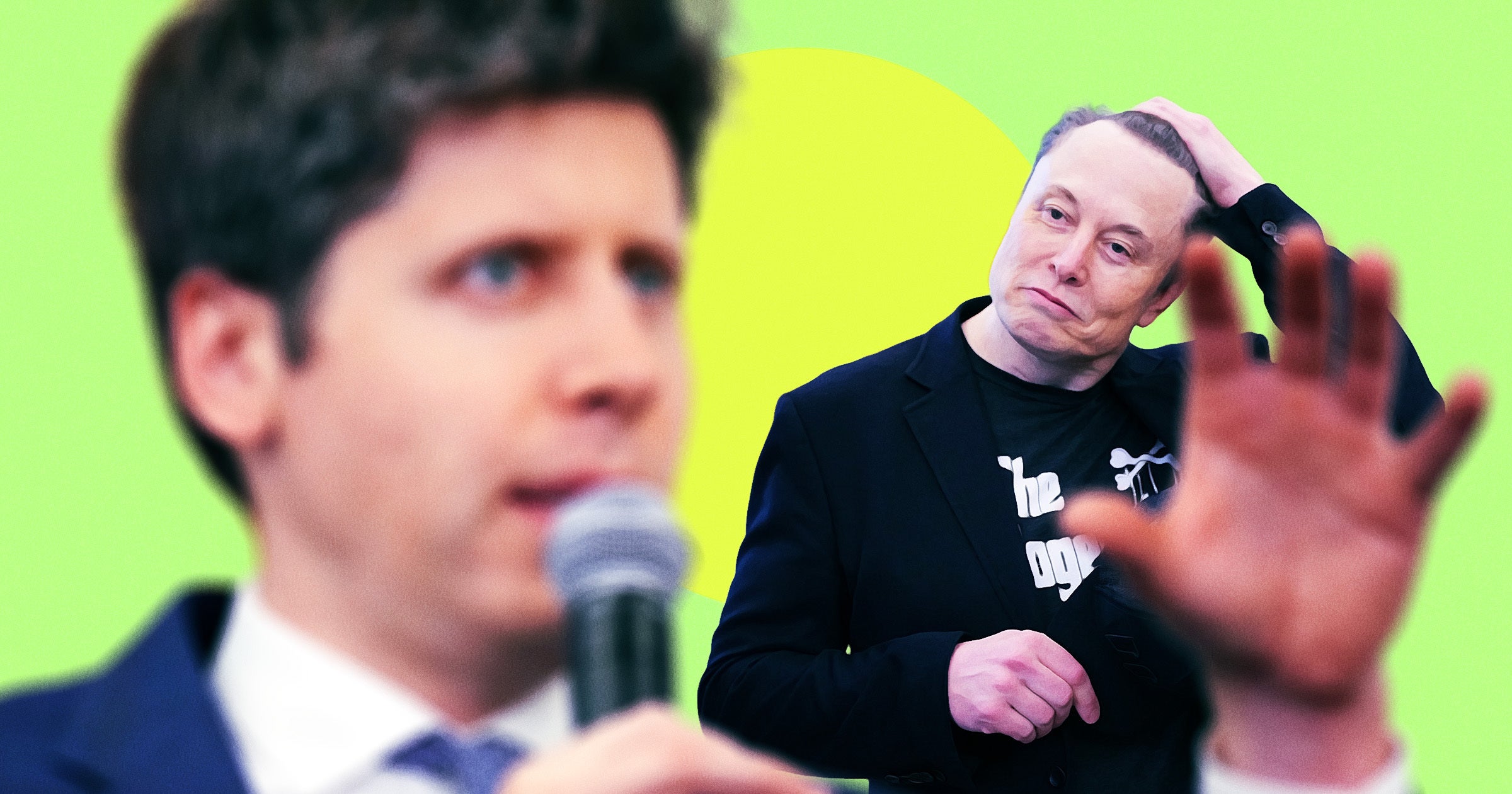
Sam Altman has tapped Mikhail Shapiro, an award-winning biomolecular engineer, to join the Merge Labs brain-computer interface startup he's set to announce soon with co-founder Alex Blania. While Shapiro's official title is unclear, sources say he will be part of Merge's founding team and has been positioned as a key leader in talks with investors. Those talks are ongoing, but Merge expects to raise hundreds of millions of dollars from OpenAI and others, as The Financial Times earlier reported.
Startup companies
fromWIRED
7 months agoThis Startup Wants to Put Its Brain-Computer Interface in the Apple Vision Pro
Now, Cognixion is bringing its AI communication app to the Vision Pro, which Forsland says has more functionality than the purpose-built Axon-R. "The Vision Pro gives you all of your apps, the app store, everything you want to do," he says. Apple opened the door to BCI integration in May, when it announced a new protocol to allow users with severe mobility disabilities to control the iPhone, iPad, and Vision Pro without physical movement.
Artificial intelligence
fromWIRED
8 months agoChina Is Building a Brain-Computer Interface Industry
Given these and other recent milestones, Peng says it's realistic to think that at least one BCI system could gain approval in China by 2027. Minmin Luo, director of the Chinese Institute for Brain Research (CIBR) in Beijing, agrees that the country is well on its way to meeting the goals set out by the new policy document. "It is basically an engineering project, with not so ambitious goals. Already, there are so many people working on it," he says.
Medicine
fromArs Technica
9 months agoAn inner-speech decoder reveals some mental privacy issues
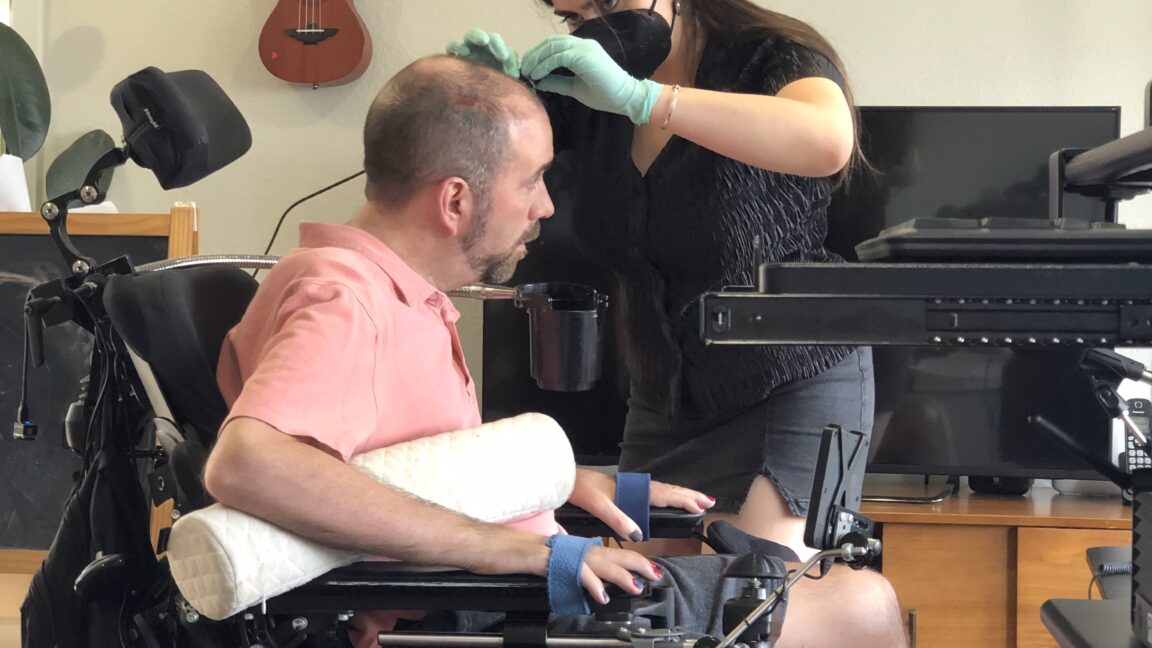
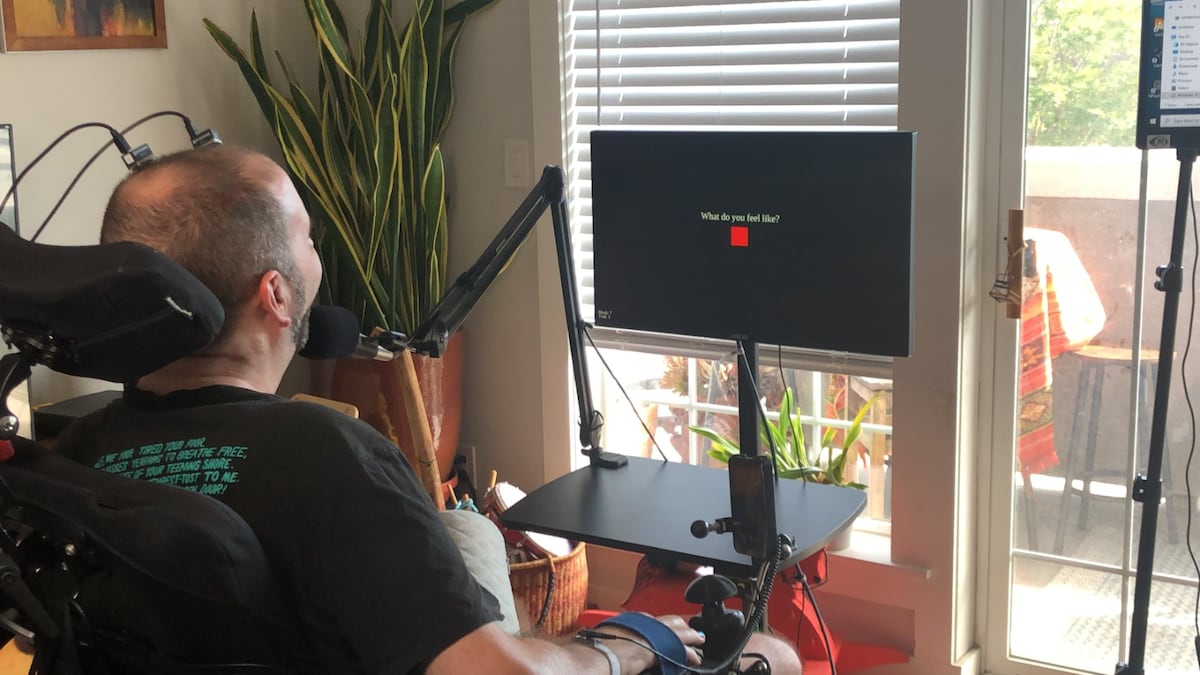
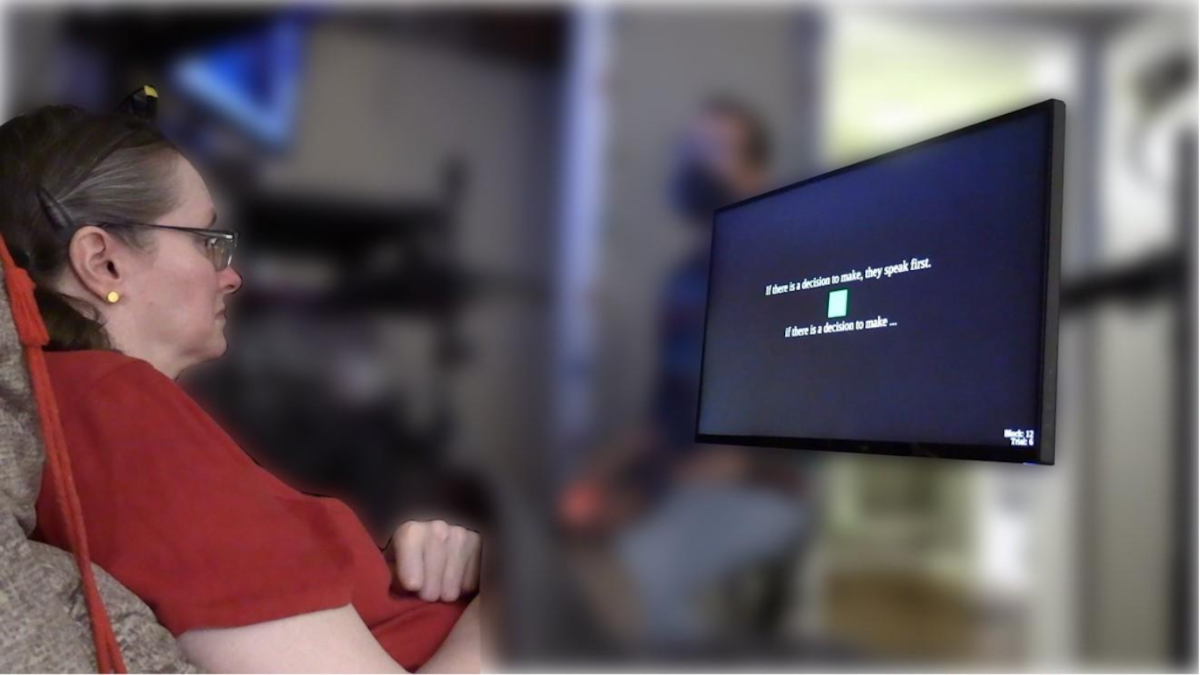
Once the mental privacy safeguard was in place, the team started testing their inner speech system with cued words first. The patients sat in front of the screen that displayed a short sentence and had to imagine saying it. The performance varied, reaching 86 percent accuracy with the best performing patient and on a limited vocabulary of 50 words, but dropping to 74 percent when the vocabulary was expanded to 125,000 words.
Science


[ Load more ]