#black-and-white
#black-and-white
[ follow ]
#photography #monochrome #wildlife #instagram #bug #hdr-photos #photo-posts #emmet-gowin #family #intimacy #nail-art
fromDesign You Trust - Design Daily Since 2007
3 months agoSpectacular Black & White Nature Photos from the 2025 One Exposure Awards
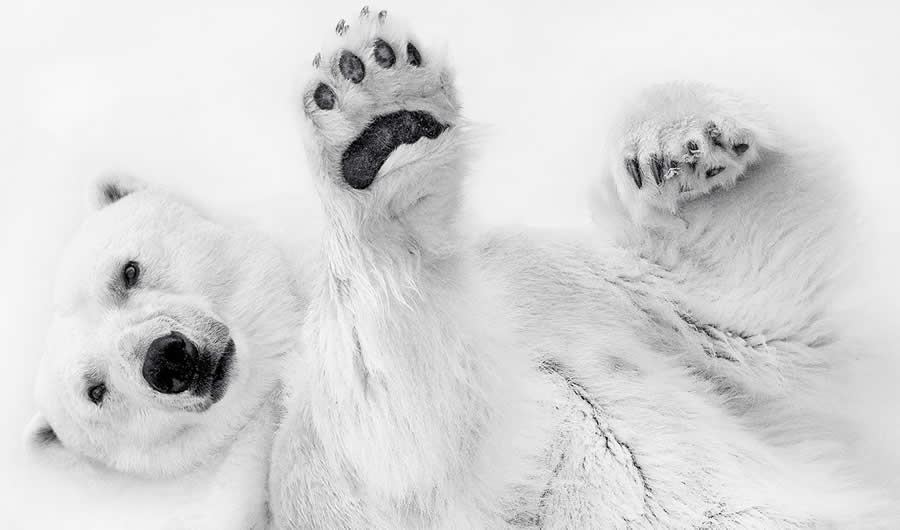
In 2025, the One Exposure Awards shifted to pure black‑and‑white, creating a nature photography showcase that feels strikingly different. The absence of color amplifies every shadow, texture, and emotional beat in each winning image. Across categories ranging from wildlife to fine‑art experimentation, the contest highlighted nature in its most elemental form. Lidija Novković earned 1st Place with "Začudno," a low‑angle giraffe portrait that transforms the familiar into something mythic.
Photography
fromItsnicethat
4 months agoMurugiah reimagines George Orwell's 1984 with psychedelic illustration and dripping paint
For the hand-painted cover, Murugiah recreated his digital mock up drawings onto heavy stock watercolour paper with red ink. After the ink drawings were done, they were then taped to the drawing board where Murugiah dripped paint and moved the paper around, applying randomised brush strokes onto the paper. The result is a richly textured background wash, made in reaction to the natural dripping of the paint.
Books
fromAnOther
5 months agoDiane Arbus's Intimate Portraits of People in Their Own Homes
The wild expressiveness of her most famous photographs runs deeply through the pieces in Sanctum Sanctorum, named after the concept of a sacred room or inner chamber. Couples are shown nude and sexually entangled with one another; solo women sit glamorously in bed covered in fine jewellery; a female impersonator curls up on a striped mattress, almost naked except for a coiffed blonde wig and delicate heels.
Photography


fromThe New Yorker
7 months agoStephen Shore's Precocious Adolescent Eye
But whereas Lartigue concerned himself with boyish subject matter-racecars, flying machines, the choreographed high jinks of his governesses-and the fashionable trappings of the Belle Époque, Shore seems to have barrelled into his adolescence as a fully formed artist. His work in those early days bears little resemblance to the crystalline large-format portraits of lonely American landscapes that would come to define his career.
Arts
fromInverse
7 months ago9 Years Later, The Most Underrated Godzilla Movie Of The Century Is Getting A Surprising Upgrade
GKIDS has announced that Hideaki Anno and Shinji Higuchi's 2016 kaiju movie Shin Godzilla will be re-released in theaters on August 31 in a new, black-and-white form called "SHIN GODZILLA:ORTHOchromatic." This comes after the new 4K re-release, but the new coloring adds an interesting wrinkle. Orthochromatic coloring, as opposed to monochromatic, means the film will more accurately replicate the black-and-white films of yore.
Film
[ Load more ]