Apple
fromZDNET
9 hours agoApple's foldable iPhone hinges on one key feature for me - and it's not the hardware
Apple is expected to launch a foldable iPhone in 2026, requiring significant iOS updates for multitasking capabilities.
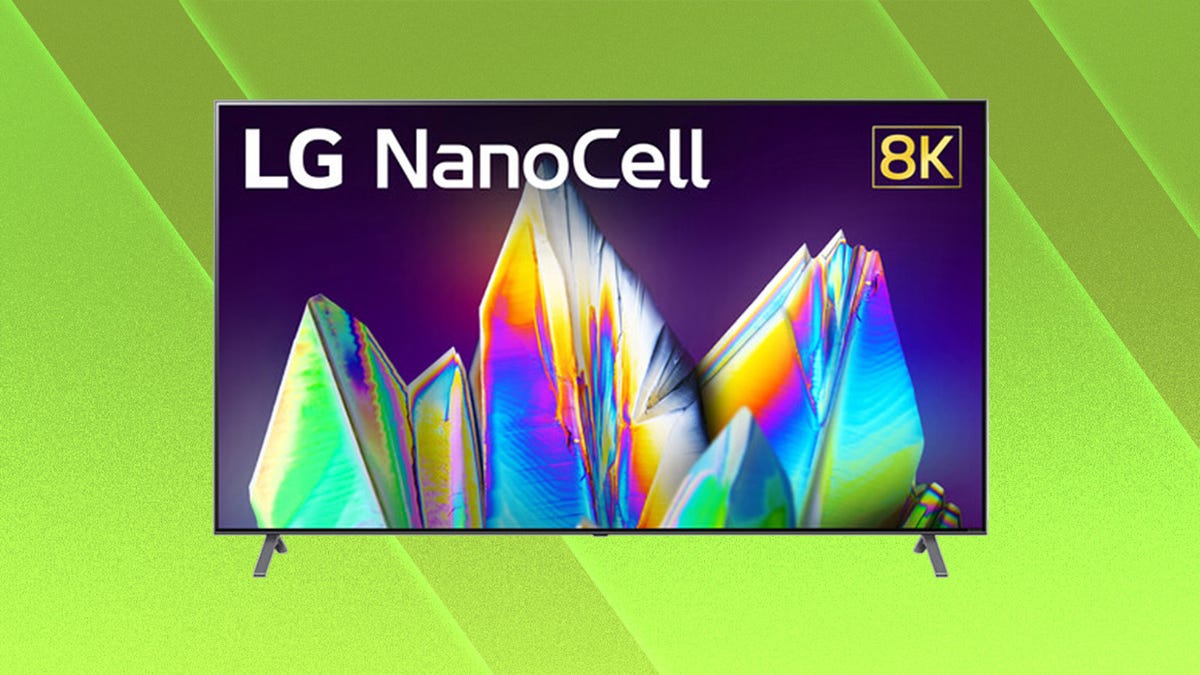
Store mode, also known as Demo Mode or Retail Mode, boosts contrast, brightness, and motion smoothing to create a bold image that attracts attention in stores. This setting often results in overly saturated colors and exaggerated brightness, which may not reflect the TV's true performance in a home environment.
Upload any picture or video, and Musubi uses artificial intelligence to extract the most important part and hover it in space as a 3D image within the frame. That could be a video of a child's first steps or a snapshot of a birthday party. The image will be displayed in 3D form, viewable in all its holographic glory across nearly 170 degrees.
Traits I look for in a large TV include good brightness and contrast, advanced local dimming (read: good backlighting) to reduce light bleed from bright objects on dark backgrounds, accuracy to the director's intent, and impressive color saturation, especially for HDR (High Dynamic Range) content.
Oppo has a new 2nd-generation Titanium Flexion Hinge, which is made using a liquid 3D printed component. The development process starts with precise laser scanning, which creates a high-fidelity model for each surface of the hinge. The process then moves to the liquid 3D printing phase, where Oppo uses tiny photopolymer resin droplets to fill uneven areas. The 3D printing process helps eliminate any structural irregularities at a microscopic level.
The flagship LG evo G6 series ranges in price from $2,499 to $24,999. (Cue spit take.) Fortunately, that five-figure price only applies to the 97-inch model, which nobody this side of Elon Musk needs. The entry-level price is for a 55-inch OLED. Moving up the ladder, the 65-inch one costs $3,399, the 77-inch model is $4,499 and an 83-incher will set you back $6,499.