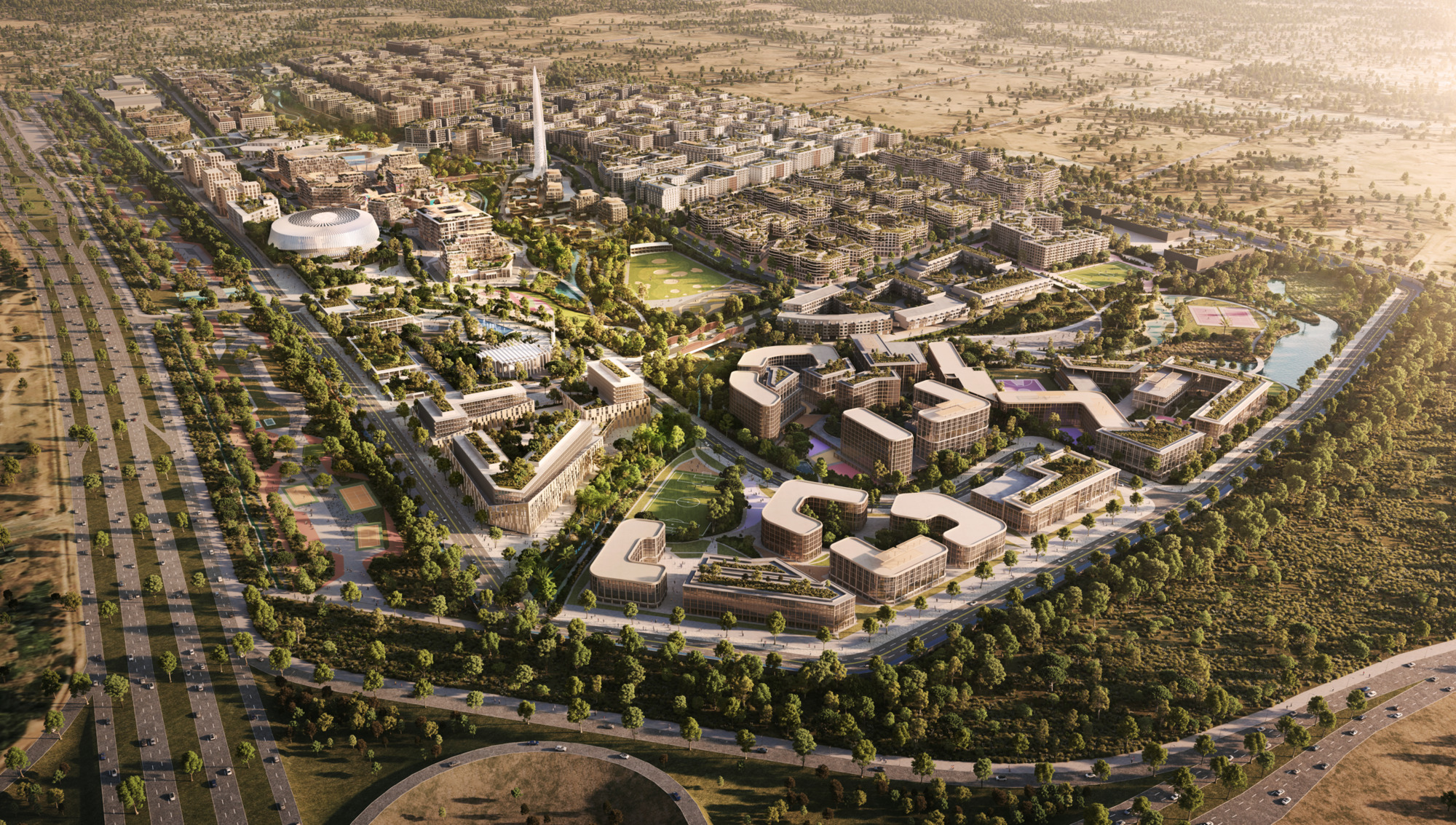
Abuja became Nigeria's capital on December 12, 1991, replacing Lagos as part of structural reform aimed at national integration and balanced regional development. Originally a sparsely populated area in the Chukuku Hills inhabited by nine indigenous ethnic groups, it was transformed into a planned city based on a master plan by International Planning Associates. The relocation created immediate infrastructure demand and administrative growth, though rapid expansion led to environmental pressures and informal settlements. A new master plan called City Walk, developed by MAG International Links Limited and designed by Benoy, now aims to create a 250-hectare mixed-use district integrating hotels, offices, residential, retail, cultural, educational, and healthcare facilities, including a 450-meter tower and 13,000-seat arena.
"Abuja was named the capital city of Nigeria on December 12, 1991. Located in the central Federal Capital Territory (FCT), it replaced the most populous coastal city of Lagos in a process of structural reform aimed at national integration and more balanced regional development."
"Originally a sparsely populated area home to nine recognized indigenous ethnic groups in the grass-covered Chukuku Hills, it was reshaped by the transfer of federal government institutions, which created immediate demand for supporting services. As in other relocation cases, rapid and unplanned growth challenged the phased master plan, leading to environmental pressures and informal urban settlements lacking cohesive development."
"Benoy's City Walk master plan marks a new phase in this process, aiming to introduce new landmarks and infrastructure that support residents at different stages of life. City Walk is a 250-hectare mixed-use development located along Airport Road in Abuja, within a Free Trade Zone, envisioned as a new gateway district."
#capital-relocation #urban-planning #mixed-use-development #infrastructure-development #city-walk-abuja
Read at ArchDaily
Unable to calculate read time
Collection
[
|
...
]