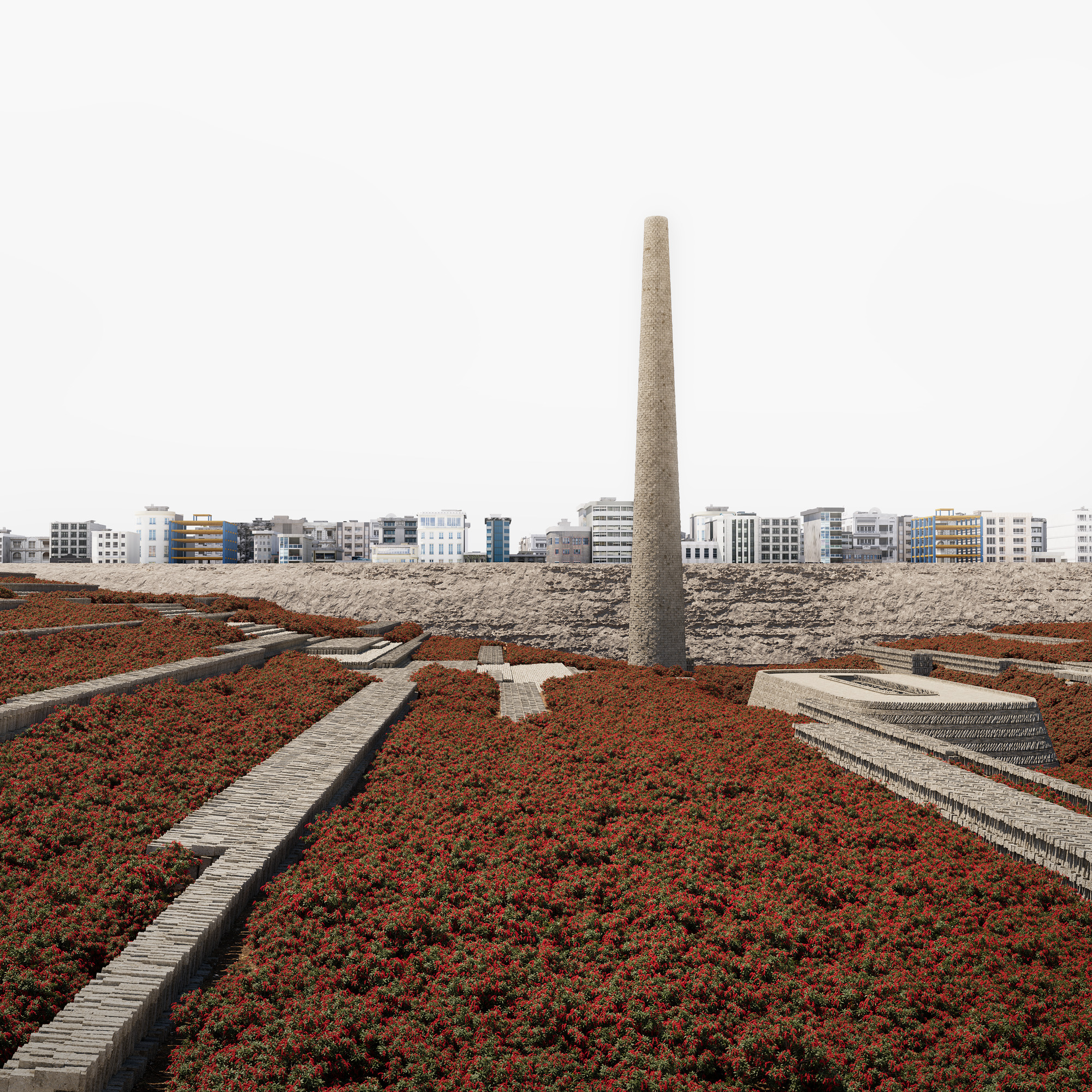
An international ideas competition invited architects and designers to propose transformations of used, abandoned, or overlooked structures with an approximate footprint of 250 square meters anywhere in the world. The open-format brief prioritized sustainability, feasibility, and community impact over formal or typological constraints. Submissions varied from precise urban insertions to speculative rural interventions, with many projects reactivating limited, often marginal spaces for collective use while responding to material, climatic, and ecological conditions. A jury selected three winning proposals, special awards, and honorable mentions, praising projects that challenged preservation models, proposed hybrid shared-use typologies, and addressed environmental performance. A second edition of the competition has been launched.
"Buildner has announced the results of its Re-Form: New Life for Old Spaces, an international ideas competition examining the adaptive reuse of small-scale existing buildings. The competition invited architects and designers to propose transformations of used, abandoned, or overlooked structures with an approximate footprint of 250 square meters, located anywhere in the world. With no fixed site or program, participants were encouraged to explore alternatives to demolition and new construction through reuse strategies grounded in contemporary social and environmental concerns."
"As an open-format competition, Re-Form foregrounded sustainability, feasibility, and community impact over formal or typological constraints. Submissions ranged from precise urban insertions to more speculative rural interventions, reflecting a broad range of approaches to working with existing fabric. Many projects focused on how limited, often marginal spaces could be reactivated to support new forms of collective use while responding to material, climatic, and ecological conditions."
"From an international pool of entries, the jury selected three winning proposals, along with special award recipients and honorable mentions. The jury noted that the strongest projects challenged conventional preservation models, proposed hybrid or shared-use typologies, and addressed environmental performance with clarity and restraint. Collectively, the selected works demonstrate how adaptive reuse at a small scale can serve as a catalyst for wider urban and social transformation, reinforcing the continued relevance of existing buildings amid growing environmental pressures."
Read at ArchDaily
Unable to calculate read time
Collection
[
|
...
]