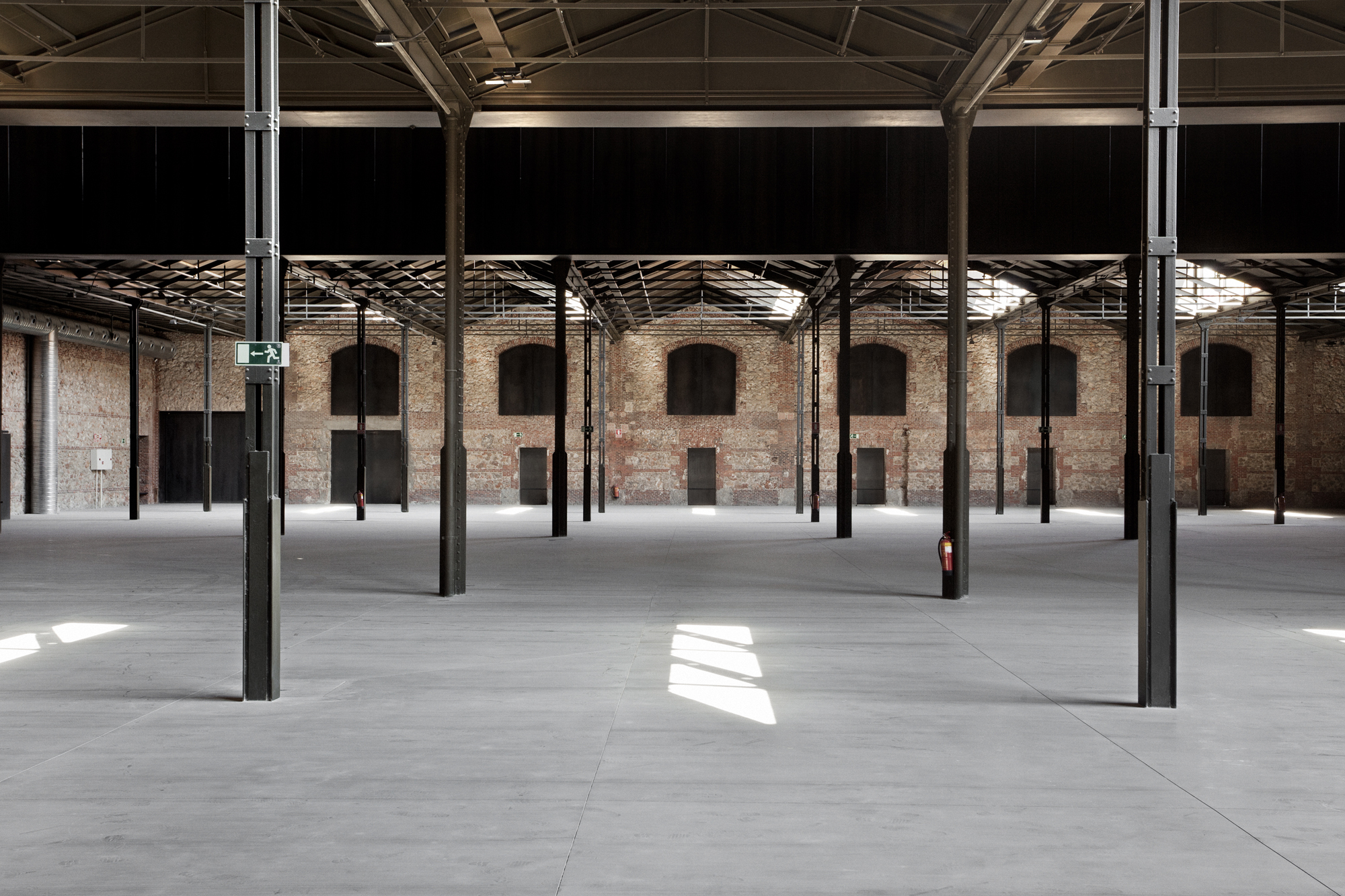
"In cities across the world, the relics of industrial production have become the laboratories of a new urban condition. Warehouses, power plants, and shipyards, once symbols of labor and progress, now stand as vast empty shells, waiting to be reimagined. Rather than erasing these structures, architects are finding creative ways to adapt them to contemporary needs, transforming spaces of manufacture into spaces of culture, education, and community life."
"By reprogramming existing structures, architects can reduce resource consumption while preserving the material intelligence embedded in the city's fabric. In this approach, progress is no longer measured by expansion, but by the capacity to transform and extend the life of what already exists. The examples below illustrate how adaptive reuse is reshaping the post-industrial city, showing new possibilities for transforming obsolete structures into meaningful civic spaces."
"A former power station on the banks of the Thames became one of the world's most visited museums of contemporary art. Herzog & de Meuron's project maintained the monumental brick shell designed by Giles Gilbert Scott, transforming its turbine hall into a vast public space that anchors the museum's identity. The later addition of the Switch House further expanded the complex, demonstrating how industrial architecture can evolve through layered transformations rather than demolition."
Industrial relics such as warehouses, power plants, and shipyards are being reimagined as cultural, educational, and community spaces. Adaptive reuse shifts architectural priorities toward building less and reusing more to address environmental urgency and preserve cultural continuity in cities. Reprogramming existing structures reduces resource consumption and retains material intelligence embedded in urban fabric. Progress is measured by the capacity to transform and extend the life of existing buildings rather than by expansion. Notable conversions include a Thames power station turned into a major contemporary art museum and a Cape Town grain silo complex transformed into a museum with a cathedral-like carved atrium.
Read at ArchDaily
Unable to calculate read time
Collection
[
|
...
]