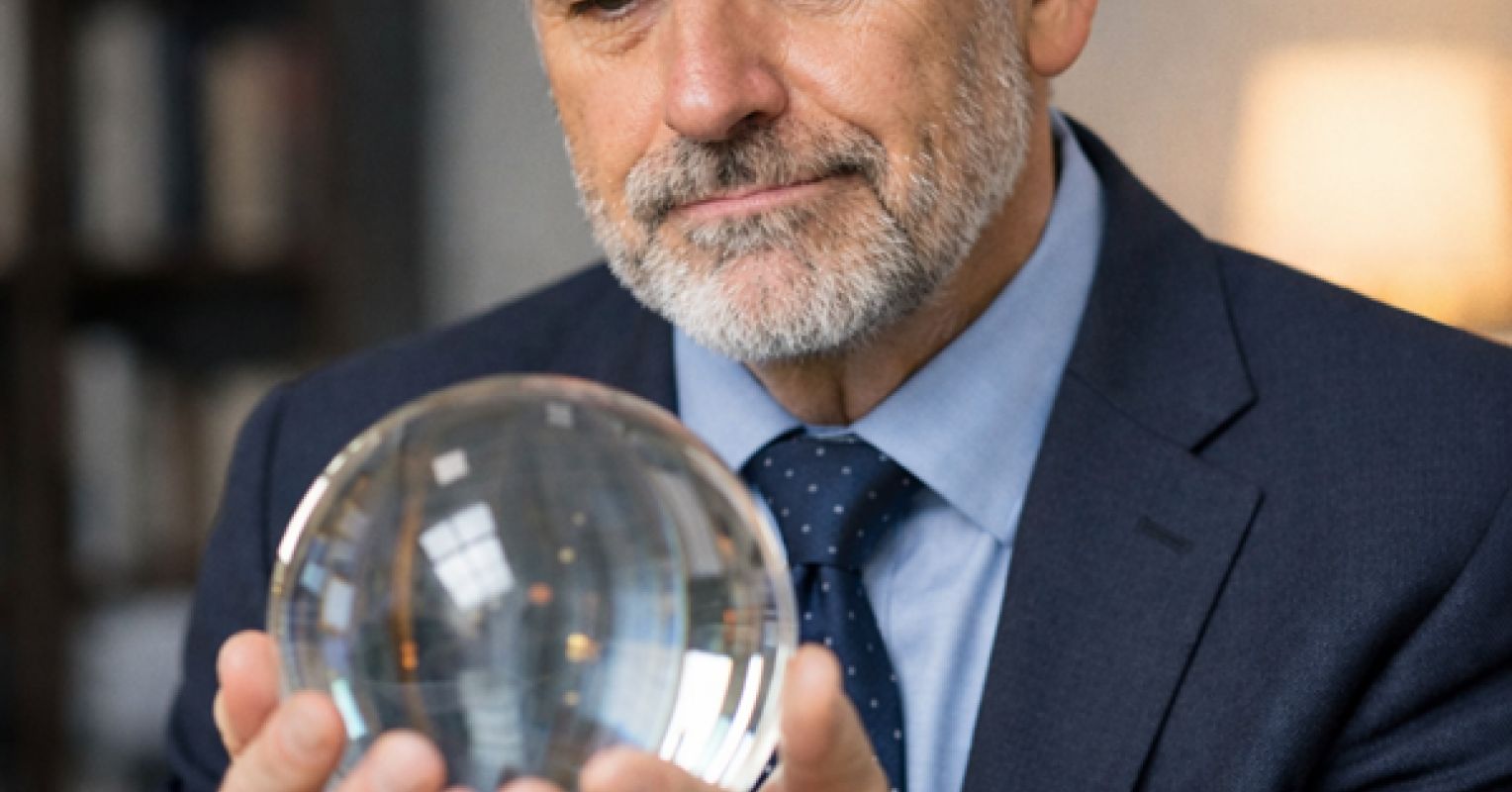
"A while back, I came across an article titled " Trust the Experts? It's a Bad Bet," and at first glance it seemed to echo a familiar claim: that expertise itself has become less trustworthy[1]. But reading past the headline revealed a much narrower and very different argument. The real target wasn't expertise in general; it was expert prediction. In essence, the claim was that experts are often poor forecasters of the future, and trusting their predictions is usually a losing proposition."
"The more interesting question isn't whether we should "trust experts" in some broad, abstract sense. It's what we should expect true expertise to actually deliver-and where its limits lie. Experts aren't hired to see the future. They're hired to help us make sense of the present: to diagnose problems we already face, interpret evidence we already have, and weigh tradeoffs under real constraints. When we confound that kind of judgment with prophecy, we end up misunderstanding both the value and the limits of expertise."
Expertise centers on judgment rather than prophecy. Experts diagnose existing problems, interpret available evidence, and weigh tradeoffs under real constraints. Evaluating experts by their ability to forecast uncertain futures removes the contextual cues and evidence that judgment requires. Trusting expert predictions often leads to poor outcomes because forecasting pushes judgments toward chance as problems move beyond familiar patterns. Recognizing the distinction between diagnostic judgment and prediction clarifies where expert value lies and where limits should be expected. Appropriate use of expertise focuses on present analysis and constrained decision-making rather than treating experts as oracles.
Read at Psychology Today
Unable to calculate read time
Collection
[
|
...
]