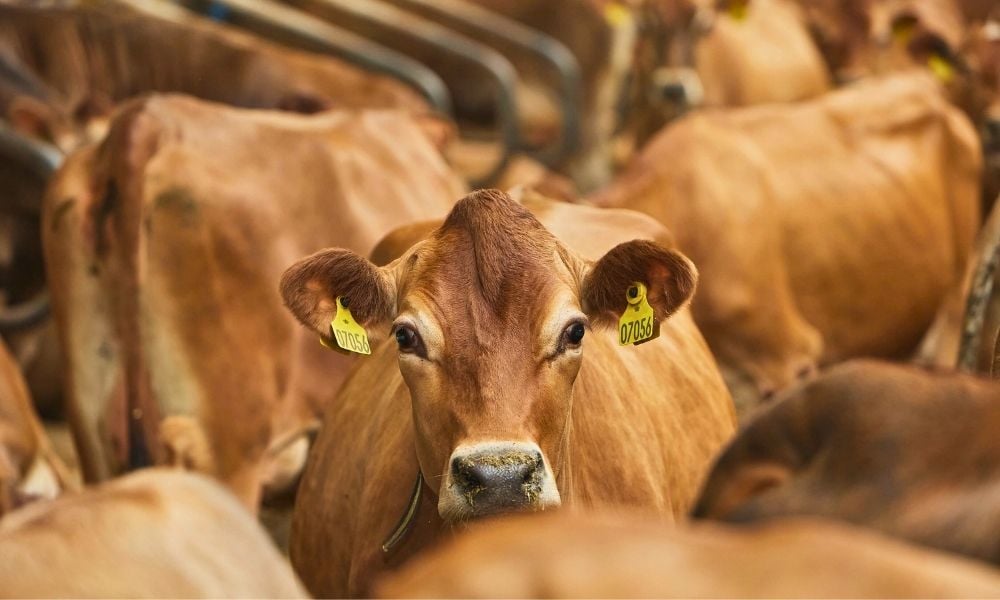
"Language describes our reality, but also informs and creates it. When we talk about animals, the words we choose to use influence how we feel about them; whether or not we choose to empathize with them, and ultimately, how our society treats them. In other words, language shapes our moral imagination, and our capacity to recognize animals as individual beings worthy of care."
"Think, for instance, about the words "livestock," "pest," or "specimen." These aren't neutral descriptions; rather, they have the effect of reducing living beings to roles or objects, stripping away their individuality. Referring to animals as "products" or "units" creates distance, making it easier for us to treat them as resources rather than sentient individuals with their own lives. Terms like "livestock" implicitly reassure people that the animals are meant for food or material production, rather than relationships or respect."
"Similarly, labels like "vermin" or "pest" paint certain animals fundamentally as nuisances meant to be eradicated, justifying cruelty as an act of necessity rather than one of choice. This kind of bias in everyday language represents a subtle but powerful form of discrimination. Researchers refer to this as linguistic speciesism : the way language expresses prejudice based on membership in a certain group of organisms, inevitably privileging humans over other animals."
Every day people make conscious and subconscious decisions about interacting with animals that draw moral lines. Language both describes and creates reality, influencing feelings, empathy, and societal treatment of animals. Certain terms—such as 'livestock,' 'pest,' 'specimen,' 'products,' and 'units'—reduce animals to roles or objects and strip away individuality, making it easier to treat them as resources. Labels like 'vermin' or 'pest' frame animals as nuisances to be eradicated, justifying cruelty as necessary. Linguistic speciesism embeds human superiority in language, expressing prejudice that privileges humans over nonhuman animals and shapes collective worldviews and behaviors.
Read at Lady Freethinker
Unable to calculate read time
Collection
[
|
...
]