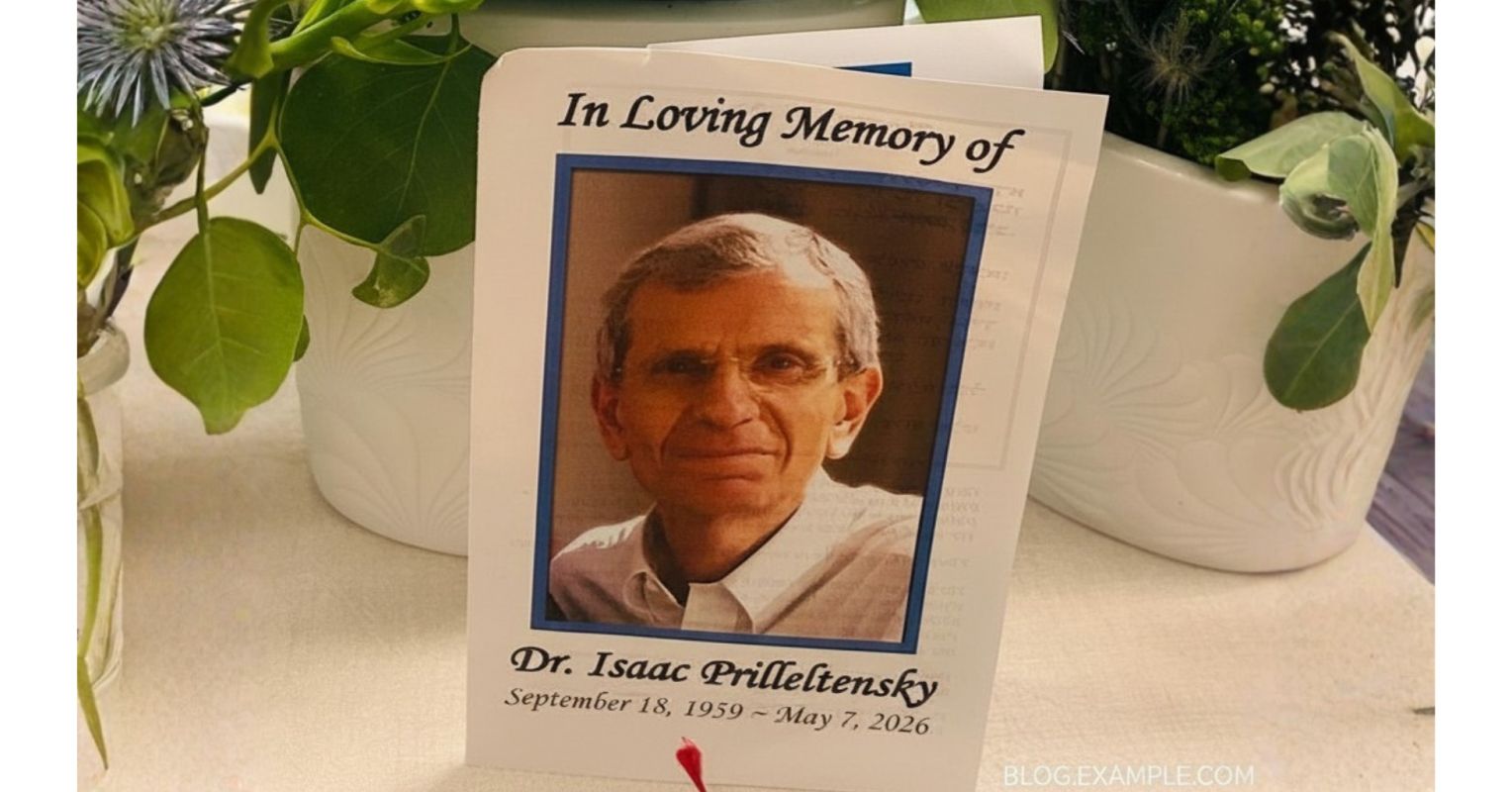
"Mentorship leaves an inheritance of values, connection, and belief carried forward by others. Education and leadership are ultimately relational, grounded in humanity and connection. Legacy lives through relationships, community, compassion, and the people we continue to shape."
"What stood out most was how people spoke about Isaac: his humor, kindness, and ability to make people feel at ease. Laughter seemed to be part of how he built connection and community. His deep devotion to Ora was also ever-present in the stories shared, a love so central to who he was that it was impossible to speak about one without the other."
"Listening, and having many conversations that evening, I realized that Isaac's work on mattering was never only theoretical. He lived it. Even as a professor, Isaac did not simply teach people. He invested in them, believed in them, and made them feel seen and valued."
"Isaac was not only my mentor. He was my professor, support system, advocate, cheerleader, and in many ways, a father figure. He remembered every detail about my life, and I know I was not the only one he had this kind of relationship with. Isaac was deeply invested in the people around him and intentional about building community."
A mentor’s influence continues through values, relationships, and beliefs carried forward by others. Education and leadership are grounded in humanity and connection rather than only theory. Legacy appears in the relationships a person builds, the community they strengthen, and the compassion they practice. Stories shared during mourning emphasize humor, kindness, and the ability to make people feel at ease. Laughter and listening help create connection and belonging. Devotion to a spouse is portrayed as central to identity and reflected in how others remember the mentor. Personal investment in individuals—seeing them, believing in them, and making them feel valued—turns academic work into lived practice.
Read at Psychology Today
Unable to calculate read time
Collection
[
|
...
]