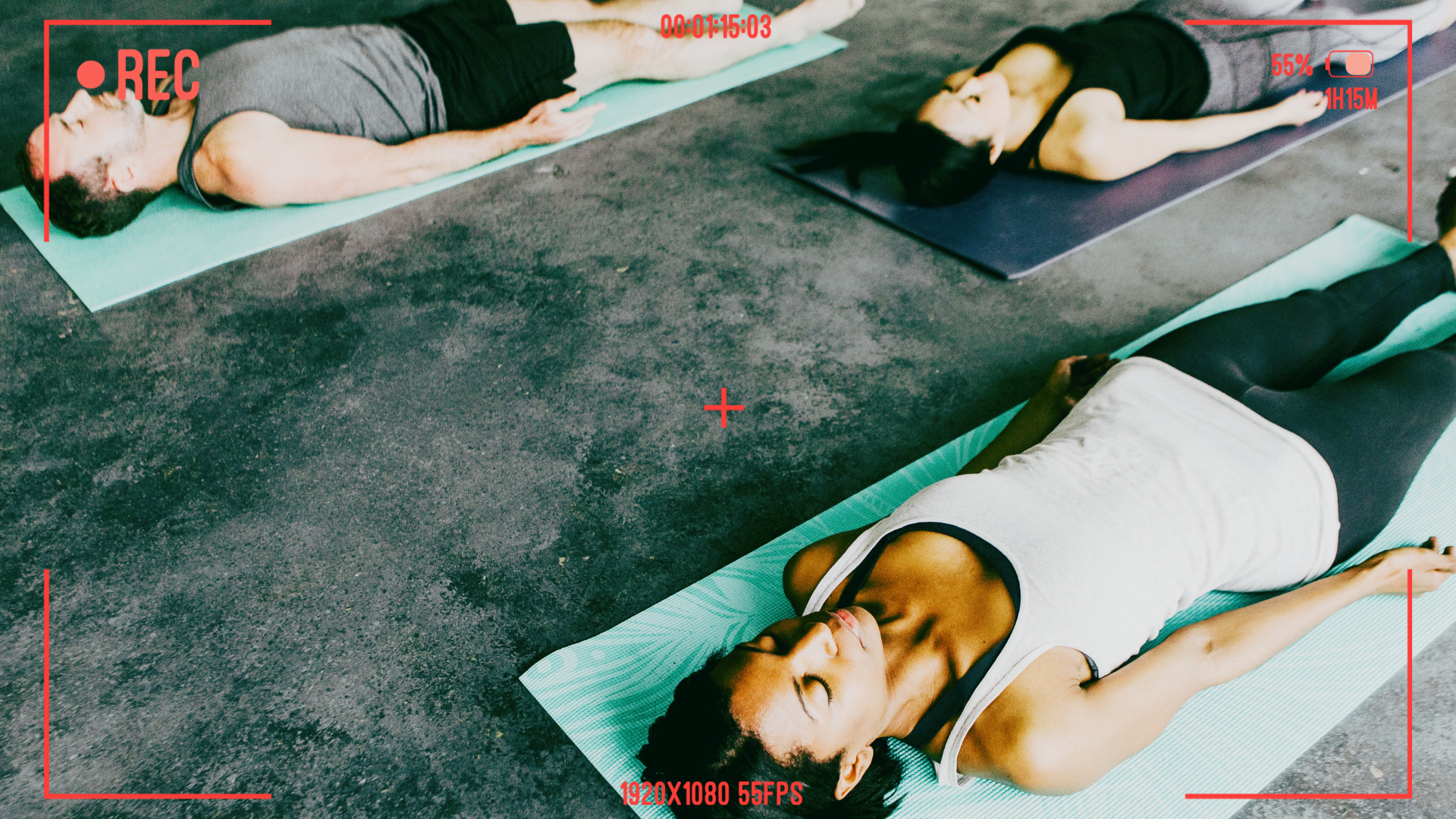
A yoga class is meant to support inward attention and personal awareness. When a camera or phone is set up, awareness of the body changes from how it feels to how it looks. Students may adjust their mat, clothing, hair, or posture to avoid being in frame or to manage perceived exposure. Filming has become common for marketing and for sharing community, but it introduces an external focus that can undermine the inward purpose of yoga. Responses to cameras vary by person and mood, sometimes causing discomfort, sometimes prompting requests for copies, and often creating the possibility of being watched or evaluated.
"You start to feel a shift inside and wonder if others feel it, too. You look around, trying to see where the camera is pointing, uncertain if you're in the frame. Maybe you move your mat slightly to feel less exposed. Yet whether or not the lens is focused on you, it's too late. You're already aware of your body in a different way than is intended in yoga."
"Yoga is supposed to be an inward practice. It's not about being watched, evaluated, or documented. It's about paying attention to what's happening inside your own body and mind. Filming brings in something else. The way someone responds to a camera in class can vary by person, by day, and by mood."
"In recent years, filming a studio yoga class has become increasingly common. Video reels for social media are considered an essential marketing tool by some teachers and studios to help pay the rent. Posting videos is also how some students choose to share an integral part of their life and build community."
"No matter the feeling that comes in, the presence of a camera creates the possibility of being seen, and that possibility alone can c"
Read at Yoga Journal
Unable to calculate read time
Collection
[
|
...
]