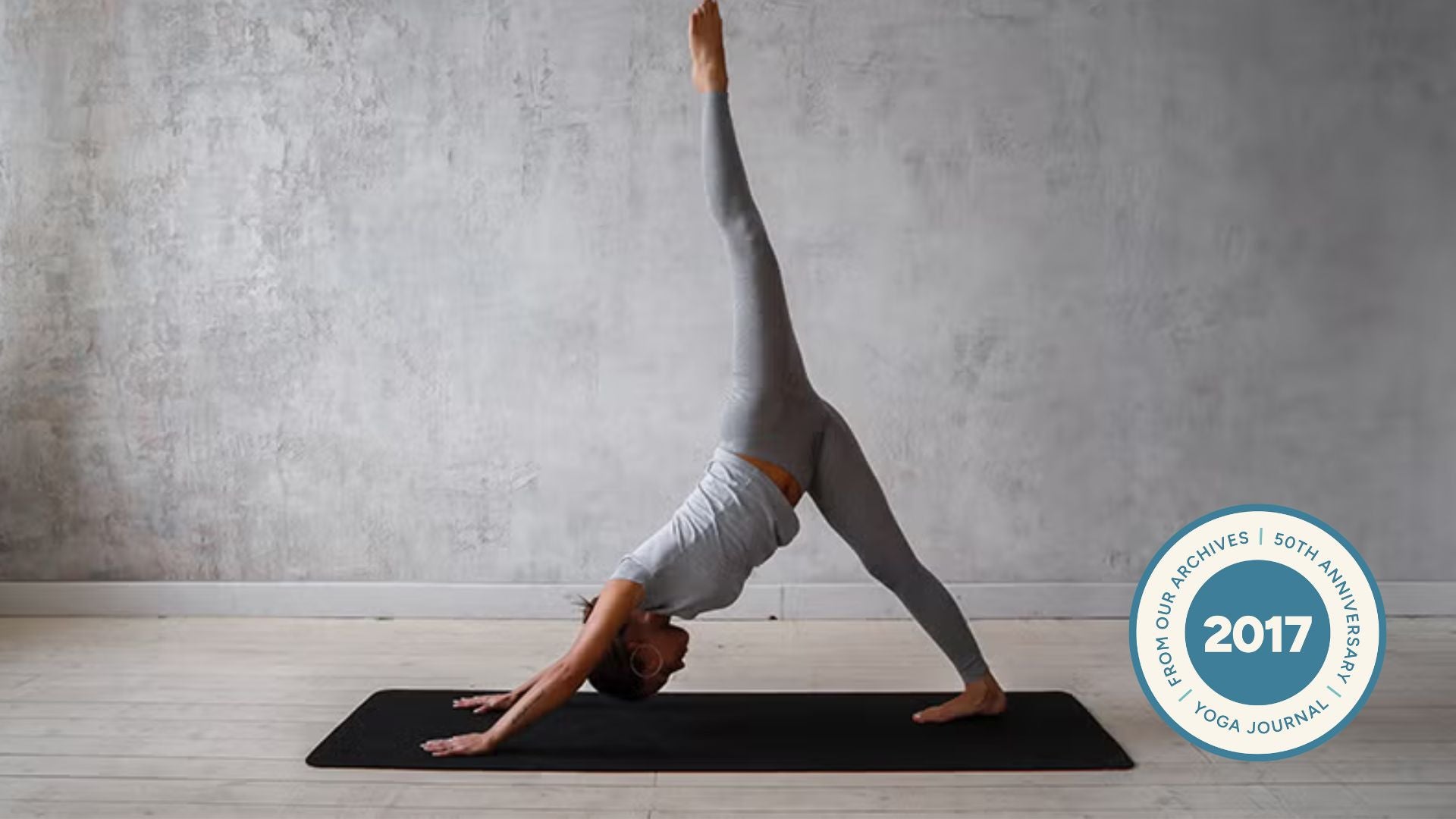
Changing up a yoga practice by learning new poses, styles, or transitions enhances present-moment engagement and reduces mind-wandering. Novel physical challenges form new neural connections, improving memory, concentration, and creativity through neuroplasticity. Trying different practices also develops balance, strength, proprioception, and coordination while lowering injury risk. Exposure to novelty boosts dopamine and mood, helping reduce anxiety and depressive rumination. Practical approaches include workshops (e.g., handstands), restorative practices (yin, yoga nidra), partner work, pranayama, and meditation. Consistent variety supports long-term brain health and emotional resilience across the lifespan by stimulating cognitive flexibility and adaptive neural pathways.
"You finally get to your mat. As you begin to slow your breath and find the familiar shapes of poses, you can feel the emotional relief. You can also feel the nagging thoughts about that email you didn't return and the ruminations about that meeting that you're still reliving. Or maybe by the time you land in Warrior I you've already half-written a mental grocery list. You're checked out of your practice. Again."
"Yoga can be defined as the yoking of body, mind, and consciousness-a full-on present moment experience. When you're in your body and lost in your breath, you experience that unity that keeps you coming back to your practice. Yet when your mind wanders, yoga isn't exactly happening. So how do you stay in the present moment? Yes, it's a perpetual practice, although trying something new is a pretty sure-fire strategy to keep you focused."
"A surprising number of neurological changes take place when you forego the familiar. 1. It Keeps Your Brain Young You've probably heard that learning a new language or musical instrument forms new connections in the brain. Figuring out how to come into an arm balance or transition from one pose to the next in a novel manner also boosts your memory, concentration, and creativity by creating new neural pathways, or thought patterns, in the brain."
Read at Yoga Journal
Unable to calculate read time
Collection
[
|
...
]