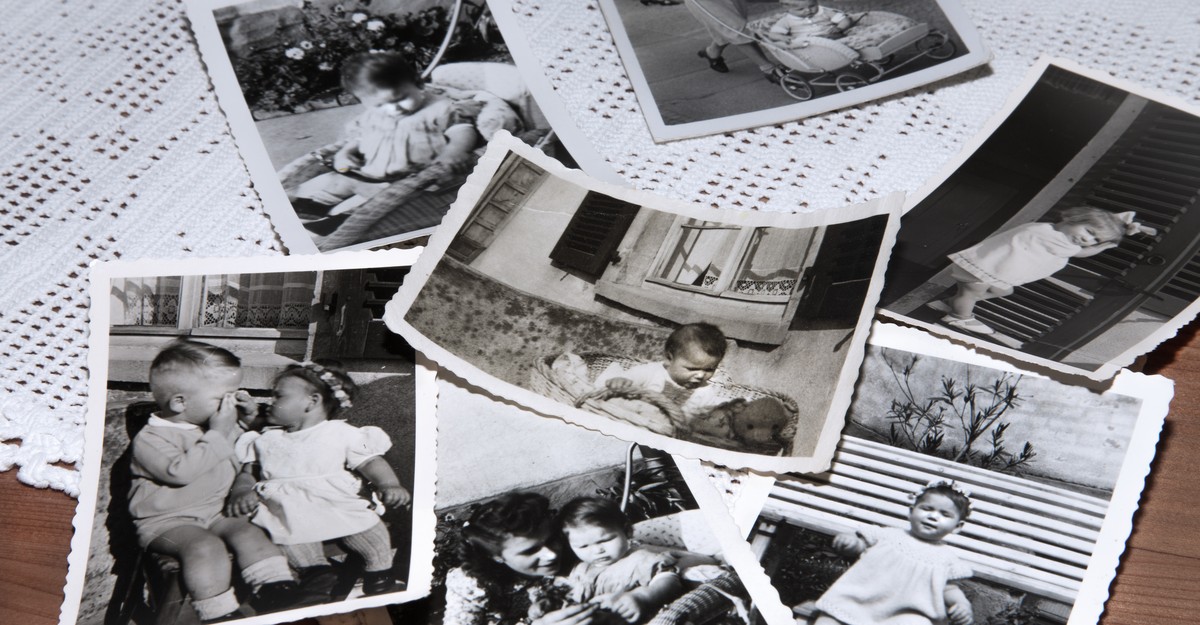
"As I grew older, I began wondering about the version of my mother that existed before I did. Not just the parent who raised me, but the younger person she once was: the life she'd imagined for herself, the experiences that shaped her, the parts of her history that I will never fully know."
"Many of us know our mothers in practical roles first: caretakers, disciplinarians, emergency contacts, occasional embarrassments. But the earlier versions of them often survive only in fragments. They might share an old photograph or make a fleeting comment about a life that existed before ours. Mothers can watch us become ourselves, but we rarely get to witness who they were before we arrived."
"I always knew my mother loved me. I didn't realize the full practical cost of her love until becoming a mother myself."
"From joy and attachment to anxiety and protectiveness, mothering behavior begins with biochemical reactions."
The material centers on the shift from seeing mothers as fixed parental roles to recognizing them as complete people with histories that children can only partially know. It describes how mothers are often encountered first as caretakers, disciplinarians, and practical supports, while earlier versions survive through small clues like photographs and brief remarks. Becoming a mother changes how love is understood, including the practical cost of care. Motherhood is also framed as a process driven by biochemical reactions that can move from attachment and joy toward anxiety and protectiveness. Adult children can influence mothers’ happiness, and relationships may not always produce unmitigated joy.
Read at The Atlantic
Unable to calculate read time
Collection
[
|
...
]