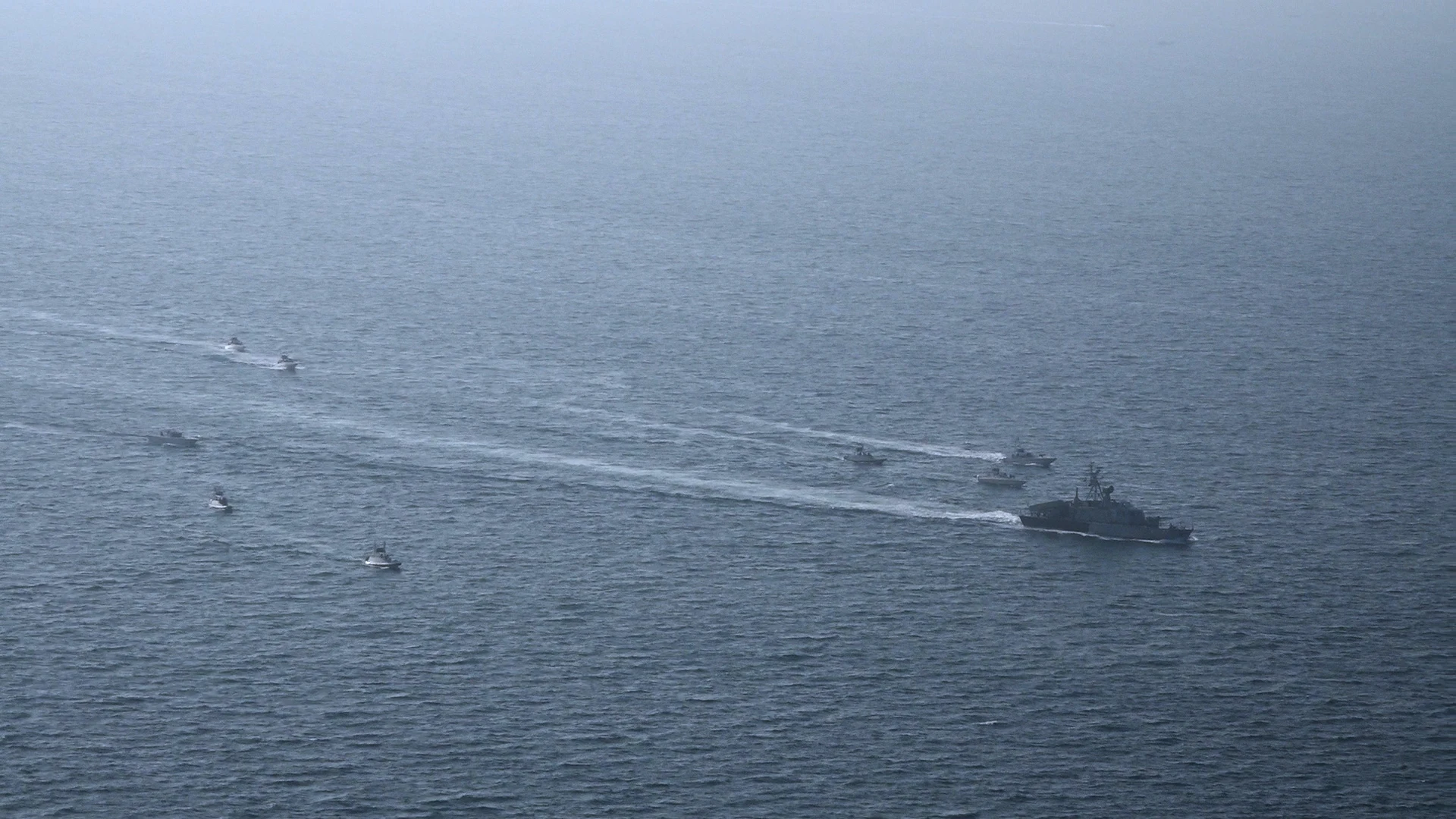
"On a typical day, ships carrying about a fifth of the world's oil sail out of the Gulf through the narrow passageway. But the war with Iran means it's effectively closed, hemming in more than 90% of that crude and refined products, according to the International Energy Agency."
"The snarls have sent oil prices above $100 per barrel and threatened a surge of painful inflation for the global economy if the blockage lasts a long time. Some energy analysts believe oil prices could jump to $150 per barrel if the strait remains closed for weeks and conditions worsen."
"That would mean even higher gasoline prices for drivers worldwide, undercutting household budgets already pressured by high inflation. It would also raise costs for businesses, which could in turn raise prices for customers."
The Strait of Hormuz, a critical waterway connecting the Persian Gulf to global markets, handles approximately one-fifth of the world's oil shipments daily. Iran's blockade in response to conflict has effectively closed the passage, trapping over 90% of the region's crude and refined products according to the International Energy Agency. Oil prices have surged above $100 per barrel, with analysts warning prices could reach $150 if the strait remains closed for extended periods. This disruption threatens significant global economic consequences, including increased gasoline prices for consumers, higher business costs, and accelerated inflation affecting household budgets worldwide.
Read at Fast Company
Unable to calculate read time
Collection
[
|
...
]