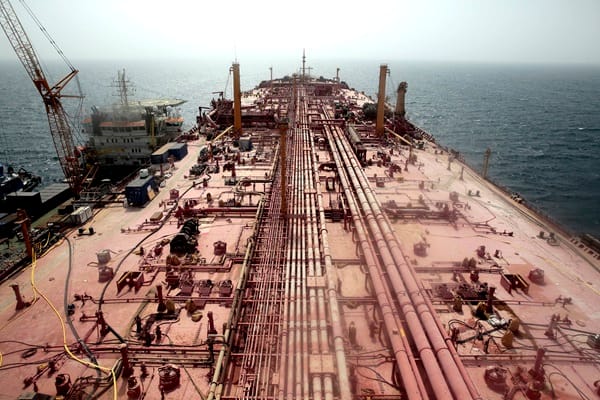
"The intensifying tensions involving the US, Israel, and Iran continue to weigh heavily on the outlook for crude supplies. Recent disruptions and the risks faced by the energy infrastructure in the region continue to drive concerns. Threats and direct actions against shipping in the Strait of Hormuz have essentially brought tanker traffic to a halt through the critical chokepoint."
"Markets are now actively pricing in the tangible risk of a major supply disruption should the tensions become protracted. While OPEC+ has agreed to a modest output increase for April, this supply buffer could be insufficient if the Strait of Hormuz remains constrained."
"Under these conditions, crude prices remain highly volatile and are susceptible to sharp swings in response to any regional headlines. Ultimately, the current geopolitical tensions will remain the dominant narrative driving oil markets over the short term, dictating trading dynamics in the days ahead."
Oil prices continue climbing as geopolitical tensions involving the US, Israel, and Iran create a significant risk premium in crude markets. Threats to shipping in the Strait of Hormuz have severely disrupted tanker traffic, forcing companies to reroute vessels and avoid the critical chokepoint. Markets are pricing in the tangible risk of major supply disruptions if tensions persist. Although OPEC+ agreed to a modest output increase for April, this supply buffer may prove inadequate if the Strait remains constrained. Crude prices remain highly volatile and susceptible to sharp swings based on regional developments. Geopolitical tensions will remain the dominant driver of oil market dynamics in the near term.
Read at London Business News | Londonlovesbusiness.com
Unable to calculate read time
Collection
[
|
...
]