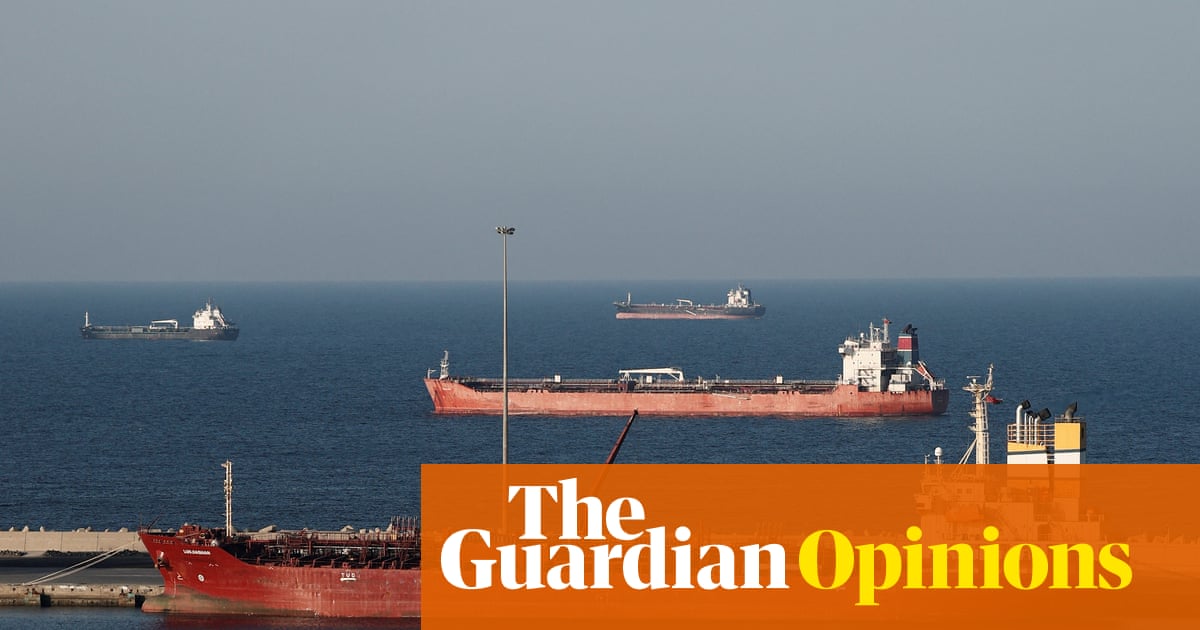
The ongoing US-Israeli conflict with Iran has created significant volatility in energy markets, with Brent Crude Oil prices fluctuating around $100 per barrel. The Strait of Hormuz, through which approximately one-fifth of global oil and LNG shipments pass daily, represents a critical vulnerability. Over the past two decades, global oil trade patterns have fundamentally shifted eastward due to China's industrial growth. China now accounts for roughly one-quarter of global oil imports, primarily from Gulf states, and consumes approximately 90% of Iran's crude exports. This eastward pivot of energy trade means the Strait of Hormuz now holds equal strategic importance for Asian economic security as it historically did for Western interests. The conflict's broader implications extend beyond oil prices to geopolitical realignments, potentially drawing China and Russia closer together.
"For most of the modern oil era, Gulf crude flowed primarily west, supplying the United States and Europe. Today, the centre of gravity of that trade has shifted decisively towards Asia. China alone now accounts for roughly one-quarter of global oil imports, most of which comes from the Gulf states."
"As the centre of gravity of the oil trade has shifted east, the choke point that once loomed large in western strategic thinking now sits equally at the heart of Asia's economic security. For China, in particular, conflict in the Gulf and the vulnerability of transit routes such as the strait of Hormuz pose a major risk to its energy supplies."
"An unexpected consequence of this war is that the US's two biggest enemies, China and Russia, could well be drawn closer together. These changes help explain why the current war carries such significant economic and geopolitical implications."
Read at www.theguardian.com
Unable to calculate read time
Collection
[
|
...
]