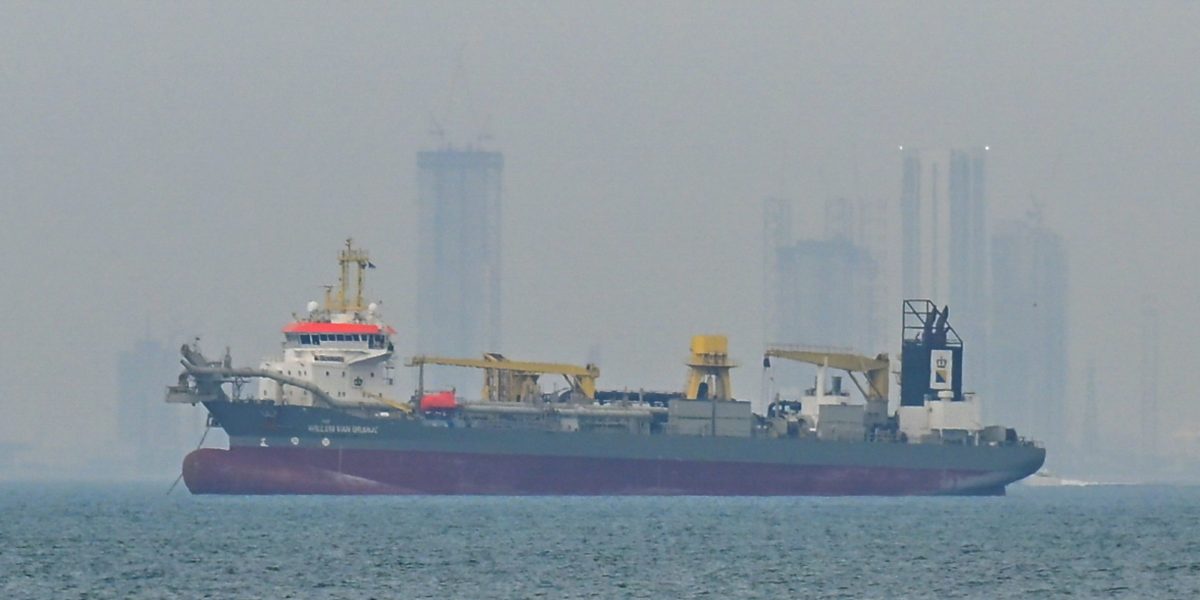
"The Strait of Hormuz is essentially closed, and yet prices are only up a little bit. The oil price reaction is telling us that so far this is contained. The expectation is the U.S. will do something to open, and keep open, the strait so oil can flow."
"The narrow, 104-mile strait is the main choke point separating the Persian Gulf-and the daily flow of nearly 20 million barrels of oil-from the Indian Ocean and global energy markets. Nearly 20% of global oil and natural gas exports flow through the strait each day."
"If that happens, tankers move. Until that happens, tankers wait. The U.S. may need to offer some kind of security guarantee to overcome the reticence of third-party insurers to offer coverage for oil tankers."
Following military escalation in the Middle East that closed the Strait of Hormuz, crude oil prices increased modestly by 6% on March 2, surprising energy analysts who expected larger market movements. The strait, a critical 104-mile waterway, handles nearly 20% of global oil and natural gas exports daily from major producers including Saudi Arabia, Iraq, Iran, Kuwait, Qatar, and the UAE. While no formal blockade exists, tanker damage and insurer reluctance to provide coverage have disrupted shipping. Some refineries sustained damage and Qatar reduced exports, but production facilities remain operational. Analysts attribute the muted price response to market confidence that U.S. security guarantees will restore tanker movement and oil flows through the strait.
Read at Fortune
Unable to calculate read time
Collection
[
|
...
]