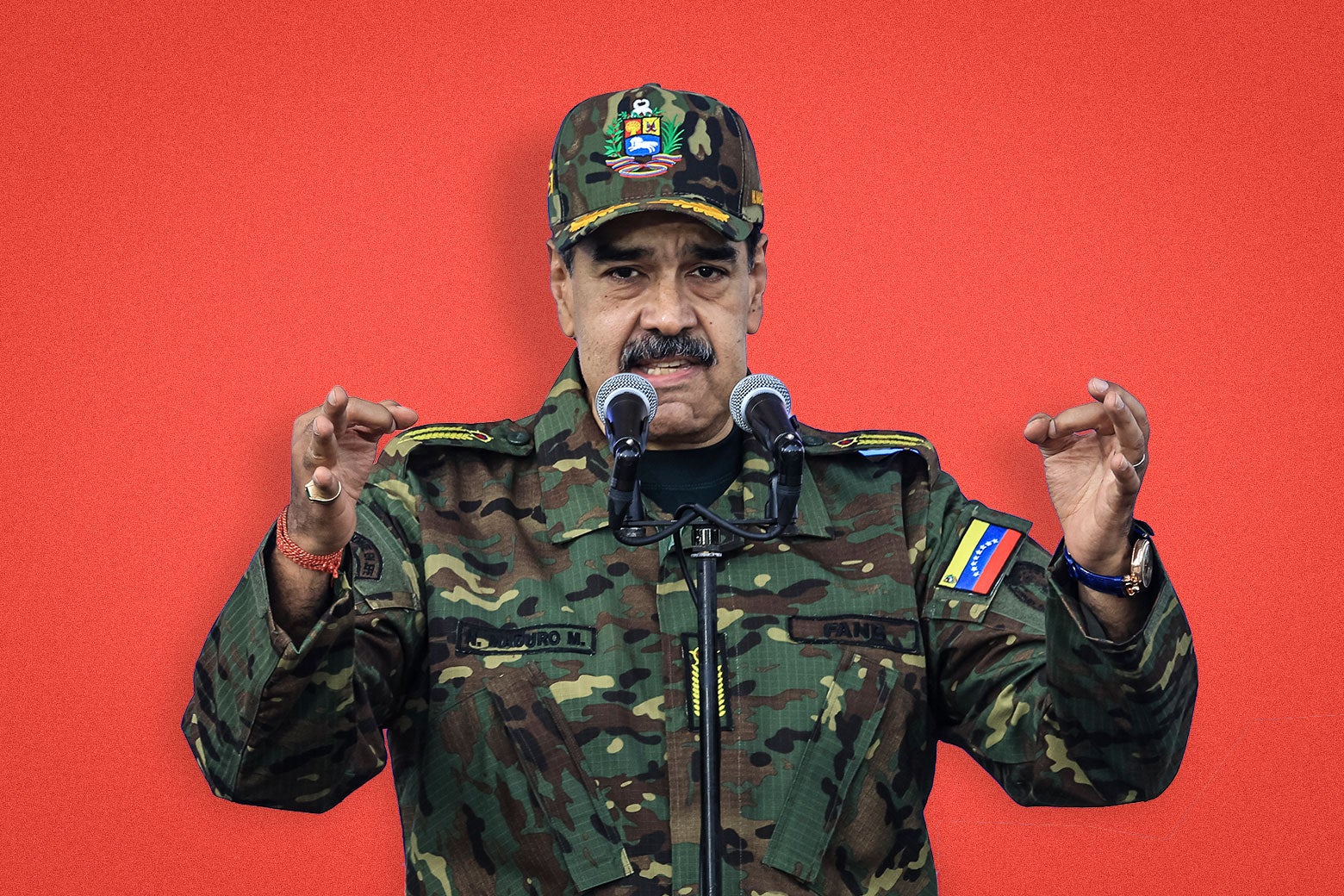
U.S. justifications for bombing Venezuela and arresting its president shifted rapidly between counternarcotics, oil seizure, and regime-change rationales. That ambiguity, combined with the administration's frequent falsehoods, intensified confusion about objectives. The action fits into a long history of U.S. intervention in Latin America. Key unknowns include how Maduro's removal will affect the Chavista power structure across government, military, and society; whether rival leaders consolidate or fragment control; and how oil interests shape outcomes. The most dangerous consequence may be the international signal the operation sends, potentially normalizing extra-legal interventions and destabilizing regional norms.
"The Trump administration's justifications for bombing Venezuela and arresting its president shifted in real time this weekend. Was this a national security-related counternarcotics operation, an oil heist, or a regime-change play to topple a dictator? That lack of clarity-combined with the administration's propensity to, well, tell a lot of lies-only added to the mass confusion over what's really going on."
"Breda has spent more than a decade studying Latin American politics and security. In our conversation, he unpacks how this operation fits into the long arc of U.S. intervention in the region, the internal dynamics of Venezuela's ruling "Chavista" coalition, the role of oil, and why the most dangerous consequence of this moment may not be what happens next in Caracas, but what it signals across the world."
Read at Slate Magazine
Unable to calculate read time
Collection
[
|
...
]