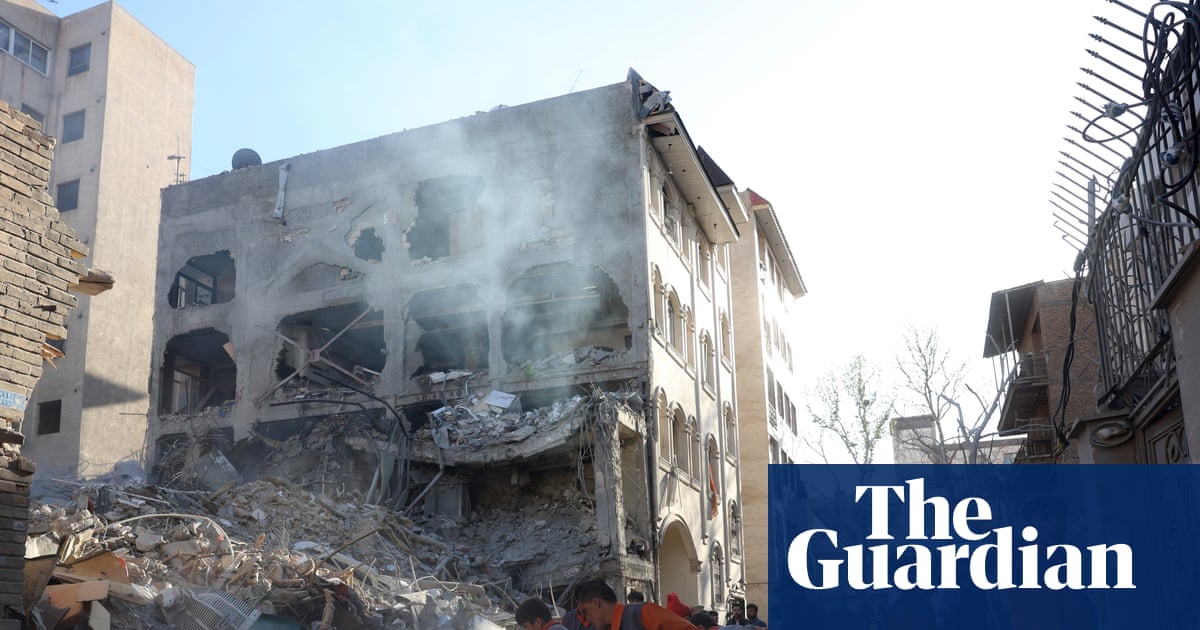
The Trump administration planned military action against Iran, including possible airstrikes and deployment of aircraft carriers and other ships. Around the same time, the government deported 18 people to Iran, with the last arrivals occurring days before American and Israeli bombs began. The deportations were part of a broader campaign to remove Iranians from the United States, with more than 200 deported during 13 months of the presidency leading up to the war. The state department warned US citizens not to travel to Iran and criticized Iranian human rights abuses. A separate analysis found more than 21,000 deportations to countries labeled too dangerous to visit, including war zones and unstable or authoritarian regimes. Most deportees had no criminal convictions, and at least 600 were children. ICE did not provide answers about deportation timing or methods to countries classified as unsafe.
"In late January, the Trump administration was planning a war in Iran, weighing possible airstrikes and staging aircraft carriers and other military ships in the region. Around that time, government officials deported 18 people to Iran, the last of them arriving just days before American and Israeli bombs began falling across the country. These deportations were the latest in an aggressive campaign to deport Iranians from the United States, the first time in recent history the US government had done so in large numbers."
"In the 13 months of Donald Trump's presidency leading up to the war, the United States deported more than 200 people to Iran, even as the state department decried human rights abuses by the Iranian government and warned US citizens not to travel there for any reason. The US government deported more than 21,000 people to countries that the state department deemed too dangerous to visit, according to a Marshall Project analysis of Immigration and Customs Enforcement data obtained by the Deportation Data Project from Trump's inauguration through mid-March."
"These countries included war zones such as Ukraine, nations with unstable governments in disarray such as Haiti and brutal dictatorships such as Myanmar places where travelers may face terrorism, wrongful detention and kidnapping, among other potential dangers. The overwhelming majority of those deported had no criminal convictions. At least 600 were children. ICE did not respond to repeated questions about how and when it deports people to countries the state department classifies as unsafe to visit."
"Susan Akram, a law professor with Boston University's International Human Rights Clinic, called the deportations immoral and totally inhumane and argued that they violate US and international laws."
Read at www.theguardian.com
Unable to calculate read time
Collection
[
|
...
]