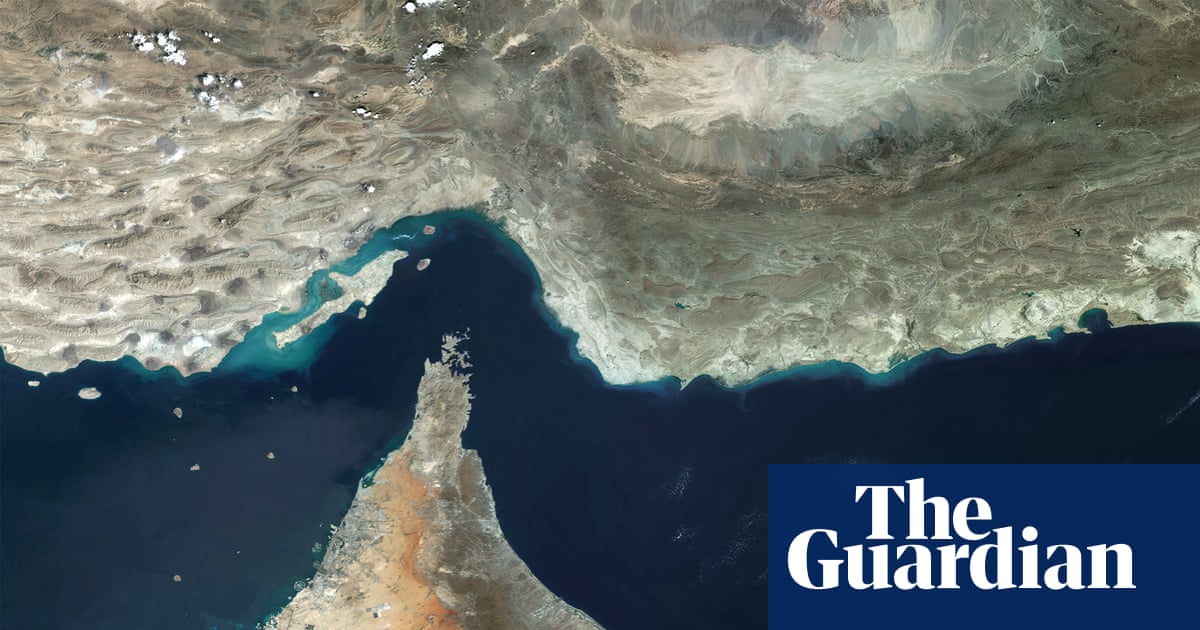
"In normal times, tankers carry about a fifth of the world's oil and gas supplies through the narrow channel and on to the rest of the world, while about a third of the global fertilisers necessary for half of the world's food production pass through in dry bulk vessels."
"More than 20 ships have been attacked across the region during the conflict, including near-misses and those that have sustained minor damage, leading to the deaths of several crew members."
"Given this uncertainty, an estimated 1,000 vessels and their crews mainly gas and oil tankers but also container ships have opted to remain at anchor or in port, with few willing to take the risk of moving."
"The UN's shipping agency, the International Maritime Organization (IMO), has sounded the alarm over the 20,000 seafarers stranded in the Gulf in stressful conditions and facing dwindling supplies."
The Strait of Hormuz has been effectively closed due to threats from the US-Israel war on Iran, impacting global oil and gas supplies. Tankers typically transport a significant portion of the world's energy resources through this channel. Over 20 ships have been attacked during the conflict, resulting in casualties among crew members. Although no vessels have been damaged since March 22, the return to normal shipping patterns is expected to take months. Approximately 1,000 vessels remain anchored or in port due to safety concerns, leaving 20,000 seafarers stranded in the Gulf.
Read at www.theguardian.com
Unable to calculate read time
Collection
[
|
...
]