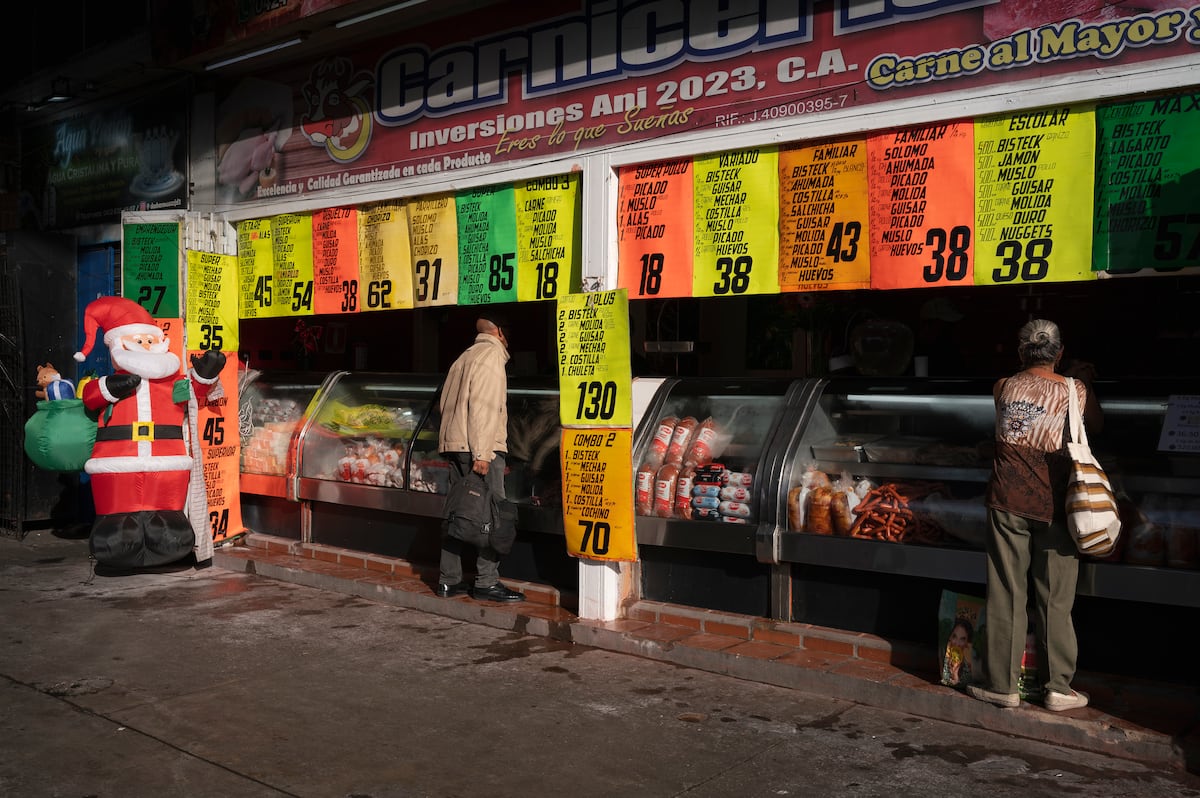
"Everything is very difficult, there's a lot of uncertainty, says Venezuelan taxi driver Jose Luis Ledezma, who works in Caracas. Ledezma has been hit hard by the collapse in trips to Maiquetia airport, his most common route. I used to do six trips a day to the airport. Now, if I do three a week, that's a lot, he explains. I work with people of all ages, from wealthy people to very poor people. I see nervousness."
"I hear stories of families abroad who are sending remittances to people who have nothing here, in case an extreme situation arises. Most people are living day to day, just getting by. I work 24 hours a day; when I finish with the taxi line, I keep working on my own at night to earn more money. The crisis with the United States is making everyday life harder for Venezuelans. The Venezuelan currency is losing value at an accelerating pace."
Venezuelans are experiencing daily economic strain, with taxi incomes collapsing and many living day to day. Remittances from abroad are reaching families with little resources as precautionary support. Long work hours are common as individuals seek additional earnings. The bolivar is rapidly losing value amid political uncertainty, with the official exchange rate at 270 bolivares per dollar and a parallel rate near 480, creating a 70% gap. The bolivar depreciated 80% in 2025. The Venezuelan Finance Observatory estimates consumer price inflation could reach 590% year-on-year by year end. Short-term growth may exceed five percentage points in 2025, but currency distortions and U.S. tensions raise hyperinflation risks and leave 2026 growth outlook bleak.
Read at english.elpais.com
Unable to calculate read time
Collection
[
|
...
]