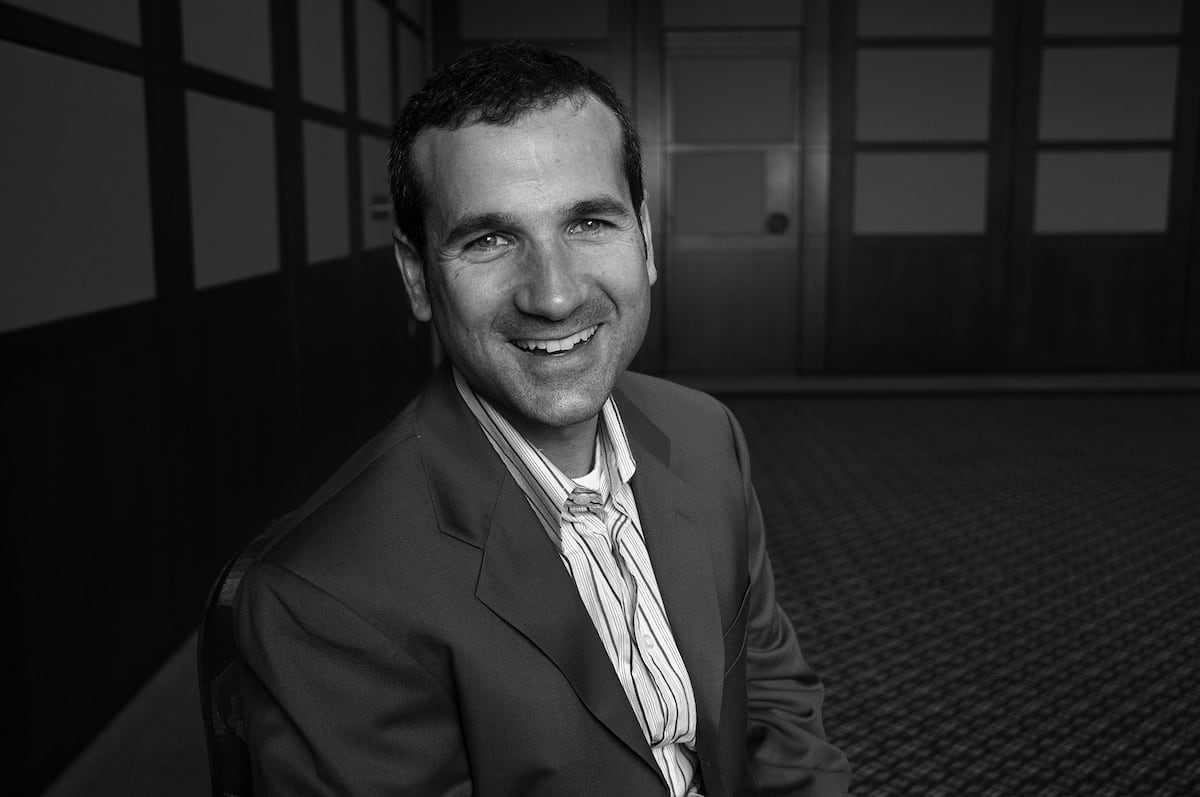
"Few are better equipped to do so than Javier Corrales (born in Puerto Rico 59 years ago to Cuban parents in exile), who has been studying the DNA of the Bolivarian Revolution for more than two decades. In 2006, he published the now-canonical article Hugo Boss in Foreign Policy, in which he identified the key characteristics of Hugo Chavez as a singular and effective autocrat."
"In his book Dragon in the Tropics, co-authored with Michael Penfold, he laid out how oil was both Chavismo's greatest strength and its main vulnerability. Today, once again, oil appears as the decisive factor in the country's direction, to the point of aligning at least tactically interim president Delcy Rodriguez, Maduro's successor, with Donald Trump, the regime's historical enemy. Meanwhile, Maria Corina Machado, the opposition leader, is looking for ways to influence a game from which she has been publicly sidelined."
Nicolas Maduro's removal by U.S. Delta Force altered Venezuela's power map and forced rapid strategic recalculation. Javier Corrales, born in Puerto Rico to Cuban exiles, has studied Chavismo for decades and identified Hugo Chávez's autocratic traits and the logic of gradual autocratization. Corrales and Michael Penfold showed that oil functioned as Chavismo's main strength and its central vulnerability. Oil again shapes political alignments, producing a tactical convergence between interim president Delcy Rodriguez and Donald Trump despite historical enmity. Opposition leader Maria Corina Machado has been publicly sidelined while Trump admires her but favors Rodriguez's obedience. Venezuelan sovereignty and democratic hopes are now tied to U.S. decisions and domestic political turbulence.
Read at english.elpais.com
Unable to calculate read time
Collection
[
|
...
]