"The narrow waterway south of Iran is one of the world's most important trade arteries, through which a fifth of global oil and seaborne gas is shipped from production facilities and refineries in the Gulf to buyers around the world. The strait carries just over 20m barrels of oil a day, making it the busiest oil route after the strait of Malacca between Malaysia and Indonesia."
"Unlike the Malacca corridor which carries roughly 23.2m barrels a day to buyers in China, Japan and South Korea the Hormuz strait is far more difficult to circumvent, making it the biggest chokepoint in the global energy system. The waterway lies below Iran and above Oman to the south, tapering to just 21 miles wide at its narrowest point."
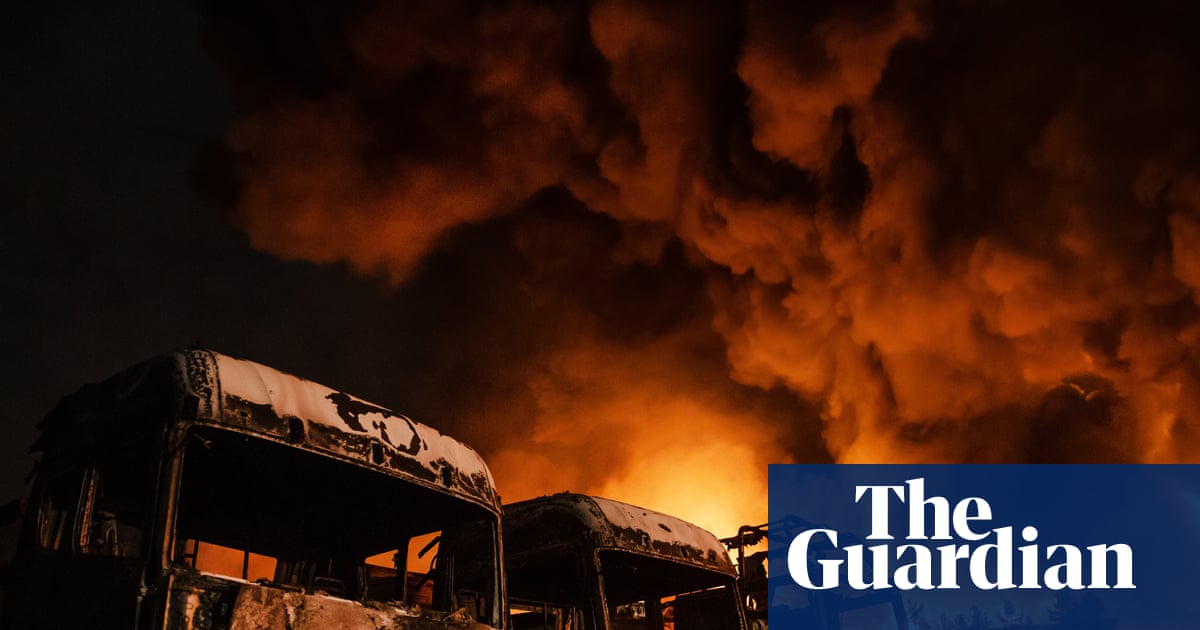
"Iran has weaponised its geography in retaliation to US-Israeli strikes. Hundreds of tankers hoping to cross the strait have come to a halt after the Islamic Revolutionary Guards Corps threatened to set ablaze any vessel using the trade route, effectively deterring all but the most reckless."
The Strait of Hormuz, a critical 21-mile-wide waterway between Iran and Oman, handles over 20 million barrels of oil daily and one-fifth of global seaborne oil and gas. This narrow passage is the world's most important energy chokepoint, more difficult to bypass than alternatives like the Strait of Malacca. Recent US-Israeli military actions against Iran have triggered Iranian threats to attack tankers using the route, causing hundreds of vessels to halt transit. While Gulf producers have built bypass pipelines, these carry only a fraction of regional export capacity. The disruption has caused historic oil price volatility and compounded supply concerns amid strikes on regional energy infrastructure.
#strait-of-hormuz #oil-market-disruption #iran-us-israel-conflict #energy-supply-chain #geopolitical-risk
Read at www.theguardian.com
Unable to calculate read time
Collection
[
|
...
]