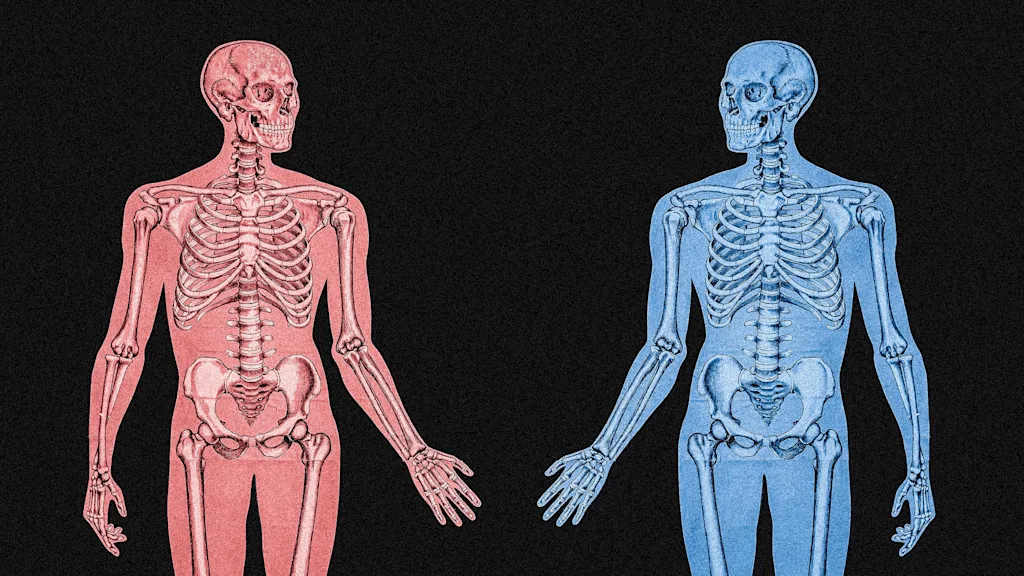
"For decades, work was designed around a fiction, that of the 'neutral' worker, an abstract individual assumed to be fully available, consistent, rational, and unaffected by bodily constraints. But this neutrality was never real."
"Hormonal cycles, pregnancy, postpartum recovery, menopause, and andropause are not 'private' issues without professional consequences. They affect energy levels, cognitive load, availability, and sometimes long-term career trajectories."
"Women experience higher rates of musculoskeletal disorders, partly because they are overrepresented in repetitive jobs and are more likely to carry a disproportionate share of unpaid caregiving and domestic labor."
Recent years have seen the inclusion of topics like menstruation, menopause, and andropause in workplace discussions, indicating a shift in understanding work dynamics. Historically, workplaces were designed around a 'neutral' worker, often male, ignoring the realities of bodily constraints. This oversight has significant implications for energy levels, cognitive load, and career trajectories. Gendered health issues reveal structural flaws in work environments, as women face higher rates of disorders due to their roles in repetitive jobs and unpaid caregiving responsibilities.
Read at Fast Company
Unable to calculate read time
Collection
[
|
...
]