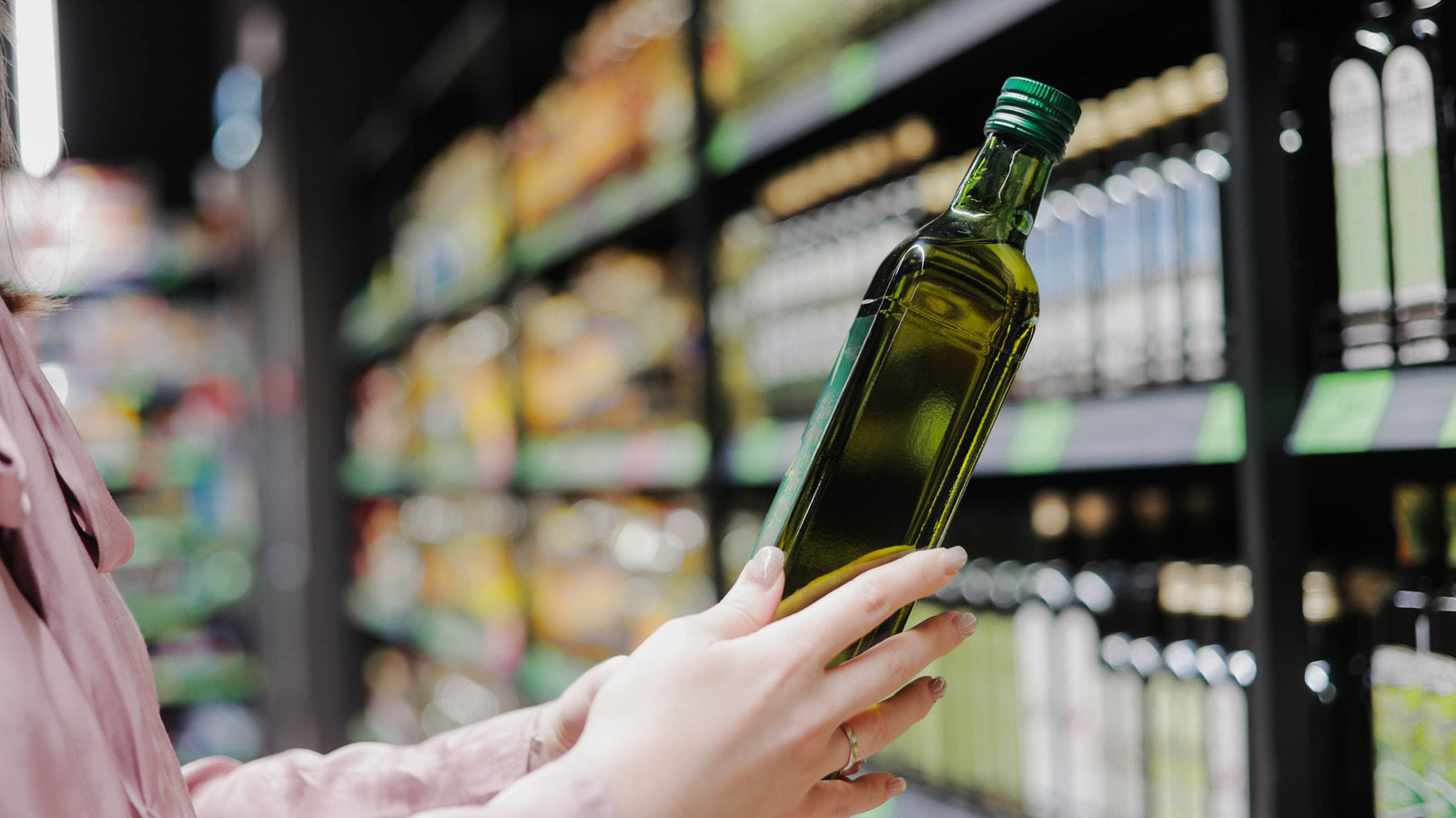
Extra virgin olive oil is produced by pressing olives without heat or solvents to preserve flavor and aroma. Producing regions apply chemical standards to determine whether oil qualifies as extra virgin; oils failing those requirements are sold as virgin, olive, or refined olive oil. In the U.S., USDA requirements include maximum free acidity of 0.8% and sensory defects absent based on expert tasting panels. California requires stricter maximum acidity of 0.5% and mandates displaying the harvest date. Official certification is voluntary, and USDA guidelines rely on brands for “truth in labeling.” Testing has found inconsistent compliance, with one study reporting 60% failing in 2015 and another reporting 11% failing in 2024.
"Extra virgin olive oil is the result of pressing the olives without heat or solvents, ensuring that the flavors and aroma of the fruit are not degraded in any way."
"For U.S.-certified extra virgin olive oil, the USDA requires that the olive oil have a maximum free acidity of 0.8% and that the taste and aroma are free from any sensory defects, as determined by a panel of tasting experts."
"The issue is that although the standards are high, obtaining official certification is entirely voluntary. The USDA sets the guidelines for what constitutes extra virgin olive oil, but does not enforce them directly, instead relying on brands to adhere to what they call “truth in labeling.”"
"An independent test done in 2015 found that 60% of supermarket oils tested didn't live up to the standards for extra virgin olive oil, though a more recent study done in 2024 found that just 11% of tested oils fell short."
Read at Tasting Table
Unable to calculate read time
Collection
[
|
...
]