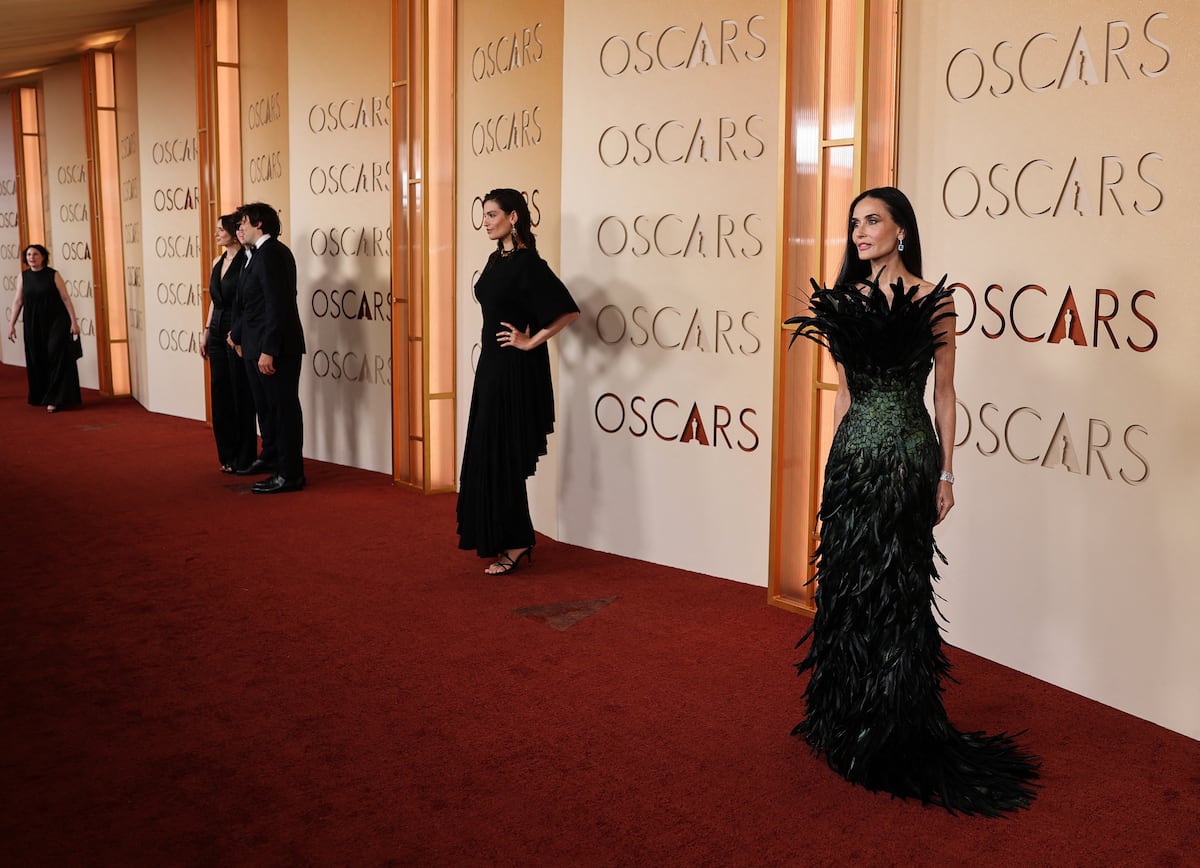
"Every red carpet, every event, every time I open Instagram, there they are, thinner than last week (...), thinner and thinner, as if there were a competition that no one names, but everyone's playing."
"It's the return of thinness as capital. It's not aesthetic, it's political. And the most perverse thing is that it comes disguised as health, as well-being."
"Extreme thinness is making a comeback, and it's being disguised as health, warns the nutritionist Azahara Nieto emphatically."
"The heroin chic of the nineties was explicitly aesthetic, even transgressive. Today it's more sophisticated: it's presented as well-being, discipline, or body optimization."
Chloe Wallace criticized the resurgence of extreme thinness as a beauty standard, likening it to the 1990s heroin chic. She noted that this trend is now masked as health and well-being, with societal pressures amplified by social media. Nutritionist Azahara Nieto echoed these concerns, highlighting the shift from body neutrality to a focus on extreme thinness, which is now legitimized through health rhetoric and medical interventions. The phenomenon is characterized by a competition for thinness that is pervasive yet unspoken.
Read at english.elpais.com
Unable to calculate read time
Collection
[
|
...
]