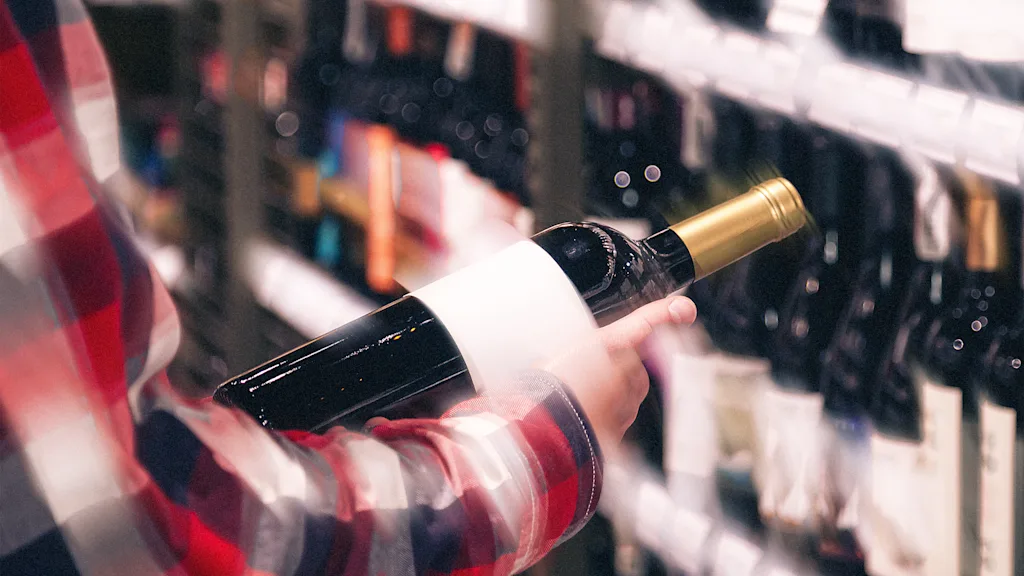
"Last December, I was standing in front of a wall of bottles, paralyzed. Not because I don't like wine. I do. I was paralyzed because the entire experience was designed to make me feel small. The sommelier energy, the gatekeeping language, the implied message that if I couldn't name the terroir, I didn't deserve a good bottle. So I did what I always did: grabbed the same safe choice, went home, and told myself I'd "branch out next time.""
"But here's the founder insight I missed: I wasn't actually going to branch out. The friction was too high. The stakes felt too real. So I'd repeat the same ritual, the same bottle, the same outcome, because at least it was safe. This is exactly how most people approach their end-of-year and New Year rituals. They feel obligatory. Performative. Exhausting. You're supposed to reflect deeply, set 10 ambitious goals, create a vision board, establish a meditation practice. It all sounds great in theory."
A focus on removing friction reveals why simple decisions feel hard and why rituals often fail. Experiences that signal exclusion or high stakes push people toward safe, repetitive choices rather than experimentation. Many end-of-year and New Year rituals become performative because they are designed for an idealized version of a person instead of the person who must carry them out. Effective rituals reduce friction and align with real desires and habits. A practical approach begins by auditing current rituals for performance versus authenticity and keeping or redesigning the commitments that people will actually maintain.
Read at Fast Company
Unable to calculate read time
Collection
[
|
...
]