"Kantar's codebase was legacy old. The kind of technical debt that isn't a line item on a sprint board but a structural reality that shapes every decision the company makes. Rebuilding the architecture to support what I'd designed would have cost more than the organization was willing to invest, regardless of the Barilla deal sitting on the table."
"The system just couldn't hold both conversations at the same time - where the product should go and what the product could do today. Innovation lost, not because it was rejected, but because it was absorbed. Made compatible with existing constraints until it was no longer recognizable."
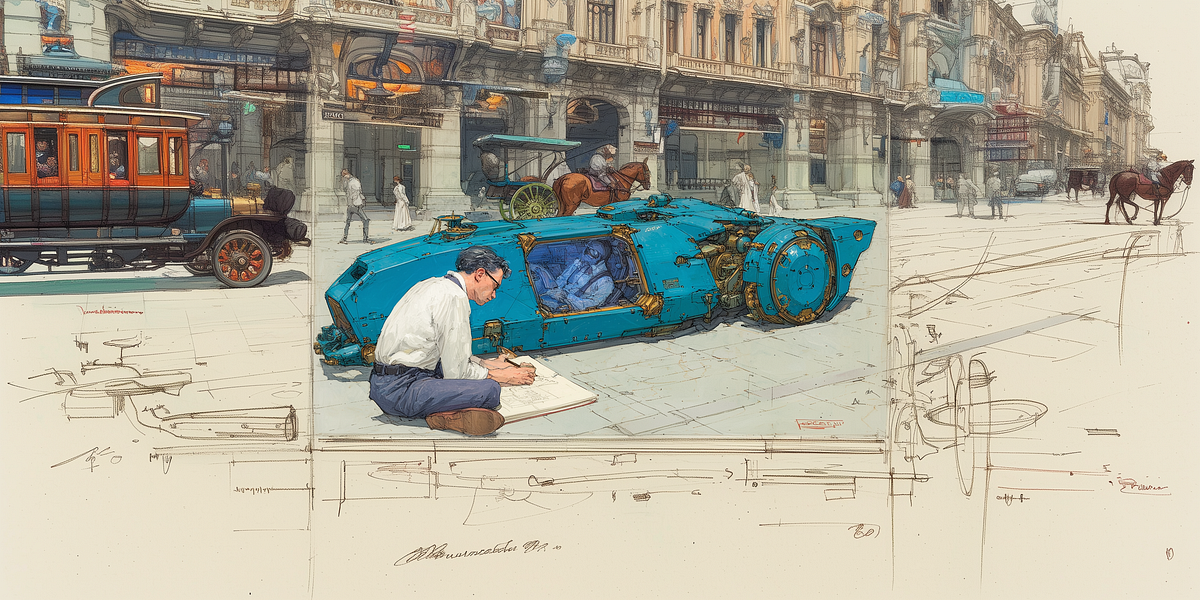
"The designer who builds concept cars eventually realizes the garage only fits horse carriages - and starts looking for a different garage. The organization keeps running. The deal gets delivered in some form. But the next concept car never gets built - because the person who would have built it is gone."
A designer secured a major deal with Barilla based on innovative tablet-first product concepts, but the organization's legacy codebase couldn't support the envisioned architecture. Rather than invest in rebuilding the foundation, leadership compromised by forcing the modern design onto existing desktop systems, diluting the vision into barely functional features. While each stakeholder made rational decisions, the system couldn't accommodate both innovation and current constraints simultaneously. The designer eventually departed, representing a hidden organizational cost: the loss of talented innovators who recognize their ideas cannot be realized within structural limitations. This pattern repeats as organizations prioritize compatibility with existing systems over enabling breakthrough thinking.
#technical-debt #organizational-innovation #legacy-systems #talent-retention #product-vision-vs-reality
Read at Medium
Unable to calculate read time
Collection
[
|
...
]