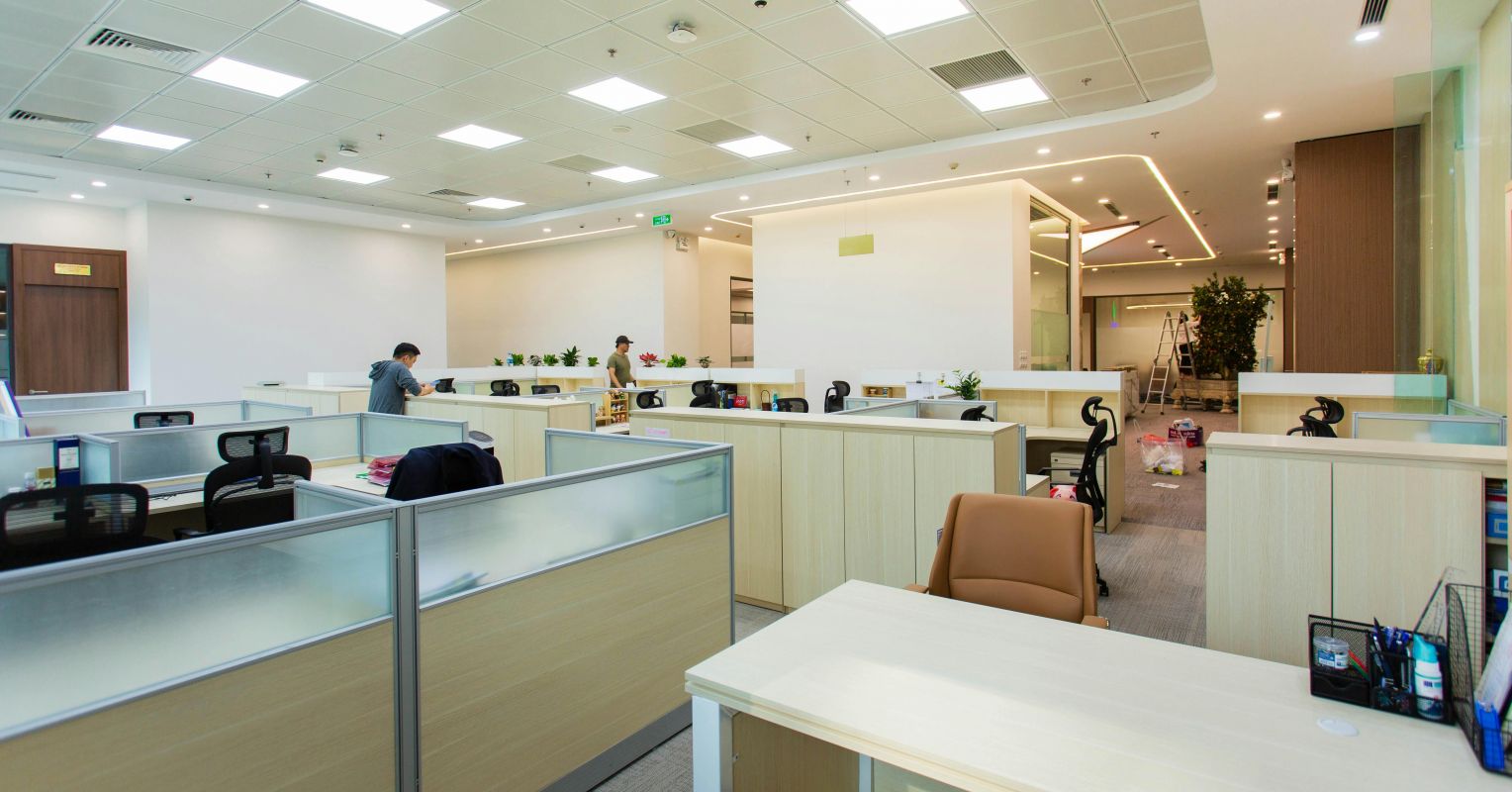
"Open-plan offices assume a nervous system that can filter noise and maintain focus amid constant movement without crashing, and that it's reasonable to spend cognitive energy on managing the sensory environment that could otherwise be spent on the actual work."
"Back-to-back meetings assume a brain that does not get deeply involved with one topic, and that breadth is more important than depth."
"None of these assumptions are natural laws. They are design choices. And for decades, they were made for a fictional average person who does not actually exist, based on assumptions that don't actually work."
Workplace design choices reflect assumptions about individuals that are rarely scrutinized. Open offices and back-to-back meetings can overwhelm many nervous systems. Designing for the average person fails to accommodate diverse needs. Neurodivergent employees benefit from environments that consider their unique requirements, leading to improved outcomes for everyone. The concept of the 'average person' is flawed, as historical data shows that no one fits this average. Adjusting workplace design can create a more inclusive and effective environment for all employees.
Read at Psychology Today
Unable to calculate read time
Collection
[
|
...
]