"Experts warned that the time would come when we, as a public, would no longer be able to tell what's real and what's not. We would be fed snippets meant to inflame our anger and disgust. There would be candidate sex tapes and footage of crimes committed by racial minorities and leaked audio files with politicians saying horrible things-all fabrications. We would live in a swirl of anguished mass confusion."
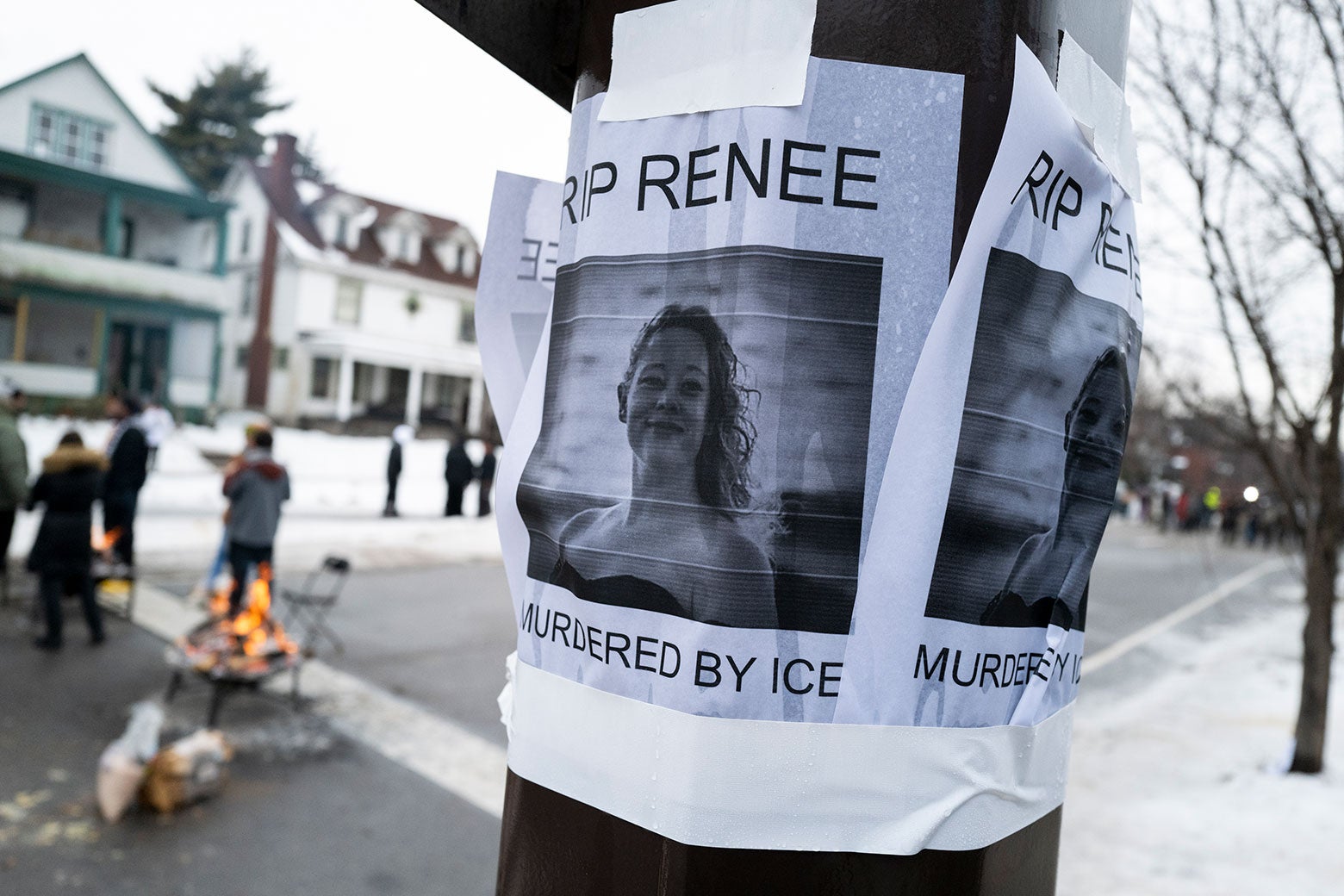
"On Wednesday, when an Immigration and Customs Enforcement agent shot and killed a woman in her car in Minneapolis, the casual and disproportionate violence seemed indisputable: no angle showed Renee Good, the driver, gunning for the ICE agent. The most charitable defense of the agent was that he was jumpy and reacted out of fear when the car started moving near his foot; it was harder to defend him shooting at the window after Good had already cleared him."
A decade ago people feared technological deepfakes would fracture shared reality, producing fabricated videos and leaked audio that would inflame anger and confusion. Those technological fears have arrived, but partisan loyalties alone can destroy shared reality without fabricated media. Partisan and commercial actors can declare misleading narratives and insist on false interpretations to defend institutional actors. In a Minneapolis case an ICE agent shot and killed Renee Good; video angles did not show her attacking, yet defenders claimed she tried to kill the agent. Officials labeled the incident "domestic terrorism" and the president repeated claims of a violent ramming and self-defense, despite the video suggesting otherwise.
Read at Slate Magazine
Unable to calculate read time
Collection
[
|
...
]