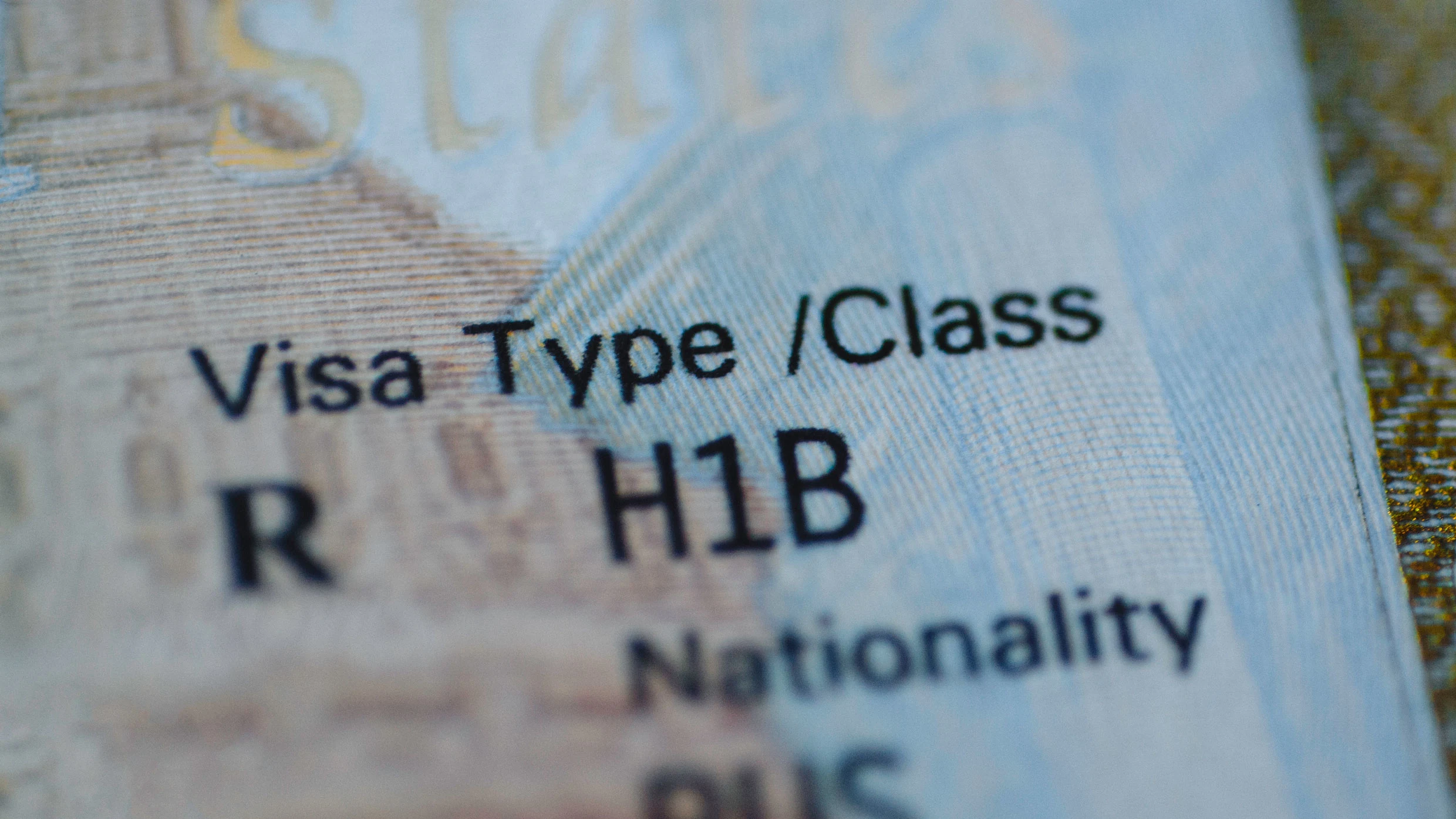
"This fall, President Trump took aim at the H-1B visa, in a move that has been telegraphed for years amid criticism that the program diverts jobs away from American workers. In September, Trump announced that new applications for the work visa would now be subject to a $100,000 fee-a bold attempt to curtail excessive use of the H-1B program. The H-1B program, which was established through the Immigration Act of 1990, has been widely embraced by tech employers to enable hiring skilled talent from abroad, with companies like Amazon and Meta sponsoring thousands of H-1B workers every year."
"While H-1B workers hail from dozens of countries, an outsized portion of them-about 80%-are hired from India and China. But the program has also repeatedly come under fire due to claims that it outsources jobs and undercuts wages by paying foreign workers below market rate. Trump's proclamation has sparked confusion as employers have scrambled to figure out how the fee would reshape their hiring and recruitment plans-and which workers would be subject to it. For the big tech companies that are among the most avid users of the H-1B visa, a $100,000 fee is not a huge price to pay."
""What we're seeing is the $100,000 fee is not just impacting small employers who are like, 'we can't pay that,'" says immigration lawyer Sandra Feist, who works with many people who are seeking an H-1B visa. "No employer that I have spoken with-and that includes very large organizations and large universities-has said it's worth it. This impact is being felt across all sizes of companies and institutions." In fact, the U.S. Chamber of Commerce, a major business lobbying group, has filed a lawsuit challenging the fee, deeming it "unlawful" and "cost-prohibitive" for employers seeking to hire H-1B workers."
President Trump imposed a $100,000 fee on new H-1B visa applications to curb perceived excessive use of the program. The H-1B program, created by the Immigration Act of 1990, enables U.S. tech employers to hire skilled foreign workers, with companies like Amazon and Meta sponsoring thousands annually. Approximately 80% of H-1B hires come from India and China. Critics claim the program outsources jobs and depresses wages by allowing lower pay for foreign workers. Employers face confusion about how the fee will affect hiring and which workers are subject to it. Large tech firms can often absorb the cost, while smaller or infrequent users find it prohibitive, prompting a lawsuit from the U.S. Chamber of Commerce.
Read at Fast Company
Unable to calculate read time
Collection
[
|
...
]