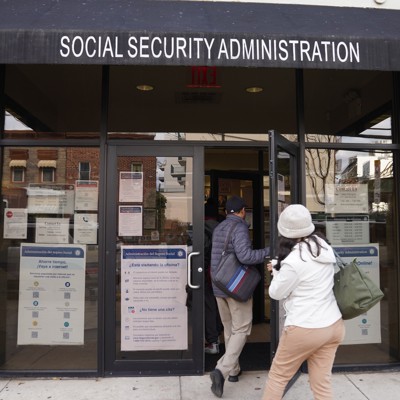
"The Social Security Administration wants to halve the number of people that go to its field offices in the 2026 fiscal year. More than 31 million people visited SSA field offices over the last fiscal year. Now, the agency aims to have 50% fewer visits - or no more than 15 million total - in fiscal 2026, which began in October, according to internal planning documents viewed by Nextgov/FCW."
"Under Social Security Commissioner Frank Bisignano, the agency is aiming to push people to interact with Social Security online instead of going to a field office or calling the agency, although Bisignano told lawmakers in June that, even with his focus on technology, the agency is not "getting rid of field offices," despite reports of planned closures. The strategy is to offer more online self-service options, like letting people view their claims status or access a digital social security number online."
"This plan to move people online comes as staffing in Social Security field offices is down by nearly 2,000 people, according to the AARP. In July, the agency moved 1,000 field office workers off their roles to answer its national phone line, squeezing staffing even more. A Social Security spokesperson told Nextgov/FCW that the agency is shifting its strategy and goals "to match our customers' evolving service preferences" with "national scale, improved workflows, and modern technology.""
The Social Security Administration plans to cut field office visits by 50% for fiscal 2026, targeting no more than 15 million visits after more than 31 million last year. Commissioner Frank Bisignano is directing a shift toward online self-service so claimants can view claim status or access a digital Social Security number while stating field offices will not be eliminated. Field office staffing has declined by nearly 2,000 employees, and the agency reassigned 1,000 field workers in July to handle the national phone line, increasing staffing pressures. Advocates warn that in-person options remain essential for people with mental or technological barriers.
Read at Nextgov.com
Unable to calculate read time
Collection
[
|
...
]