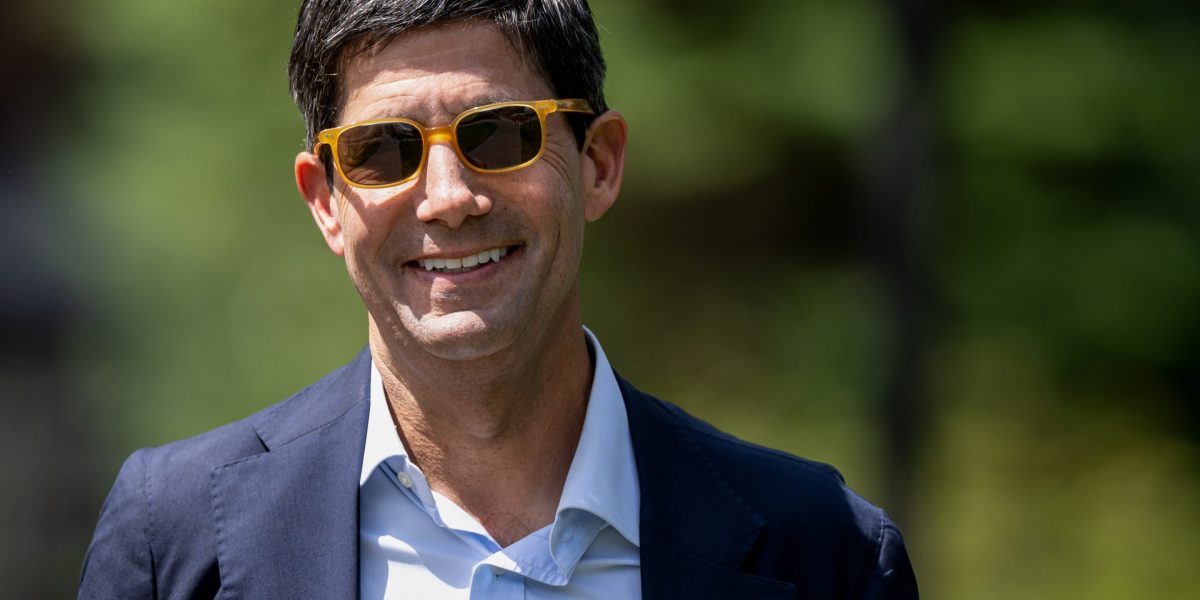
"Jerome Powell has been a friendly neighbourhood Fed Chairman to the White House, despite the criticism and insults President Trump has levelled against him. That's because while Powell may not have yielded to pressure from the White House to lower the base rate, the Fed, under his direction, has dutifully continued to buy Treasury debt. The central bank, as a lender to the federal government, gives Powell visibility over the nation's fiscal trajectory, as well as the fact that government borrowing impacts the Fed's mandate."
"That said, Powell has never stood in the way of government spending: The Fed's balance sheet, since the Great Financial Crisis of 2008, has ballooned. Currently, it is running at 24.6% of GDP. Historically, it has sat between 10% and 20%. Fed nominee Kevin Warsh wants to change that: He believes the Fed should run a smaller balance sheet, reducing the distortions it causes in markets as a result."
Jerome Powell has continued large-scale Treasury purchases while resisting pressure to lower the base rate. The Fed's balance sheet expanded since the 2008 crisis and now equals about 24.6% of GDP, above historical 10–20% levels. The United States holds about $38.5 trillion in national debt accumulated across administrations, which affects the Fed's mandate and visibility into fiscal trajectory. Nominee Kevin Warsh advocates a smaller Fed balance sheet to reduce market distortions. Shrinking the balance sheet would require selling government bonds, increasing market supply, pushing up yields and raising Treasury borrowing costs, a politically sensitive outcome.
Read at Fortune
Unable to calculate read time
Collection
[
|
...
]