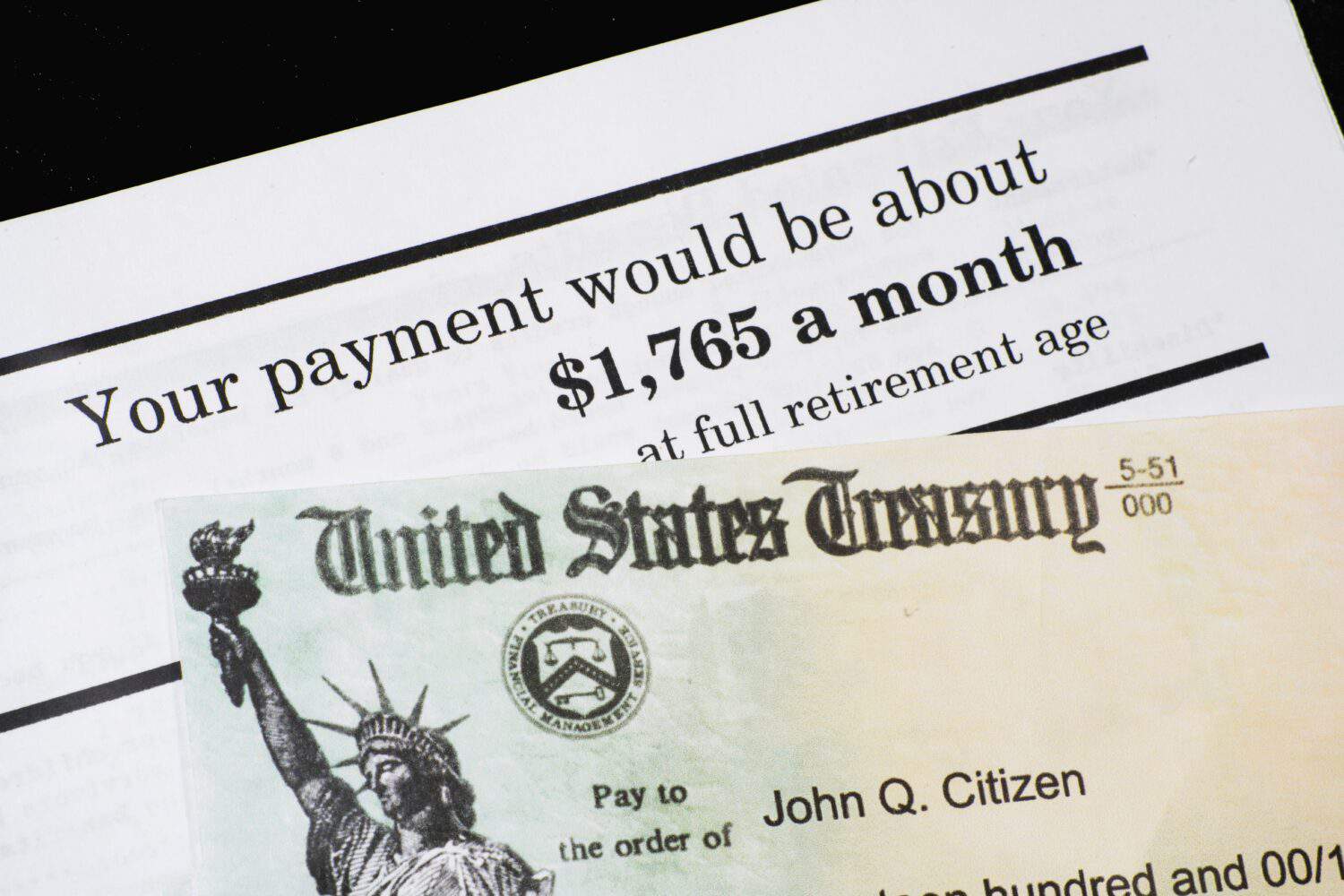
"Full retirement age is the age when you are entitled to your standard Social Security benefit if you request that the Social Security Administration start your checks at that time. You must claim your benefits exactly at your full retirement age if you want your standard benefit. If you claim even a single month before, then the benefit is reduced. If you wait even a single month beyond your FRA, then your benefit starts increasing."
"Traditionally, full retirement age was 65 for every worker, so anyone who qualified for benefits could claim them at that age. But Social Security was facing financial trouble in the past, so that changed. In the 1980s, lawmakers passed a bill that reformed several aspects of Social Security, including gradually shifting the full retirement age later. That shift has been underway for a long time, and it is resulting in a big change to FRA in 2026."
Full retirement age (FRA) is the age at which a worker is entitled to the standard Social Security benefit; claiming even a single month before FRA reduces the benefit, while waiting a single month beyond FRA increases it. Lawmakers enacted reforms in the 1980s that gradually raised FRA. That gradual shift culminates in 2026, when FRA moves later for the last time. Workers born in 1960 or later will have an FRA of 67. Individuals who have not reached FRA by the end of 2025 will face the new, later FRA in 2026. Changes to FRA influence optimal claiming decisions and lifetime retirement income.
Read at 24/7 Wall St.
Unable to calculate read time
Collection
[
|
...
]