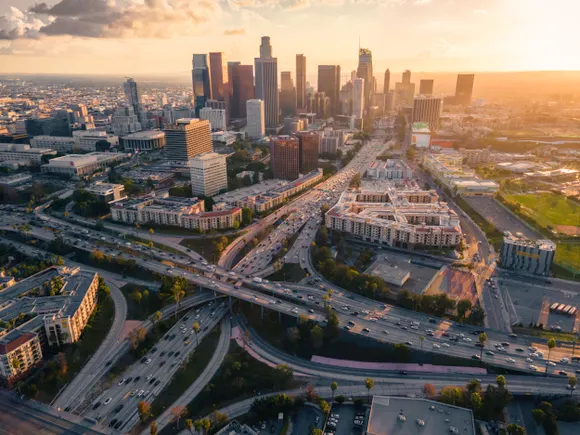
"Traffic congestion increased globally last year, but the location technology company rates the United States as the least congested country among 54 studied for the report. Cities face an ever-growing number of vehicles on the road, along with e-commerce delivery vehicles, flexible work patterns and more frequent extreme weather events, "adding unprecedented stress" to U.S. transportation systems, according to TomTom."
"" New policies are reshaping traffic patterns in major cities; work-from-home norms continue to stretch and redistribute the traditional rush hour, and climate-driven disasters are increasingly testing the reliability of road networks," the report states. Traffic planners now have access to real-time traffic data alongside traditional measures, such as loop detectors and spot traffic counts, to manage roadways more effectively, according to TomTom. U.S. cities and states all handle traffic congestion differently, the report found, reflecting differences in their geography and infrastructure."
Los Angeles, Honolulu, San Francisco and New York City recorded the highest congestion levels in 2025. Traffic congestion rose globally last year, while the United States ranked as the least congested country among 54 studied. Cities face more vehicles, growing e-commerce delivery fleets, changing work patterns and more frequent extreme weather events, adding unprecedented stress to transportation systems. Commuting patterns have shifted as new policies and work-from-home norms stretch and redistribute traditional rush hours. Traffic planners increasingly use real-time data alongside loop detectors and spot counts to manage roadways. New York City implemented congestion pricing, which has improved traffic flow on bridges and tunnels and boosted transit ridership.
Read at Smart Cities Dive
Unable to calculate read time
Collection
[
|
...
]