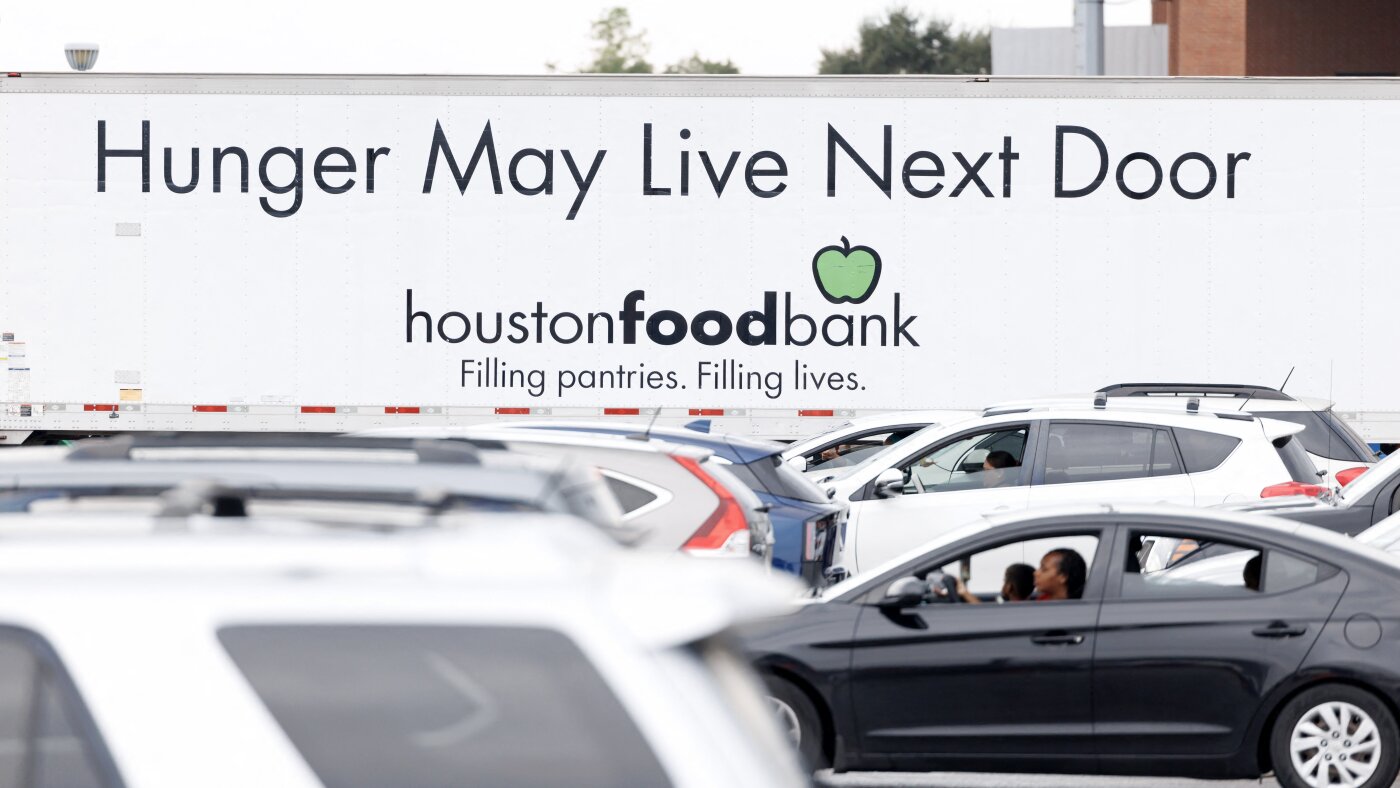
A Federal Reserve Bank of New York survey reports higher food insecurity in 2024 than during the summer of 2020. Nationwide, 10% of families reported missing meals due to lack of food, and nearly 16% relied on food donations. Among families earning under $50,000, nearly 20% reported skipping meals or going without. Food banks report increased demand, including families and children waiting in long lines before distributions and sleeping in cars. In Central Alabama, a food bank is expanding capacity to serve more counties. Rising costs such as gas, food, car repairs, and medical bills reduce money available for groceries. The pattern reflects a widening divide between households with resources and those without.
"A survey released Wednesday by the Federal Reserve Bank of New York found higher levels of food insecurity this year than during the summer of 2020, when the coronavirus outbreak sparked double-digit unemployment. The New York Fed periodically asks Americans if they're having to skip meals, rely on food donations or receiving federal assistance to buy groceries. Replies from the most recent survey in February show hunger is a more pervasive problem now than at any time in the last six years."
"The New York Fed survey from February found that nationwide, 10% of families reported missing meals for lack of food, and nearly 16% relied on food donations. Among families earning less than $50,000 a year, rates of food insecurity were about twice as high, with nearly 20% forced to skip meals or go without."
"“We have some distributions where people are sitting in a two- to three-mile line the night before a distribution starts,” Breitmann says. “They're sleeping in their cars.” The New York Fed survey from February found that nationwide, 10% of families reported missing meals for lack of food, and nearly 16% relied on food donations."
"“Food insecurity could be your next door neighbor,” says Nicole Williams, CEO of the food bank. “When gas cost a little bit more or food costs a little bit more, or they have a repair on their car or a medical bill, that takes away what they might be using to spend on food.”"
Read at www.npr.org
Unable to calculate read time
Collection
[
|
...
]