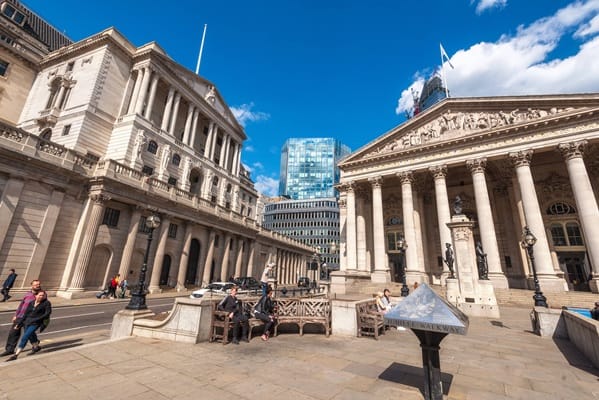
"Inflation in the UK dropped to 3.2% in November, providing a clear indication that the intense price pressures of the recent inflationary cycle are continuing to ease, and making it almost certain that the Bank of England will cut interest rates when the Monetary Policy Committee meets tomorrow. The decline reflects softer goods inflation, stabilising energy costs and slowing food prices, even as services inflation remains the key area to watch."
"With the UK currently holding the highest interest rates in the G7, it's crucial for British exports that this begins to reduce. High interest rates strengthen Sterling against other currencies, increasing the price of British exports, and a global environment of trade protectionism only serves to compound this. To make British exports competitive in international markets and boost UK trade, lower interest rates is imperative."
"For businesses, today's figure represents a meaningful step toward a more predictable operating environment. Although still above the Bank of England's 2% target, year-on-year inflation is now at its lowest since March. This signals that the worst of the cost surge has passed, allowing companies to plan with greater confidence and reduced pricing volatility. With wage growth cooling since February, domestic cost pressures are moderating - a trend that should help anchor inflation further over the coming year."
Inflation in the UK fell to 3.2% in November, signaling easing of recent intense price pressures and making a Bank of England rate cut highly likely. The decline reflects softer goods inflation, stabilising energy costs and slowing food prices, while services inflation remains the main risk. With the UK holding the highest interest rates in the G7, high rates have strengthened Sterling and raised export prices, worsening competitiveness amid global protectionism. The lower inflation reading gives businesses greater predictability and reduced pricing volatility. Wage growth has cooled since February, moderating domestic cost pressures. If disinflation continues, inflation should stabilize in 2026, supporting real wages, consumer sentiment and delayed investment.
Read at London Business News | Londonlovesbusiness.com
Unable to calculate read time
Collection
[
|
...
]