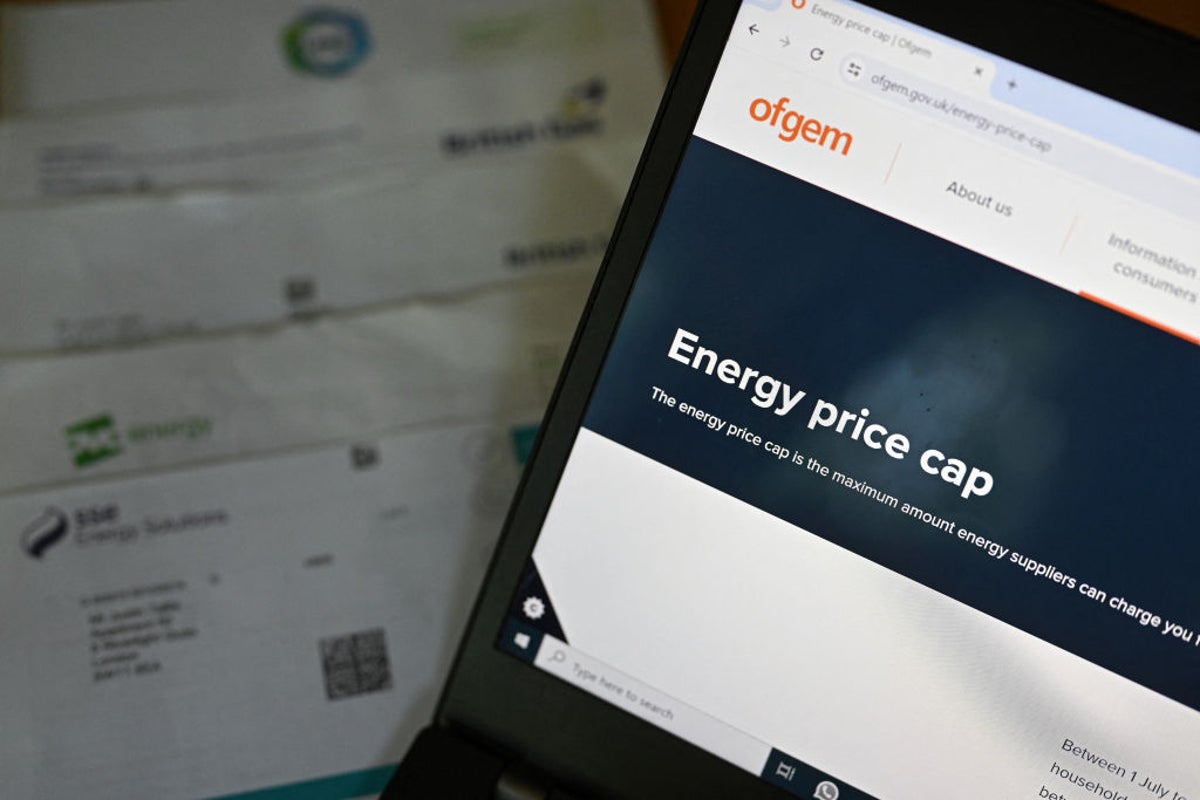
"The good news, in the short term, at least, is that the price most households pay for gas and electricity will fall by 6.7 per cent on average from April 1, when new Energy Price Cap rates are imposed by the regulator Ofgem. Someone on a typical energy bill should see their annual bill down by around 117 if they are on standard variable tariffs, which over 60 per cent of homes are."
"But the conflict in the Middle East has experts worried that, in the medium and longer terms, energy bills will spike. Oil and gas supplies are at risk as shipping routes for energy are at the centre of the areas of conflict. Markets are nervous. The Office for Budget Responsibility (OBR) has warned of very significant impacts on the global and UK economy."
The Independent maintains ground-level reporting across critical issues including reproductive rights, climate change, and technology regulation. The publication operates without paywalls, believing quality journalism should be accessible to all. Currently, UK consumers face mixed energy news: household bills will drop 6.7% on average from April 1 under new Ofgem price caps, saving typical households approximately £117 annually. However, escalating Middle East conflict threatens energy security. Disrupted shipping routes for oil and gas supplies create market uncertainty. The Office for Budget Responsibility warns of significant economic impacts globally and domestically. While short-term relief is expected, medium and long-term energy price spikes remain a serious concern for UK households.
Read at www.independent.co.uk
Unable to calculate read time
Collection
[
|
...
]