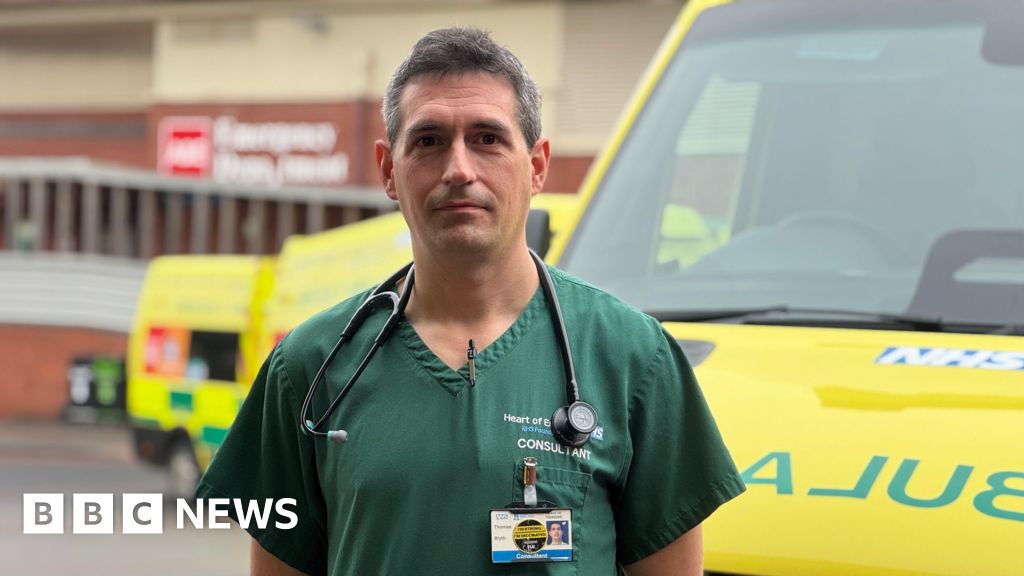
Knife-amnesty disposal bins are being installed outside hospitals in Birmingham and Sutton Coldfield to allow safe removal of blades. A disposal bin is already operational at Heartlands Hospital, with additional bins due at the Queen Elizabeth Hospital and Good Hope. Knives have been found hidden in toilets, next to a public footpath, and handed over just before an MRI scan, creating safety risks for patients and staff. The bins aim to give individuals an opportunity to disarm, reduce knives in circulation, lower staff anxiety, and decrease the risk of knife crime. Children's emergency departments provide interventions to discuss impacts with young people involved.
""People do attend the hospital carrying knives and they can sometimes be a victim of knife crime themselves," Tom Blyth, emergency medicine consultant at Heartlands Hospital, said. "This offers a good opportunity for reflection, and the bin offers a chance for that person to disarm themselves and remove a knife from circulation and from the streets. "That reduces our anxiety, it reduces the risk of knife crime so we're welcoming the incentive.""
""It's quite worrying that we have young people carrying knives and that are prepared to use those knives. "One of the key interventions we do in the children's emergency department is try and talk to those victims and perpetrators about the impact this would have on their lives moving forward. "And if we can have one simply intervention to talk to them about it, for them to reflect on their actions, then that's one less knife or one less victim on the s"
Read at www.bbc.com
Unable to calculate read time
Collection
[
|
...
]