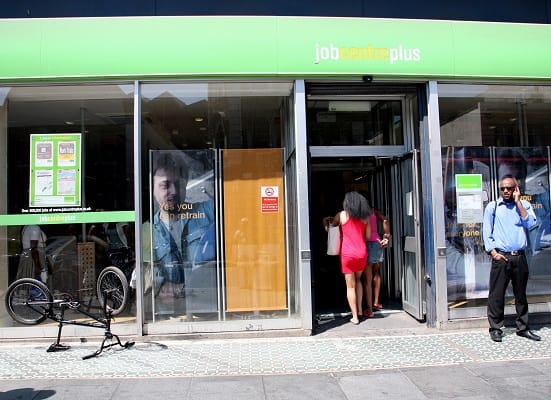
"Official figures showed the unemployment rate rose unexpectedly to 5pc in the three months to March, while vacancies slumped to their lowest level in five years as businesses in the struggling retail and hospitality sectors pulled back from recruitment."
"The ONS said the number of workers on UK payrolls fell by 100,000 in April to 30.2 million - the steepest monthly decline since the opening weeks of the Covid pandemic in 2020, although the figures remain provisional. Vacancies also dropped by 28,000 over the quarter to 705,000, the weakest level since 2021, with some of the sharpest falls concentrated in shops, bars, restaurants and hotels."
"Liz McKeown, the ONS director of economic statistics, said the figures pointed to a labour market that "remains soft", adding that lower-paid sectors were experiencing some of the biggest declines in both vacancies and payroll employment. Retail and hospitality businesses blamed "economic and geopolitical uncertainty" for freezing recruitment plans, according to the statistics agency, as firms grapple with weaker consumer confidence, rising operating costs and concerns over the wider economic outlook."
"Youth unemployment has been hit particularly hard. The rate among 16 to 24-year-olds surged to 16.2pc in the three months to March - the highest level since 2015 - reflecting the heavy concentration of younger workers in retail and hospitality jobs. The figures are likely to intensify pressure on Chancellor Rachel Reeves ahead of an expected package of measures designed to support househo"
The unemployment rate rose unexpectedly to 5% in the three months to March, while vacancies fell to the lowest level in five years. Vacancies dropped by 28,000 over the quarter to 705,000, with the sharpest declines in shops, bars, restaurants, and hotels. UK payrolls fell by 100,000 in April to 30.2 million, the steepest monthly decline since early 2020, though the figures are provisional. The labour market is described as “soft,” with lower-paid sectors seeing the biggest declines in both vacancies and payroll employment. Retail and hospitality firms froze recruitment due to economic and geopolitical uncertainty, weaker consumer confidence, rising operating costs, and concerns about the wider outlook. Youth unemployment rose to 16.2% for ages 16 to 24, the highest since 2015.
Read at London Business News | Londonlovesbusiness.com
Unable to calculate read time
Collection
[
|
...
]