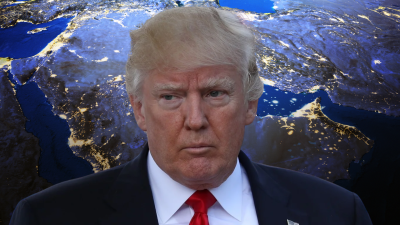
Semiconductors have become geopolitical bargaining chips as export controls and trade diplomacy shift access to advanced technology. A U.S. presidential trip to China included agreements that allowed Nvidia to sell H200 AI chips to 10 Chinese companies, reviving a potential route to a market that previously contributed about 20% to 25% of data center-related sales. Export restrictions under multiple U.S. administrations had reduced access to advanced AI chips. Despite the announcement, Chinese regulators reportedly tightened scrutiny on Nvidia GPUs, limiting practical market recovery. China also continues efforts to reduce reliance on U.S. technology suppliers, especially for AI-related capabilities, which may favor alternatives such as AMD.
"Trump traveled to China with a delegation of U.S. executives as part of a broader push to revive business ties between the world's two largest economies. At the conclusion of the visit, multiple agreements were announced, including a deal allowing Nvidia to sell its H200 AI chips to 10 Chinese companies. That mattered because China was once one of Nvidia's most important growth markets. China previously accounted for roughly 20% to 25% of data center-related sales before export restrictions imposed under both the Biden and Trump administrations narrowed access to advanced AI chips."
"The H200 agreement briefly suggested Nvidia might regain part of that lost business. And given Nvidia's dominance in AI accelerators, it made sense why the announcement dominated headlines. After all, Nvidia still controls an estimated 80% to 90% share of the AI GPU market. The market impact seemed straightforward: reopening sales channels could translate into renewed demand for Nvidia’s most advanced chips in China’s data centers."
"That said, Beijing's response afterward told a different story. Reports indicate Chinese regulators quickly moved to place Nvidia's GPUs under tighter government scrutiny, raising questions about how much practical market access the company will actually regain. China has increasingly emphasized reducing reliance on U.S. technology suppliers, particularly in areas tied to AI and related infrastructure. This shift suggests that even when deals are announced, implementation and oversight can determine real commercial outcomes."
Read at 24/7 Wall St.
Unable to calculate read time
Collection
[
|
...
]