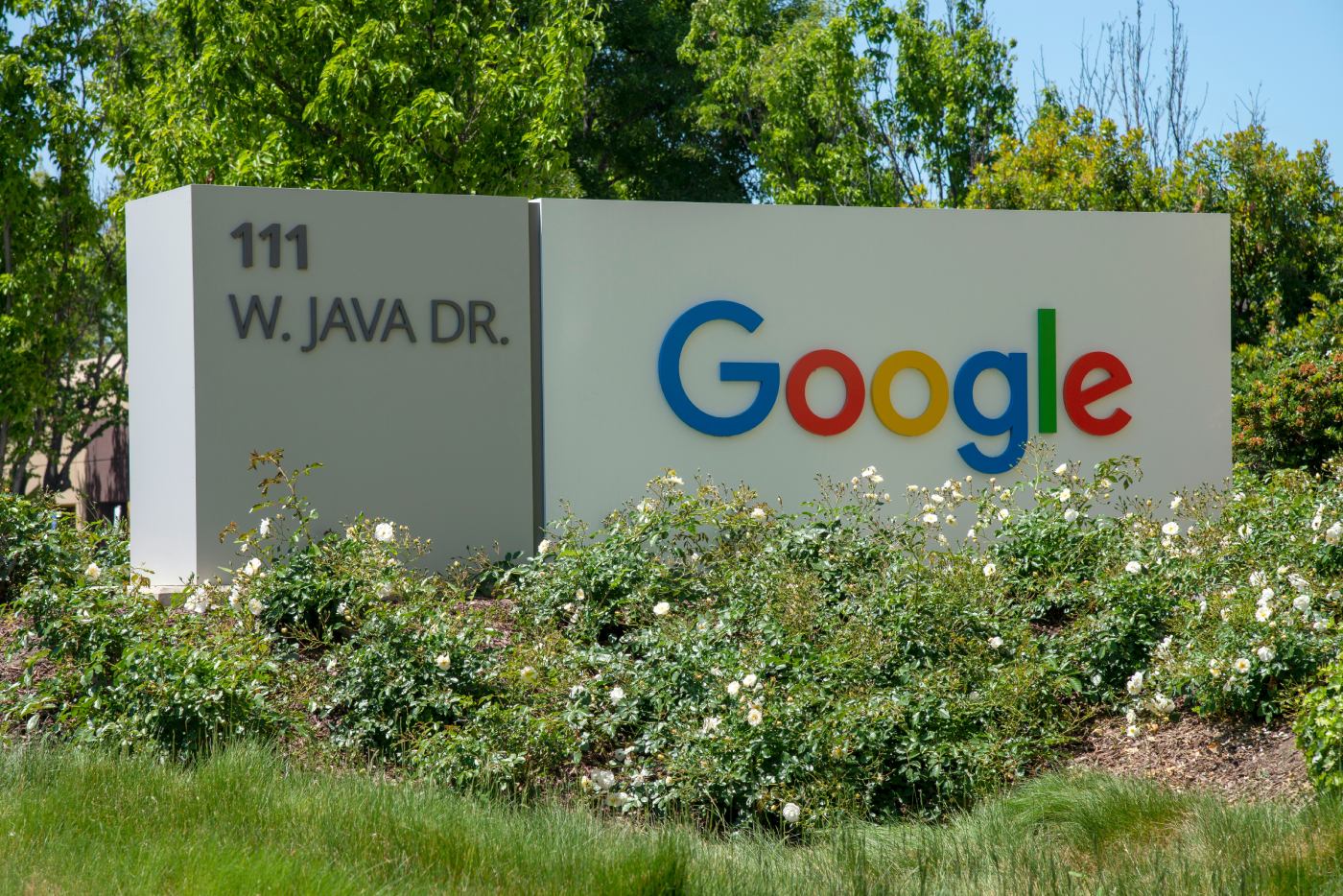
"Google sidestepped the toughest penalties in a landmark antitrust clash, retaining control of Chrome and Android. In a court ruling, Judge Amit P. Mehta barred the search giant from exclusive search deals, ordered limited data sharing with rivals, and restricted its app store tie-ins. The decision comes after the Justice Department's landmark monopoly case against Google. Judge Mehta rejected the Justice Department's call for drastic remedies, declining to force a divestiture or unwind Google's multibillion-dollar default search arrangement with Apple's Safari browser."
"He pointed instead to the rise of generative AI, arguing that new technologies are already reshaping competition and cautioning against imposing remedies that could "jolt the system." The court also set a six-year requirement for Google to open parts of its search index to rivals, while leaving its closely guarded advertising data untouched. Google pushed back against the court's requirements, saying the new limits could do more harm than good. In a statement, Lee-Anne Mulholland, the company's vice president for regulatory affairs, warned that mandatory data-sharing "will impact our users and their privacy," and confirmed the decision is under review."
Judge Amit P. Mehta barred exclusive search deals, imposed limited data-sharing obligations, and restricted app-store tie-ins while rejecting calls to force divestiture or unwind Google’s Safari default arrangement. The court cited the rise of generative AI as reshaping competition and cautioned against remedies that could "jolt the system." A six-year requirement will open parts of Google’s search index to rivals, but advertising data remains protected. Google warned that mandated data-sharing could harm users and privacy, argued consumers already have ample choice, and said forced breakups of Chrome or Android would have hurt consumers and partners.
Read at TechRepublic
Unable to calculate read time
Collection
[
|
...
]