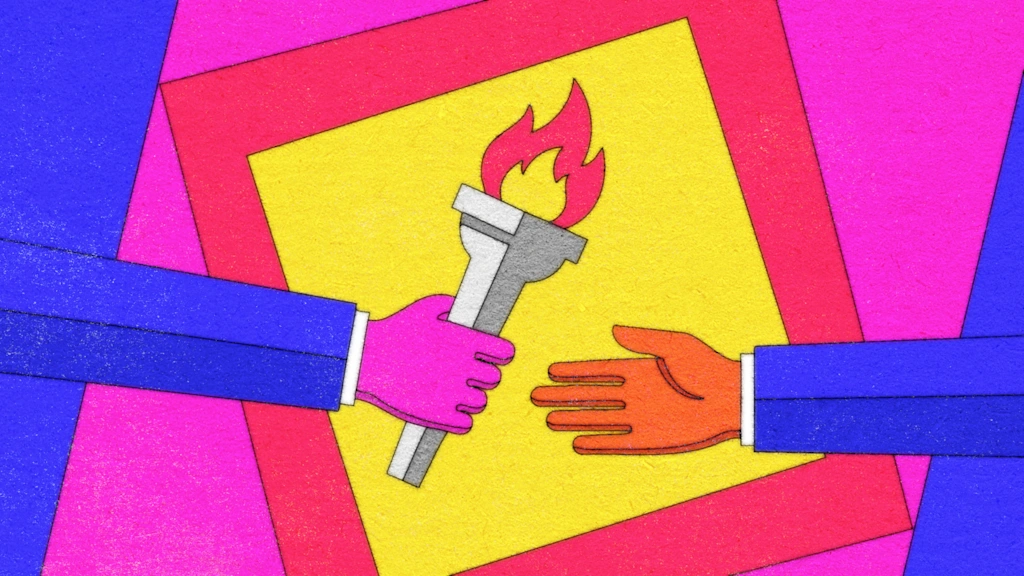
As companies grow, founder-led decision-making can create bottlenecks, hindering autonomy and leadership development. A founder's instinct to remain deeply involved may limit the organization's evolution. After a decade of success, the realization emerged that the business required a different leadership approach. Letting go of the CEO position was a strategic decision to facilitate growth. Many founders struggle with this transition, often equating it with failure, but recognizing the need for change is crucial for the company's future.
"As companies scale, what once made them successful-founder-led decision-making, strong creative direction, tight control-can start to create bottlenecks. Teams can't become truly autonomous, leadership layers struggle to emerge and the organization remains tied to the founder's perspective instead of evolving beyond it."
"The realization was simple, but difficult to act on: the business didn't need more of me. It needed a different me. Letting go of the CEO position became a deliberate decision to give the company room to grow and to focus on its future."
"Stepping back as a founder is often equated with failure. It's easy to think of high-profile examples like Groupon's founder Andrew Mason or WeWork's Adam Neumann, where founders were forced out after their leadership became detrimental to the business."
#founder-leadership #business-growth #organizational-change #scaling-companies #leadership-transition
Read at Fast Company
Unable to calculate read time
Collection
[
|
...
]