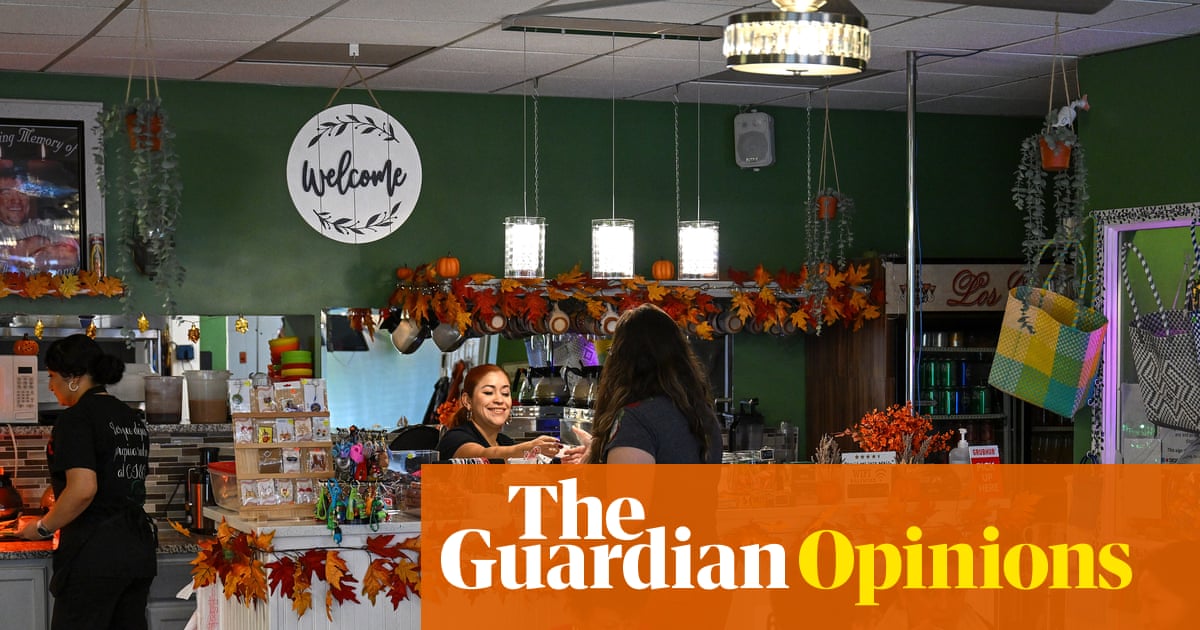
"I have had countless bad experiences at small businesses. I have eaten cold pasta and seen mice scurry behind a table. I don't go back. Sometimes, when the experience is particularly great, I'll give a quick good review on Google. But when I have had a bad experience? Never. Ever. I'm not even sure what would provoke me into stopping what I'm doing, taking the time out of my day, logging on to a social site,"
"A viral Reddit post mocks a $22 grilled cheese sandwich and helps to sink a Bay Area shop. A restaurant owner is forced to push back on a viral complaint. A small business owner in Maine faces a viral backlash after posting a No ICE sign. The owner of a furniture store mistakenly receives backlash after being confused with another store. An influencer calls out a South Carolina boutique in a TikTok video after a negative shopping experience."
"And so what if the owner is protesting ICE or voted for Trump? If you don't want to patronize the business, then don't. Telling other people not to is the other worse sort of patronizing. Running a small business is hard. Employees don't show up, customers don't pay, suppliers don't deliver, things go wrong. Trashing a small business is easy."
Viral social-media posts have triggered serious consequences for small businesses, from mocking a $22 grilled cheese to sinking a Bay Area shop and prompting owners to respond. Several owners have faced backlash over perceived political stances or mistaken identity, and influencers have amplified negative shopping experiences. Many people avoid posting negative reviews and advise others not to trash businesses online because outsiders lack context. Employees call out sick, suppliers fail, and owners may face personal crises that explain isolated problems. Publicly urging boycotts often feels patronizing and rarely produces constructive change. Online arguments generate interaction but seldom resolve underlying issues.
Read at www.theguardian.com
Unable to calculate read time
Collection
[
|
...
]