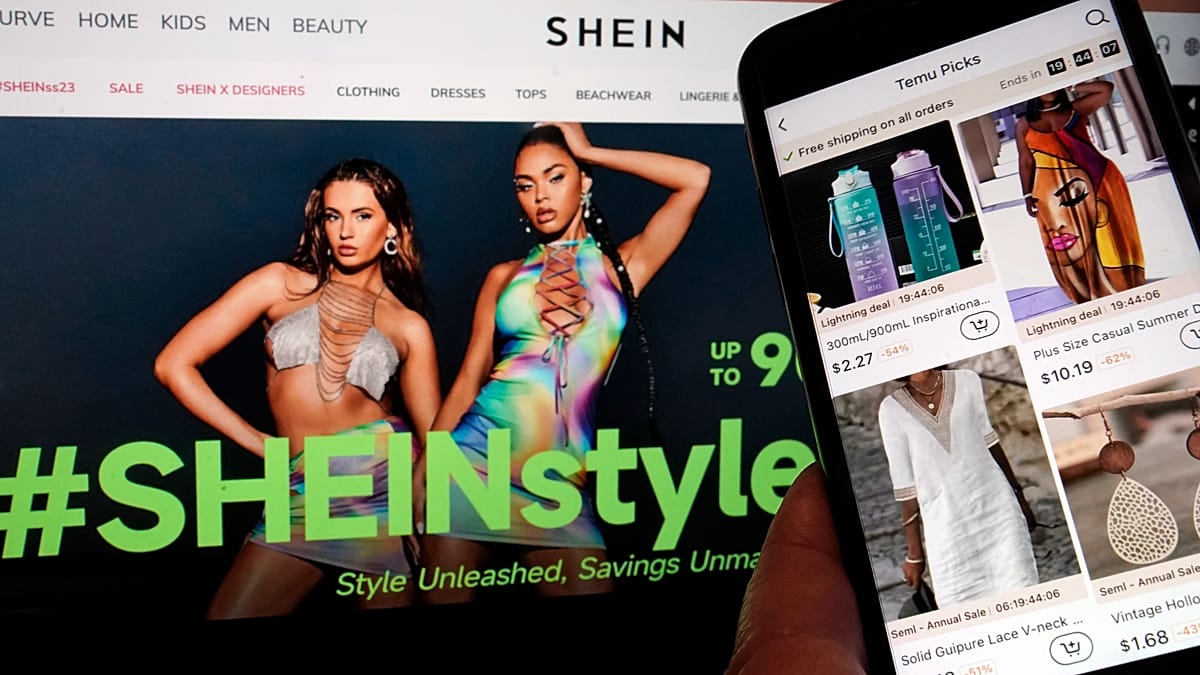
"You might have spotted some of these practices on Instagram or Tiktok. Influencers unpacking and trying on clothing from platforms such as Shein or Temu to showcase how much can be purchased with little money, others showing cheap imitations of clothing or accessories from fast-fashion brands. These marketing practices are respectively known as "hauls" or "try-on hauls" and "dupe" videos. Influencer marketing also promotes unhealthy food advertising."
"In Portugal, McDonald's collaborated with a popular streamer exploring a Minecraft world. In other instances, influencers offer discount codes for fast-food brands, post taste tests and flavour challenges or perform dance challenges and comedy sketches for drinks or snack brands. In a new report, the European Consumer Organisation (BEUC) warns influencer marketing raises issues such as a lack of transparency, undisclosed commercial partnerships and incentives to overconsume."
Influencers use 'hauls', 'try-on hauls' and 'dupe' videos to promote low-cost clothing and frequently advertise unhealthy food through collaborations, discount codes, taste tests, and branded challenges. Influencer partnerships sometimes involve undisclosed commercial relationships, gifted products, or paid promotions that consumers do not recognize. BEUC measured that 67% of monitored posts promoting unhealthy food failed to disclose a partnership. Consumer protection laws can cover undisclosed paid promotions, while EU law lacks comprehensive rules on relationships between influencers, brands, and platforms. BEUC recommends joint liability for influencers, agencies and brands, and proposes banning influencer marketing of risky products to children.
Read at euronews
Unable to calculate read time
Collection
[
|
...
]