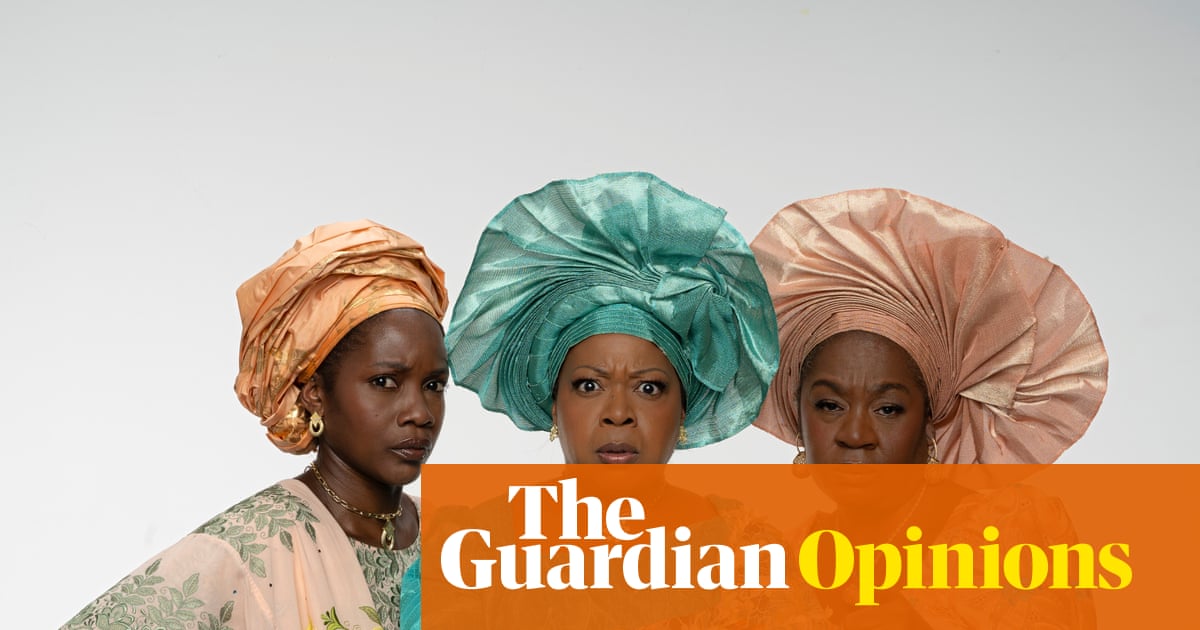
"The tribunal heard that Oppong defended his actions by claiming auntie was, in his Ghanaian culture, a term of respect for older women. But Esteves, 61, had asked him to stop. He did not."
"The dispute is perhaps especially charged because the workplace sharpens the gulf between what is learned behaviour from home and what is appropriate in our shared spaces, such as school or work."
"For many west African, Caribbean and South Asian people, auntie and uncle are, indeed, used as honorifics. In fact, last year DKMS UK launched the campaign Listen to your Aunties! to encourage Black and South Asian communities to join the stem cell donor register."
An employment tribunal ruled in favor of Ilda Esteves, who faced harassment from Charles Oppong for being called 'auntie' despite her request to stop. Oppong claimed the term was respectful in his Ghanaian culture, but Esteves found it inappropriate. The case highlights the clash between cultural norms and workplace appropriateness. While 'auntie' can be an honorific in some cultures, Esteves' discomfort illustrates the need for respect in addressing colleagues. Esteves was awarded £1,425 in compensation for the harassment she experienced.
Read at www.theguardian.com
Unable to calculate read time
Collection
[
|
...
]